Clinic Cleaning Services: Best Practices for Outpatient and Specialty Clinics
Best practices for clinic cleaning services: high-touch priorities, waiting rooms, restrooms, shared equipment boundaries, and checklists. Request a site walk.
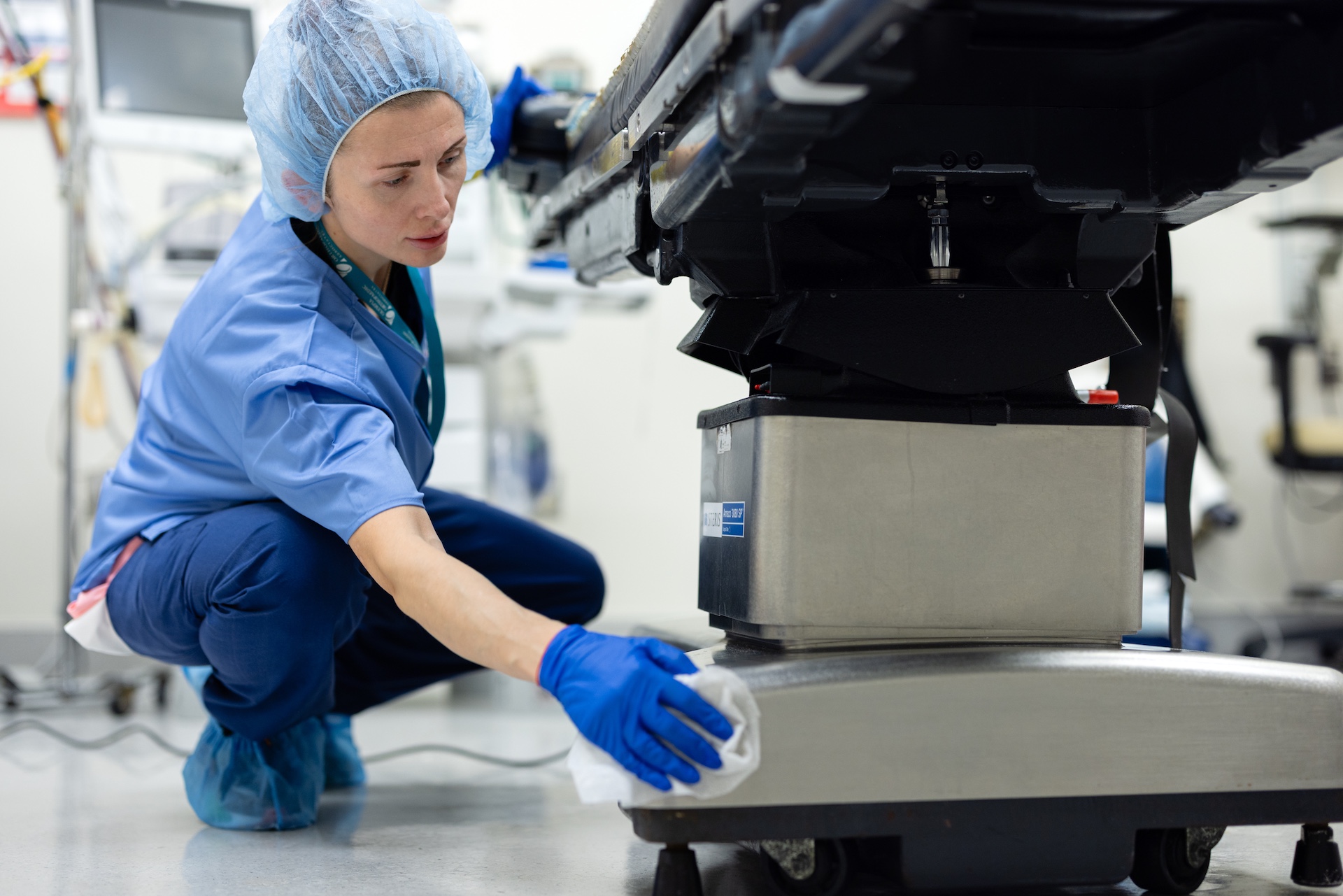
Outpatient clinics run on tight appointment blocks, small teams, and constant motion.
That makes cleaning harder than it looks because the work has to be thorough without getting in the way of care. And when scopes are vague, you end up with the same problems over and over: missed touchpoints, restroom complaints, and “we thought that was included.”
This guide breaks down clinic cleaning services in a way a practice manager can use.
You’ll get best practices, copy and paste starter scopes by clinic type, and simple documentation standards to keep in mind.
Why outpatient clinics need a different cleaning plan
Outpatient cleaning is about managing traffic and turnover, not just checking boxes. A plan that works in a standard office often falls apart the moment a waiting room fills up and providers run late.
Outpatient clinics typically deal with:
- High traffic in small spaces (waiting rooms and restrooms take the most wear)
- More shared touchpoints (clipboards, counters, door hardware, kiosks)
- Shared equipment zones that require clear responsibility (who cleans what, when)
If you want a reliable program, build it around patient flow and responsibility boundaries—not “the nightly clean” as a generic routine.
The outpatient cleaning priorities
If you only focus on one thing, focus on what people touch most. In outpatient settings, “clean” is largely experienced through touchpoints, odors, and visible order.
- High-touch surfaces first (patient-proximity and frequently touched surfaces)
- Restrooms and public zones (odor control plus a replenishment plan)
- Exam and procedure rooms (turnover windows plus end-of-day reset)
- Shared equipment areas (front desk devices, shared carts, touch screens—only if in scope)
This priority list helps you avoid spending time on low-impact tasks while high-impact surfaces get missed. It also makes QA easier because you can inspect the areas that matter most in patient perception and day-to-day risk management.
Waiting rooms and restrooms: the fastest way to improve patient experience
If you want quick wins, start here. These areas get the most eyes, the most traffic, and the most complaints when something slips.
Waiting room
Waiting rooms are where “clean” becomes a reputation issue. Patients decide how safe and professional your clinic feels before they ever reach an exam room.
Best practices to require in scope:
- Spot-clean and disinfect key touchpoints (chair arms, counters, check-in surfaces, door glass and handles)
- Trash removal and liner checks
- Extra floor attention near entrances and high-traffic paths (especially in wet months)
- A simple “reset standard” that staff can recognize at a glance (no debris, no sticky spots, no overflowing bins)
One strong move is defining a short list of “waiting room must-haves” the vendor hits every visit. It creates consistency even when the day runs long and the clinic closes late.
Restrooms
Restrooms are where clinics lose points fast, even when everything else is solid. They need a cleaning plan and a replenishment plan—and those must be assigned clearly.
Best practices to require in scope:
- Fixtures and touchpoints (faucets, flush handles, dispensers, door hardware)
- Floors and corners (especially behind toilets and at baseboards)
- Define replenishment responsibilities: paper products and soap, if included
- Define “day porter triggers” for a midday reset (high traffic, visible soil, odor issues, depleted supplies)
Restrooms don’t need perfection. They need reliability. When the plan is consistent, complaints drop dramatically.
Shared equipment zones: define responsibilities in writing
Shared equipment is where scopes get messy and relationships get strained. A good plan makes ownership obvious so nothing becomes “everyone’s job,” which usually means “no one’s job.”
Start by listing what the cleaning team will touch and what they won’t. Then make it visible in your scope and onboarding checklist so it holds up when staffing changes.
Best practices for shared equipment zones:
- Define “clean around” versus “clean and disinfect” for devices and carts
- If devices or surfaces require manufacturer instructions, require that instructions are accessible and staff are trained to follow them for compatibility and process consistency
- Add a simple rule: if it’s shared and frequently touched, someone owns it—either clinical staff or the cleaning team
This is also where internal coordination matters most. If clinical staff own certain surfaces between patients, the cleaning vendor can still support the program by handling end-of-day resets and keeping shared zones from drifting.
Common scopes by clinic type
These are common starting points, not universal rules. The right scope depends on your clinic layout, patient volume, and what your team can realistically own between patients.
Primary care and family practice
Primary care clinics win when the plan is simple and repeatable. The goal is steady cleanliness across many similar rooms.
Common starting point:
- Daily: waiting areas, restrooms, exam room touchpoints, trash, floors as needed
- Weekly: detail edges and baseboards, interior glass, spot walls and doors, breakroom touchpoints
- Define boundaries: shared devices at front desk, any specialty equipment, and what staff handle between patients
When vendors do well here, it’s usually because they’ve written the “same room, repeated 12 times” playbook and trained to it.
Urgent care
Urgent care is less predictable. You need a scope that handles surges and late-running days without cutting corners on the basics.
Common starting point:
- Higher-frequency focus: waiting room, restrooms, and high-touch resets
- Define a “surge plan” (what gets extra attention when volume spikes)
- Clear turnover boundaries for exam rooms and spill escalation expectations
A surge plan doesn’t have to be complicated. It just needs to exist so the team isn’t improvising when the lobby is full.
Dental
Dental environments often rely on clinical teams for chairside between-patient workflows, with cleaning vendors supporting the environment around those workflows.
Common starting point:
- Vendor scope focuses on non-clinical surfaces, floors, restrooms, public zones, and end-of-day resets
- Clinical staff typically own chairside and certain clinical contact surfaces between patients (define boundaries clearly)
- Extra attention to waiting room touchpoints and restrooms
Dental is a great example of why written boundaries matter. The more clearly you separate clinical tasks from environmental cleaning tasks, the smoother the partnership runs.
Imaging
Imaging suites are high-stakes for compatibility and access. The plan should protect sensitive equipment while still keeping patient-touch surfaces consistent.
Common starting point:
- Define what’s cleaned versus avoided around sensitive equipment
- If any products are approved for specific surfaces, make sure instructions are accessible and followed
- Emphasize touchpoints: door hardware, rails, seating, counters, restrooms, floors
In imaging, “doing less” is sometimes the safer choice—when it’s documented and paired with the right coverage of surrounding touchpoints.
Physical therapy and rehab
These spaces behave more like gyms than traditional clinics. Floors and shared equipment touchpoints are where you’ll win or lose.
Common starting point:
- Strong focus on floors (especially mats and exercise areas)
- Shared equipment touchpoints (handles, adjustment levers, rails) if included in scope
- Restrooms and locker areas if applicable
- Define how the clinic handles wipes during business hours versus end-of-day cleaning
When PT programs feel clean, it’s usually because someone owns the routine touchpoints all day—and the vendor owns the reset that keeps buildup from accumulating.
Specialty clinics
Most specialty clinics look like primary care with a few higher-risk rooms. The key is identifying procedure rooms and higher-frequency touchpoints early.
Common starting point:
- Similar baseline to primary care (waiting, restrooms, exam rooms, staff areas)
- Identify any procedure rooms and define higher-frequency needs
- Define any specialty equipment boundaries
Specialty clinics run best when the scope is “primary care plus these few exceptions,” written clearly so the team doesn’t overreach or under-deliver.
Documentation that keeps things consistent
In outpatient settings, consistency is the whole game. Documentation is how you keep the program stable when staff change, schedules shift, and the clinic gets busy.
If you can produce these quickly, you’re in good shape:
- Room-by-room checklist with frequencies (daily, weekly, monthly)
- Assigned responsibilities for shared equipment (clinical staff versus cleaning team)
- QA checks (walkthroughs, corrective actions, rechecks)
- A prompt spill cleanup procedure for blood or other potentially infectious materials, defined by facility policy
- Access to relevant product and device instructions where applicable, with training expectations for consistent processes
Many healthcare organizations keep manufacturer instructions and standardized checklists readily accessible to support consistent processes and reduce survey-day surprises.
This isn’t about claiming compliance. It’s about creating a program you can manage, inspect, and improve without relying on memory or assumptions.
See our full guide to audit-ready documentation here.
Hiring checklist: questions a clinic can use
Hiring the right clinic cleaning services partner is mostly about clarity. These questions help you see whether a vendor can work inside tight appointment blocks without creating friction.
- Can you provide a written scope by room type and frequency?
- What are your high-touch priorities in an outpatient clinic?
- How do you handle tight appointment blocks or late-running providers?
- How do you define your boundaries around sharps, regulated waste, and spills?
- How do you document completion and QA (logs, walkthroughs, corrective actions)?
- How do you handle shared equipment surfaces, and how do you manage instructions where required?
- Who is our point of contact, and what’s the escalation path for urgent needs?
- What does daytime support look like if we want restroom and waiting room resets?
- What’s your staffing reliability plan (call-outs, backfill, holidays)?
The right vendor won’t just answer these verbally. They’ll show you how they document the plan and how they keep it consistent when people and schedules change.
Conclusion
Outpatient success comes down to clear scope, high-touch focus, and consistent documentation. When responsibilities are defined—especially in shared equipment zones and turnover-sensitive rooms—you reduce complaints without disrupting care. The best plans fit the way your clinic actually runs, including late days and high-volume bursts.
Start with a walkthrough so the scope matches your clinic type, throughput, and layout. Then lock it into checklists and QA so the program stays stable.
FAQ
What do clinic cleaning services include?
Clinic cleaning services typically include a written scope by room type, high-touch surface routines, restrooms and waiting areas, and documented checklists or logs that show what was completed. Many programs also include QA walkthroughs and a clear plan for shared zones and turnover-sensitive spaces.
How often should an outpatient clinic be cleaned?
Most clinics use a daily baseline for restrooms, waiting areas, trash, and high-touch surfaces, then adjust based on traffic and risk. High-touch points may need more frequent attention during busy periods or in high-traffic zones.
What are high-touch surfaces in a clinic?
High-touch surfaces are frequently touched points like door hardware, light switches, counters, chair arms, faucet handles, and dispensers. In outpatient settings, these are usually the fastest way to reduce complaints and improve day-to-day cleanliness.
Can cleaning be done during business hours?
Yes. Many clinics use a day porter model for restrooms, waiting room resets, spills, and trash, while reserving more detailed routines for after-hours. The key is defining no-interruption zones and realistic timing so care stays on schedule.
Do cleaning vendors handle sharps or regulated medical waste?
Boundaries vary and should be defined in writing based on facility policy. Your scope should specify who handles sharps containers and regulated waste, and what the escalation process is if sharps are found or a spill occurs.
Why do clinics need written checklists and logs?
Written checklists and logs create consistency and accountability, especially when staff change or schedules shift. They also make QA easier because you can verify what was cleaned, how often, and who owned the task.
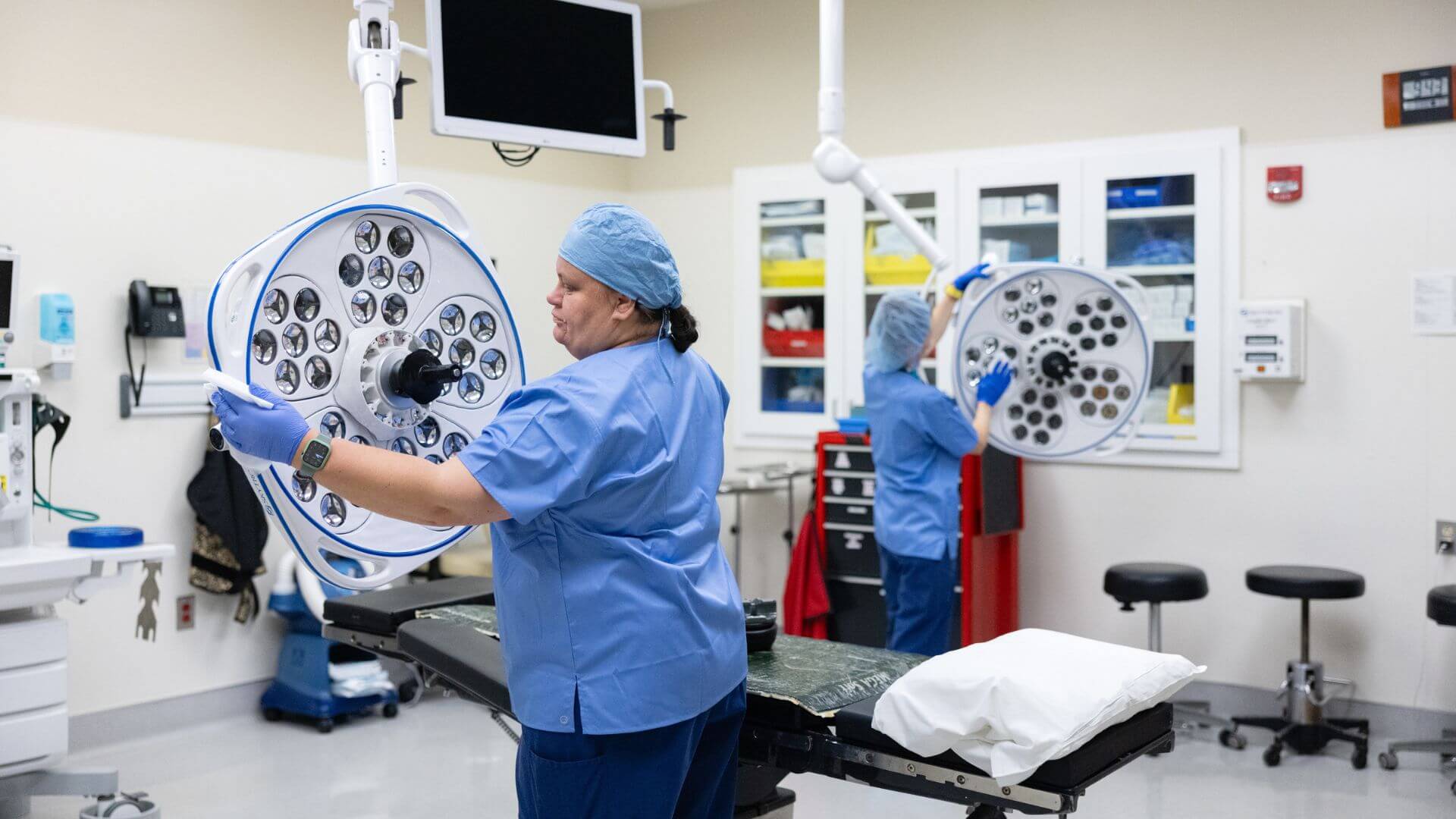
Learn what ambulatory surgery center cleaning should include, how to define responsibilities, and what to require for reliable, audit-ready service.
Read More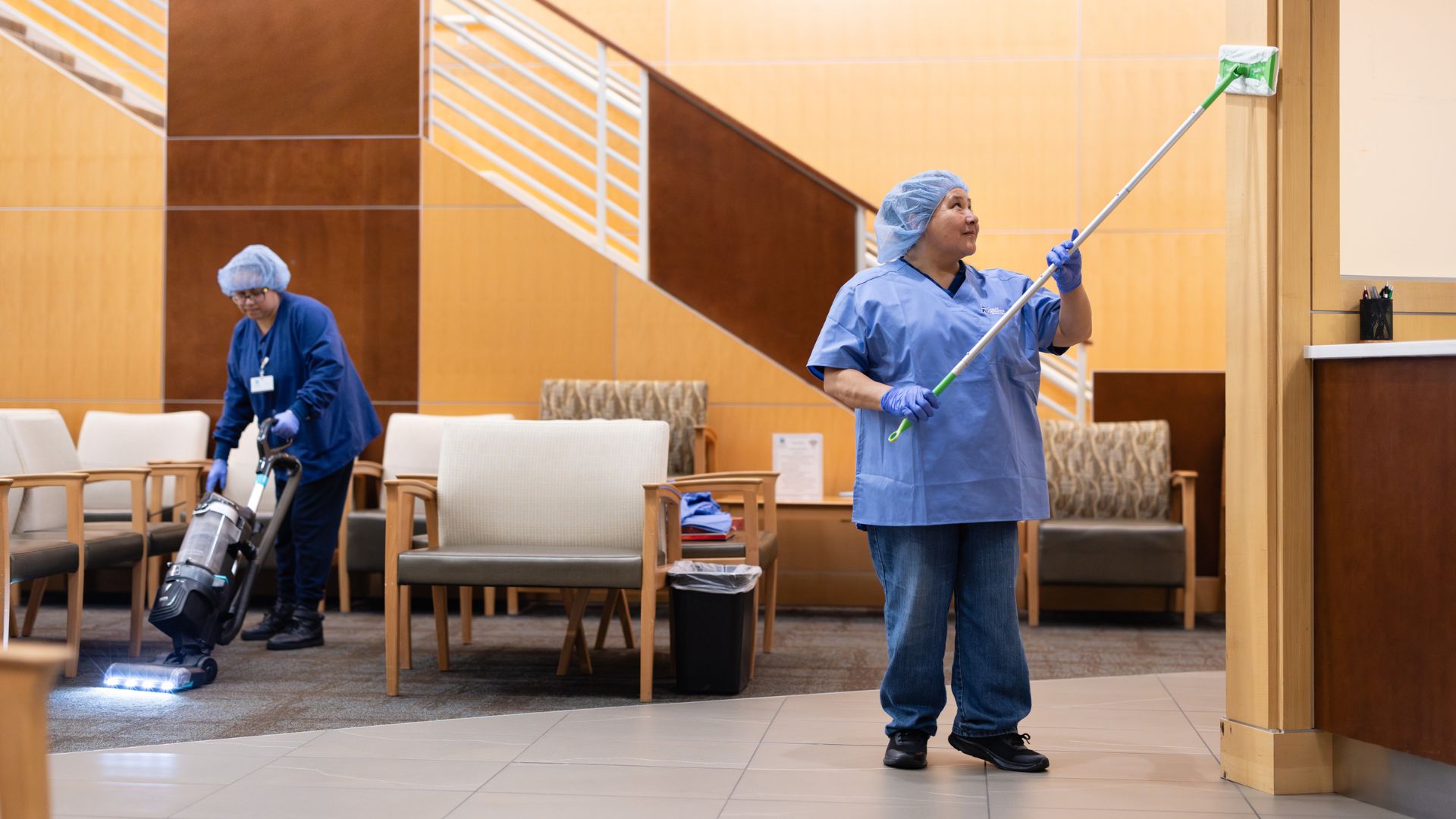
Learn what medical office cleaning costs in the Seattle area, what affects your quote, and how to compare proposals for dependable healthcare cleaning.
Read More
Learn how trained staff, clear protocols, fast response, and documented quality help Seattle healthcare facilities stay clean and ready. Schedule a site walk.
Read More
Looking for commercial cleaning services in Seattle? Learn how a dependable janitorial partner makes your life easier, from daily cleaning to QA and communication.
Read More
Learn what terminal cleaning means in healthcare, when it is needed, what it includes, and what to require from a medical cleaning vendor.
Read More
Learn what audit-ready healthcare cleaning documentation should include, from schedules and SOPs to training records, QA logs, and corrective actions.
Read More
Learn what HIPAA-compliant cleaning really means for medical offices and clinics, including vendor access rules, privacy safeguards, incident protocols, and what to require.
Read More
Hiring medical office cleaning services in Seattle? Use this checklist for scope, high-touch disinfection, turnover handoffs, logs, and QA. Request a site walk.
Read MoreBest practices for clinic cleaning services: high-touch priorities, waiting rooms, restrooms, shared equipment boundaries, and checklists. Request a site walk.
Read More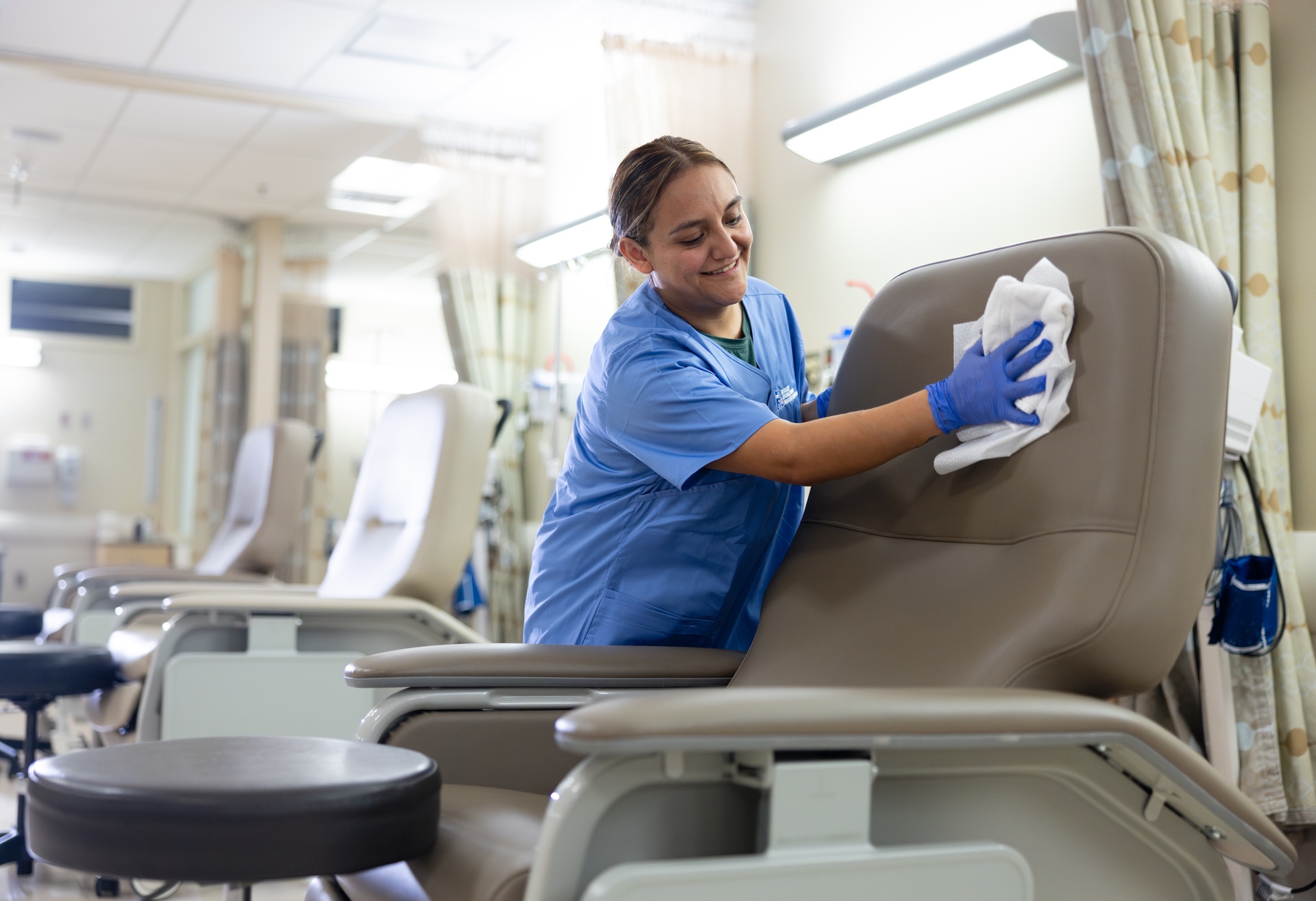
Hospital janitorial services explained: what EVS covers, what to outsource, scope boundaries, and inspection-ready documentation. Request a walkthrough.
Read MoreGet 100%
Dependable
Cleaning
Make the switch to a professional janitorial team that comes through for you every time. No more missed cleans or constant turnover. Schedule a site walk today and make cleaning stress a thing of the past.