Medical Office Cleaning Service: What to Require – Protocols, Documentation, and Frequencies
Hiring medical office cleaning services in Seattle? Use this checklist for scope, high-touch disinfection, turnover handoffs, logs, and QA. Request a site walk.
Medical offices are not “regular offices.”
Patient flow, immunocompromised visitors, and clinical workflows change what “clean” needs to look like, and what your cleaning vendor should (and should not) touch. If you’ve ever had a complaint, an awkward near-miss, or the classic “we thought that was included,” you already know the stakes.
This guide gives you a vendor checklist you can actually use.
Below you’ll find practical protocols, what documentation prevents confusion, and realistic frequencies you can adapt for your space. If you’re hiring medical office cleaning services in Seattle and the Puget Sound area, this will help you compare bids without guessing.
Quick Answer: What to require from a medical office cleaning service
A medical office cleaning service should provide a written scope by room type, high-touch disinfection routines, clear boundaries for sharps and regulated waste handling, and consistent quality checks with inspection-ready logs. Your vendor should also document staff training and follow product and equipment instructions for cleaning and disinfection so processes stay consistent shift to shift.
Medical office cleaning vs. standard office cleaning: what’s different?
Medical office cleaning puts more emphasis on risk-based routines—especially in patient-facing areas and high-touch surfaces—than standard office cleaning does.
The biggest differences are simple (and operational):
- Higher priority on high-touch and patient-zone surfaces
- More coordination with clinical staff on what can be wiped and what must be left to staff per policy and access
- Defined responsibilities so it’s clear who cleans shared devices, and who cleans around them
When you treat it like “just janitorial,” you invite scope gaps. When you treat it like a clinic workflow, you get consistency and fewer surprises.
What a good scope of work includes (by area)
A strong scope of work is written by room type, with clear frequencies and boundaries. That’s what keeps your front desk from becoming a gray area and your exam rooms from becoming a liability.
Use this as a practical baseline—then require your vendor to define it in writing for your layout:
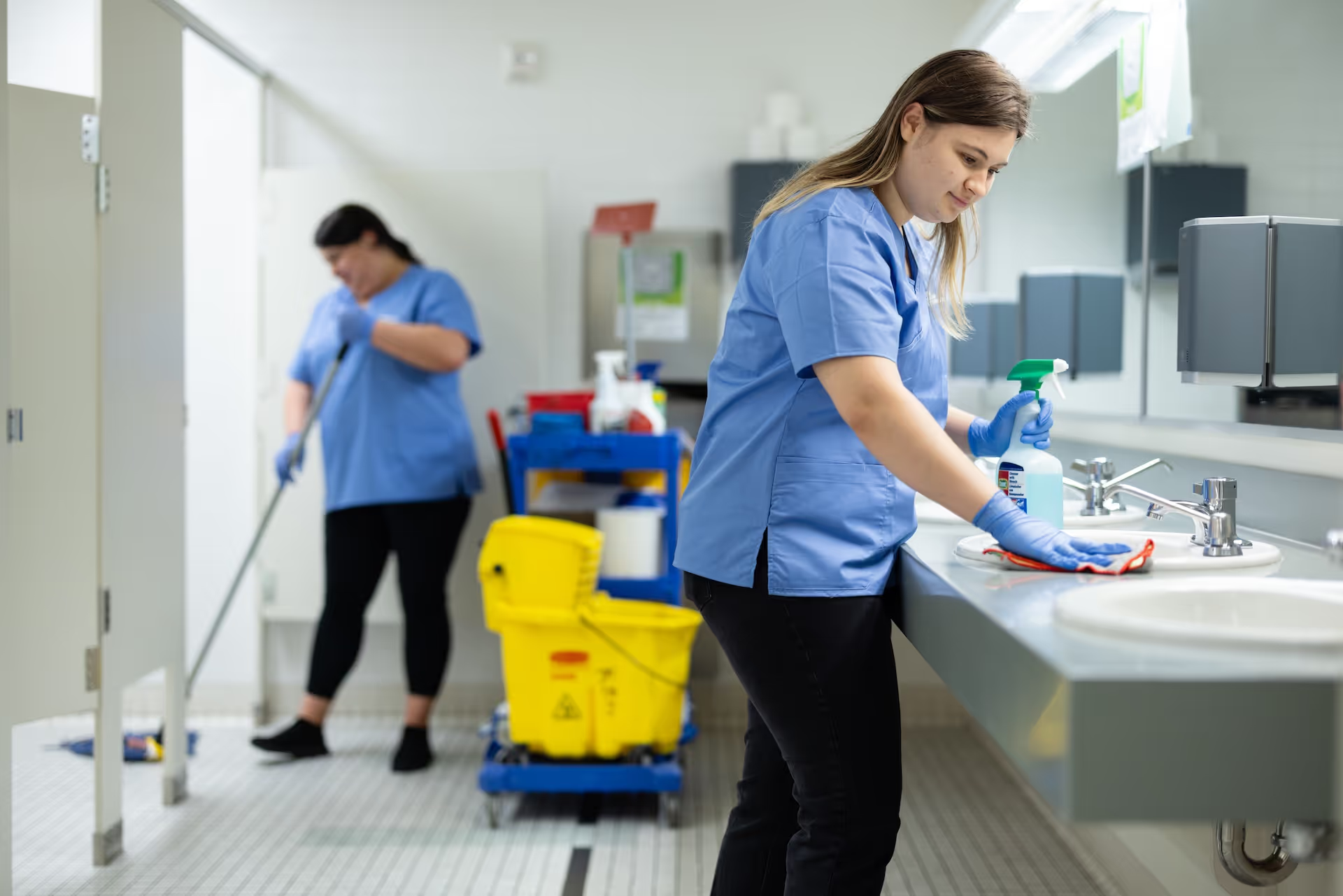
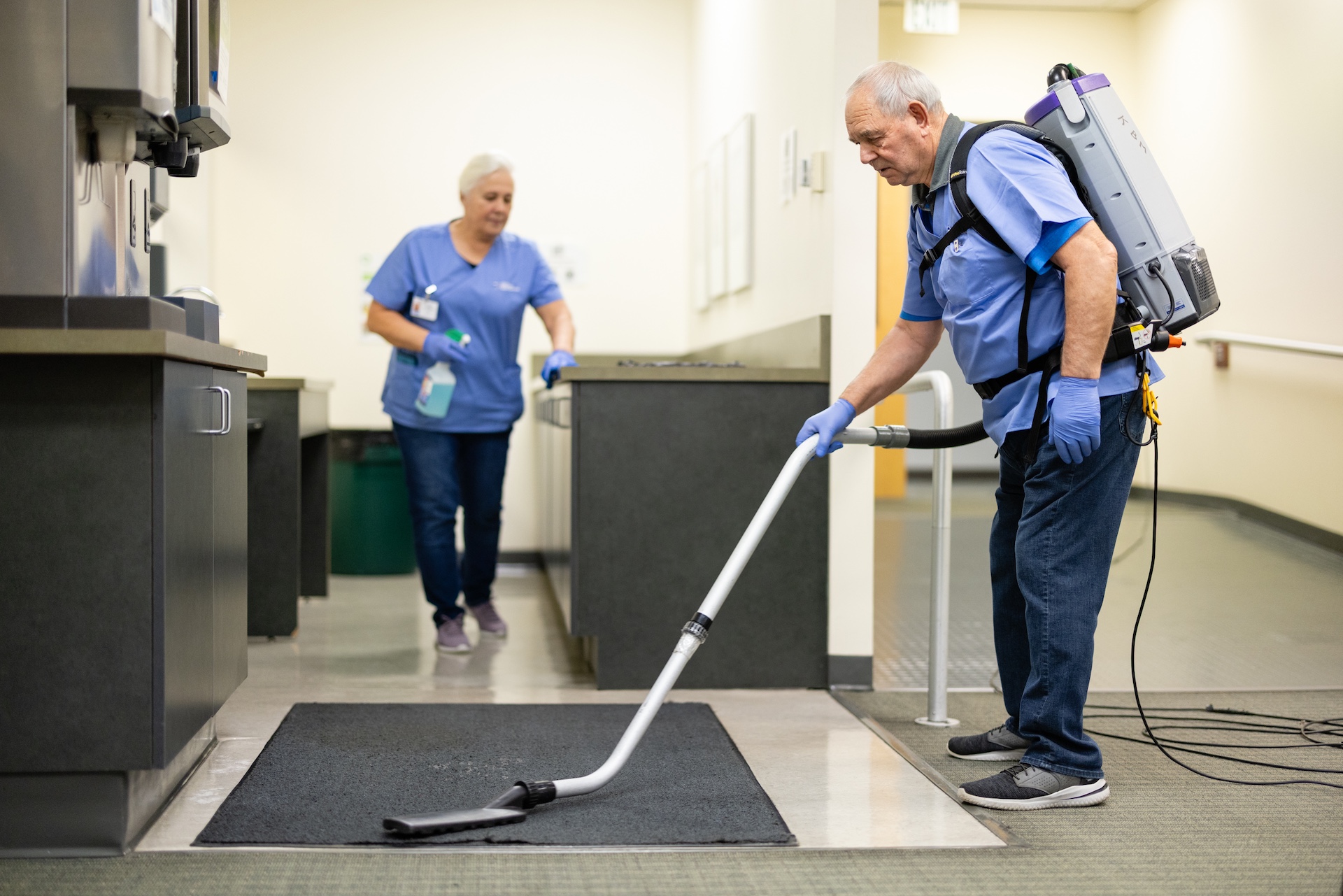
- Front desk and waiting room: counters, check-in surfaces, chair arms, door glass and push plates, restrooms (if adjacent), trash, spot cleaning for visible soil
- Hallways and staff areas: touchpoints (handles, switches), trash, breakroom surfaces, sink areas
- Exam rooms: high-touch surfaces, floors as needed, trash; clear “what we touch vs what staff handles” language
- Restrooms: fixtures and high-touch points; replenishment responsibilities (paper goods and soap) if included
You don’t need a 40-page protocol to start. You need a scope that names what gets cleaned, how often, who owns it, and how you’ll verify it.
High-touch points in a medical office (copy and paste list)
High-touch surfaces are a recognized focus area in healthcare environmental cleaning guidance because they’re touched constantly and can contribute to spread when missed.
Callout box: High-touch checklist (outpatient friendly)
- Door handles and push plates
- Light switches
- Counters (front desk, shared worktops)
- Chair arms (waiting rooms, exam rooms)
- Sink handles and faucet levers
- Toilet handles and flush buttons
- Paper towel and soap dispensers
- Keypads, phones, clipboards, touch screens (only if included in scope)
- Breakroom fridge handle, microwave handle, coffee station touchpoints
- Time clocks and shared cabinet pulls
This list becomes powerful when it’s paired with frequencies (daily vs multiple times per day) and a clear “included vs excluded” note for electronics and shared devices.
Exam room turnover basics: between patients vs end of day
Exam room turnover is where miscommunication happens fastest—because it’s a handoff between clinical care and environmental cleaning. The goal is not to guess; it’s to define responsibilities so turnover is reliable.
Between patients: patient zone first, policy-driven
Between patients, cleaning and disinfection typically focuses on the patient zone and any visibly soiled areas. Depending on your clinic’s policy, this can be a shared responsibility between clinical staff and cleaning staff—especially in rooms with active clinical equipment.
In practice, you want a written turnover note that answers: “What does the cleaning team touch, and what do they avoid unless directed?”
End of day: fuller reset, fewer gray areas
End-of-day routines are usually the best time for a fuller room reset: remaining touchpoints, floors, trash, and restock items if you include restocking in the scope.
This is also where you can add “detail” items (edges, corners, spot wall cleaning) without disrupting patient flow—assuming access and alarms are handled cleanly.
Define responsibilities for shared equipment
Shared equipment is where scopes go to die. Decide—then write down—who wipes what: BP cuffs, device touch surfaces, carts, keyboards, and any wall-mounted accessories.
If your answer is “clinical staff wipes devices; cleaning staff cleans around devices,” that’s fine. What’s not fine is leaving it implied.
Sharps and biohazard boundaries: what to put in writing
This is the section that keeps everyone safer—staff, patients, and your vendor team—because it sets expectations before an incident happens.
A cleaning vendor should follow your facility’s rules for regulated waste and your exposure control approach. And if blood or other potentially infectious materials contact a surface, that surface must be cleaned and decontaminated per your plan.
Boundaries to define in writing:
- Who handles sharps containers (typically clinical staff, but define it)
- Who handles regulated medical waste bags (define by location and process)
- What happens if sharps are found left out (stop work, notify, document, escalate)
- Spill response and incident documentation: who is called, what gets logged, what is the response time expectation
This doesn’t have to read like a legal document. It has to be unambiguous on a Tuesday at 6:30 pm when someone finds something they shouldn’t.
Daytime vs after-hours cleaning: choose the right model
Your cleaning model should match your patient flow. The “right” answer is the one that keeps your clinic running smoothly and keeps your staff from stepping around unfinished work.
After-hours: best for full-room routines
After-hours cleaning is most common because it reduces disruption and makes it easier to complete full-room routines (especially floors and detailed touchpoints).
If you’re comparing medical office cleaning Seattle WA bids, ask how access is managed: keys, alarms, badging, and who is accountable for lock-up.
Day porter support: best for touch-ups and traffic spikes
Day porter and daytime support can be ideal for restrooms, waiting room touch-ups, spills, trash, and high-traffic touchpoints—especially in clinics with steady throughput.
Either way, require these basics in the scope:
- Access rules and “no-interruption zones” during patient care
- What’s realistic for turnover windows
- How urgent requests are routed and tracked
Cleaning frequencies: a simple baseline you can adapt
Frequencies should match traffic, risk, and your office’s policies—not a one-size-fits-all schedule. But a baseline helps you compare vendors and avoid under-scoping.
Daily (most clinics)
- Waiting room and restrooms
- High-touch surfaces (front desk and patient-facing touchpoints)
- Trash and visible soil
- Entry glass and doors as needed
More frequent (when traffic spikes)
During surges or heavy foot traffic, high-touch surfaces may need more frequent attention. Build this into your plan so staff aren’t improvising.
Weekly
- Detailed dusting
- Baseboards and edges
- Spot clean walls and doors
- Interior glass (as needed)
Monthly and quarterly
- Floor care (scrub and buff, or deeper care depending on flooring)
- High dusting (vents, upper ledges)
- Detail cleans in corners and behind movable items
Frame these as a starting point. Then adjust once you see real traffic patterns and where complaints actually come from.
“Inspection-ready” logs and documentation: what to require
If you want fewer “we thought that was included” moments, ask for documentation up front—and require it in the contract or onboarding plan.
Here’s what to require:
- Written scope plus room-by-room checklist (what, how often, who)
- Training and competency records (onboarding and refreshers)
- QA inspections with corrective actions and recheck notes
- Product and equipment Instructions for Use (IFUs) available and followed for consistent cleaning and disinfection practices
- Optional but useful: service tickets or escalation log for issues and urgent requests
Many facilities maintain IFUs and standardized processes to support consistent cleaning and reduce survey-day surprises.
The point is not paperwork for paperwork’s sake. The point is having a simple system you can point to when a room changes, a complaint comes in, or leadership asks for proof of process.
See our full guide to audit-ready documentation here.
The practice manager’s vendor checklist: 12 questions (screening-call ready)
These are designed to tell you—fast—whether a vendor can run a clinic-grade program or whether they’re pricing you like a standard office.
- Can you provide a written scope by room type and frequency?
- How do you define high-touch surfaces for a clinic like ours?
- What’s your plan for exam room turnover vs end-of-day cleaning?
- What are your sharps and regulated waste boundaries, and what’s your escalation process?
- How do you document staff training and site-specific procedures?
- How do you QA the work (inspections, corrective actions, communication cadence)?
- How do you ensure products are used per instructions (including contact time and compatibility where applicable)?
- Do you offer daytime support, and what does that cover?
- How do you handle missed cleans or urgent requests (same day vs next service)?
- Who is the on-site lead and how do we communicate day to day?
- What’s your plan for staffing reliability (call-outs, backfill, vacations)?
- What documentation will we have in the first 30 days (scope, checklists, QA logs)?
If a vendor answers confidently and shows you examples (blank templates are fine), you’re usually in good hands.
Conclusion
The best medical office cleaning isn’t “more cleaning.” It’s a clearer scope, smarter high-touch priorities, and documentation that makes performance repeatable. When responsibilities are defined—especially in exam rooms and around shared equipment—you get fewer complaints and fewer awkward surprises.
The fastest next step is a walkthrough so your vendor can scope your rooms, traffic patterns, and risk areas and turn that into a written plan. If you want a scope you can trust (and enforce), start there.
FAQ
What should a medical office cleaning service include?
At minimum: a written scope by room type, high-touch routines, clear exam room handoffs, sharps and regulated waste boundaries, and QA logs. You should also require documented training and access to IFUs for consistent cleaning and disinfection steps.
How often should a medical office be cleaned?
Most clinics use a daily baseline for restrooms, waiting areas, trash, visible soil, and high-touch points, then adjust based on traffic and risk. High-traffic periods may require more frequent attention to high-touch surfaces.
What are high-touch surfaces in a clinic?
High-touch surfaces are items and areas frequently touched by hands—door hardware, light switches, counters, and other shared touchpoints. They’re often prioritized for more frequent cleaning and disinfection based on risk and use.
Who cleans exam rooms between patients?
This can be shared between clinical staff and cleaning staff depending on your facility policy, access, and what’s considered clinical equipment versus environmental surfaces. The key is defining responsibilities in your scope so turnover is consistent.
Do cleaning companies handle sharps or biohazard waste?
Boundaries vary and should be defined in writing. However, surfaces contaminated with blood or other potentially infectious materials should be cleaned and decontaminated per your exposure control approach.
What documentation should a cleaning vendor provide?
Require a written scope and room checklists, training records, QA inspection logs with corrective actions, and access to manufacturer IFUs for consistent cleaning and disinfection practices.
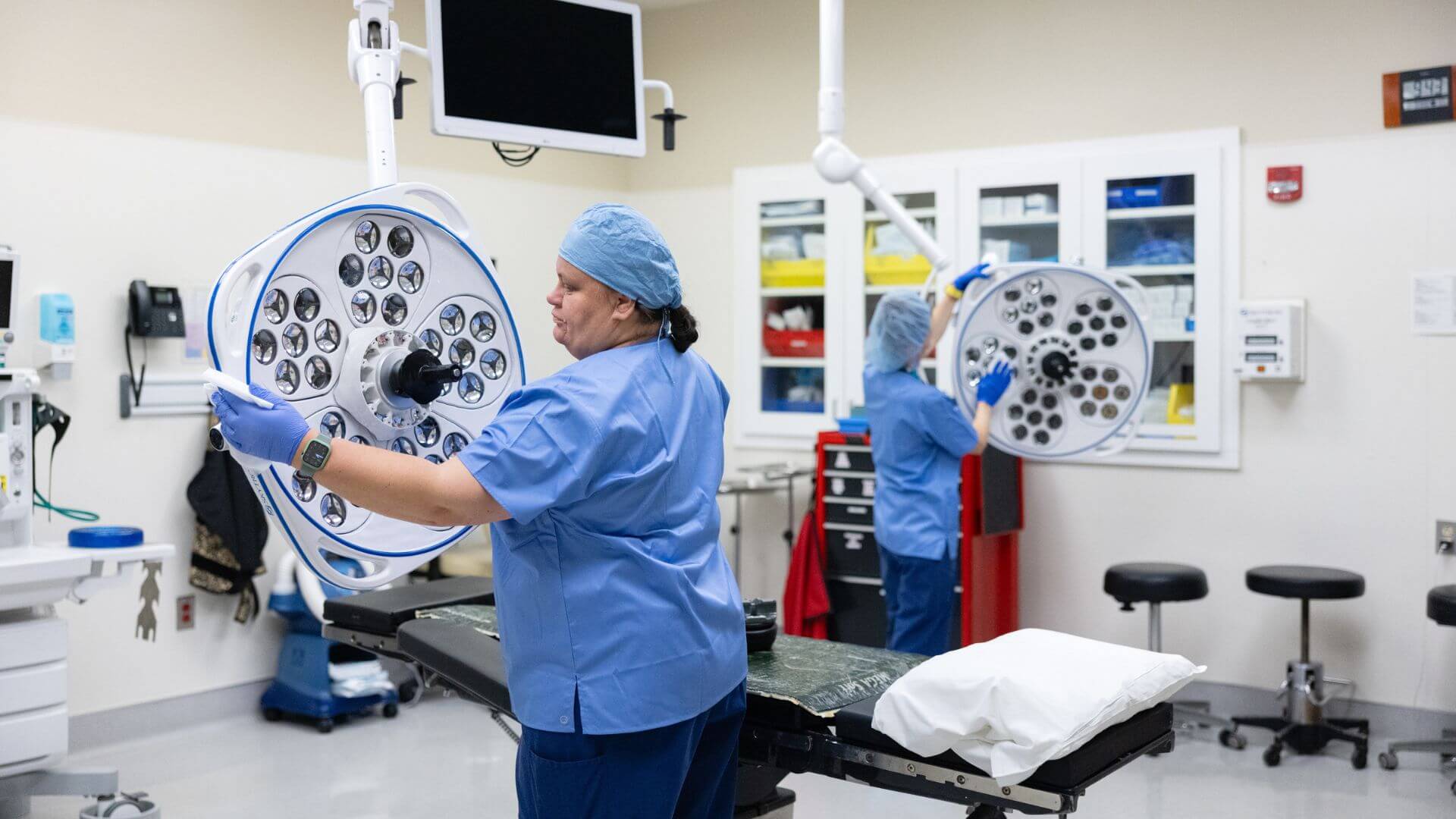
Learn what ambulatory surgery center cleaning should include, how to define responsibilities, and what to require for reliable, audit-ready service.
Read More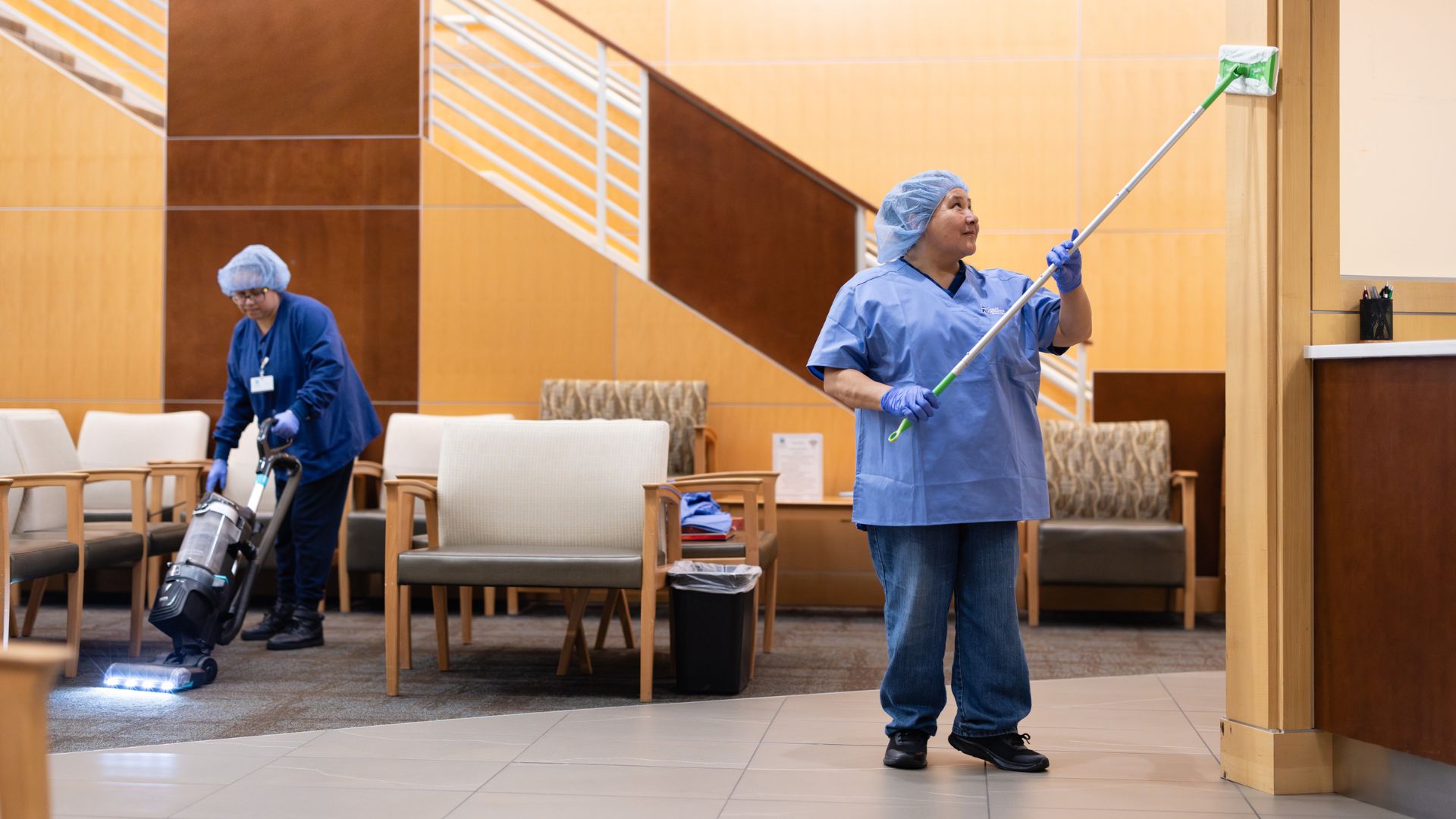
Learn what medical office cleaning costs in the Seattle area, what affects your quote, and how to compare proposals for dependable healthcare cleaning.
Read More
Learn how trained staff, clear protocols, fast response, and documented quality help Seattle healthcare facilities stay clean and ready. Schedule a site walk.
Read More
Looking for commercial cleaning services in Seattle? Learn how a dependable janitorial partner makes your life easier, from daily cleaning to QA and communication.
Read More
Learn what terminal cleaning means in healthcare, when it is needed, what it includes, and what to require from a medical cleaning vendor.
Read More
Learn what audit-ready healthcare cleaning documentation should include, from schedules and SOPs to training records, QA logs, and corrective actions.
Read More
Learn what HIPAA-compliant cleaning really means for medical offices and clinics, including vendor access rules, privacy safeguards, incident protocols, and what to require.
Read MoreHiring medical office cleaning services in Seattle? Use this checklist for scope, high-touch disinfection, turnover handoffs, logs, and QA. Request a site walk.
Read More
Best practices for clinic cleaning services: high-touch priorities, waiting rooms, restrooms, shared equipment boundaries, and checklists. Request a site walk.
Read More
Hospital janitorial services explained: what EVS covers, what to outsource, scope boundaries, and inspection-ready documentation. Request a walkthrough.
Read MoreGet 100%
Dependable
Cleaning
Make the switch to a professional janitorial team that comes through for you every time. No more missed cleans or constant turnover. Schedule a site walk today and make cleaning stress a thing of the past.