Healthcare Cleaning Documentation: What “Audit-Ready” Really Looks Like
Learn what audit-ready healthcare cleaning documentation should include, from schedules and SOPs to training records, QA logs, and corrective actions.

A lot of cleaning companies say they deliver “audit-ready” service.
That sounds good. But for a clinic manager, surgery center administrator, or hospital facilities leader, the real question is much simpler: If I asked for proof tomorrow, what could this vendor actually show me?
That is where good documentation matters.
In healthcare, clean is not just about appearance. It is about whether the work is defined, repeatable, and easy to review when leadership, procurement, infection prevention, or an outside inspector takes a closer look.
What “audit-ready” really means
At its best, “audit-ready documentation” does not mean a thick binder collecting dust on a shelf. It means the cleaning program is organized enough that someone can quickly understand how the work is supposed to happen and whether it is happening consistently.
In practical terms, that means clear schedules, written procedures, training records, quality checks, and a record of how issues are corrected. The point is not perfection. The point is being prepared.
Why buyers care so much about documentation
Most healthcare buyers are not asking for documentation because they love paperwork. They want documentation because it makes vendor oversight easier and surprises less likely.
A strong documentation system helps answer the questions that matter most: What gets cleaned? How often? Who is responsible? How do you train staff? What happens if something is missed? Those answers build trust because they show the vendor has a real system, not just a nice sales pitch.
The core documents a healthcare cleaning vendor should have
This is where the phrase starts to become concrete. If a vendor says they are inspection-ready, these are the materials they should be able to produce without much scrambling.
Cleaning schedules
A real cleaning schedule should do more than say “daily service.” It should identify the area, the frequency, and the person or team responsible.
That matters because a waiting room, exam room, restroom, procedure room, and staff area do not all carry the same level of risk. A strong schedule shows the vendor understands the difference.
Standard operating procedures
A standard operating procedure explains how the work is actually done. It turns broad promises into a repeatable process.
A good SOP should explain the order of work, the supplies and equipment used, and the important steps staff are expected to follow in that space. It should make the job easier to do consistently, even when different team members rotate through the site.
To understand which requirements your procedures should reflect, see our guide to healthcare cleaning standards for Washington facilities.
Checklists and logs
Checklists are the practical side of documentation. They help teams stay consistent in the middle of a real shift, not just during onboarding.
The best checklists are site-specific. They reflect the actual rooms, surfaces, and priorities of the facility instead of using generic language that could apply to any building. Logs matter for the same reason. They create a record that the work was completed as expected.
Training and competency records
Training records show whether the system is real. They tell a buyer whether staff were prepared before working independently and whether they were trained on the expectations of that specific site.
That is especially important in healthcare settings, where small details matter. A serious vendor should be able to show how staff are trained, when that training happened, and how competency is reinforced over time.
Quality inspections and corrective actions
No cleaning program is flawless every day. That is not the standard. The standard is whether the vendor catches problems, addresses them quickly, and prevents repeats.
That is why quality inspections and corrective-action logs are so important. They show whether the vendor is managing the work actively or just hoping everything went fine.
Product and equipment instructions
This is one of the easiest places for a program to feel shaky. Staff may know the room well, but still be unclear on the exact expectations for a product, surface, or piece of equipment.
A strong vendor makes sure the relevant instructions are easy to access and built into the way the work is done. Staff should not be guessing about the basics.
High-touch surfaces should be clearly documented
This is where the conversation gets very practical. If a vendor cannot clearly define the high-touch surfaces in your facility, the documentation is probably still too generic.
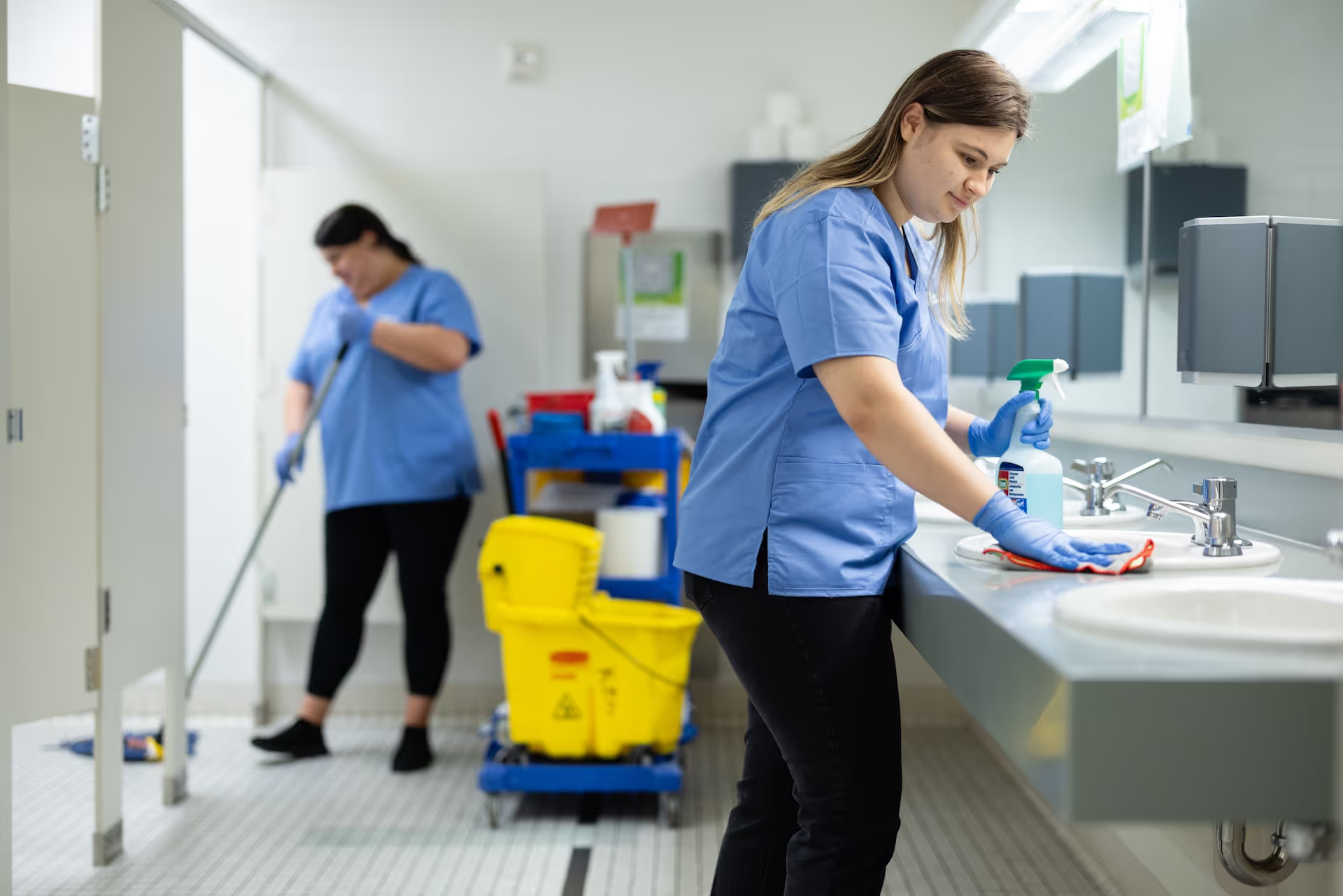
High-touch surfaces vary by setting, but they usually include things like door handles, light switches, counters, sink handles, restroom touchpoints, chair arms, and shared control surfaces. In a healthcare environment, those surfaces deserve clear attention in both the written scope and the daily checklist.
That kind of specificity helps a buyer feel that the vendor has actually looked at the building instead of dropping in a template.
What a facility should be able to ask for on short notice
This is the simplest test of whether a program is truly ready. If leadership asked for documentation today, what could the vendor send over by the end of the day?
At a minimum, they should be able to provide:
- the current cleaning scope
- room or area frequencies
- written procedures
- checklists
- training records
- recent quality reports
- corrective-action logs
- product and equipment instructions relevant to the work
That does not just make reviews easier. It also makes the day-to-day relationship smoother, because expectations are visible and easier to coach.
Common gaps that make a cleaning program feel weak
Most weak programs do not fail because nobody cares. They fail because the documentation does not match the reality of the building.
Common problems include vague schedules, generic checklists, missing training records, unclear ownership of shared equipment, and no clear follow-up after a failed inspection. A building can still look clean for a while with those issues in place. The trouble shows up later, usually when the site gets busy or leadership starts asking harder questions.
Why this matters even when the building already looks clean
A clean-looking facility matters. It just does not tell the whole story.
Documentation is what proves the work is consistent, not accidental. It helps leadership see whether the program can hold steady across staffing changes, busy days, urgent requests, and more detailed reviews. That is the deeper value buyers are looking for.
What clients really want from audit-ready documentation is peace of mind. They want fewer surprises, less micromanagement, and more confidence that the vendor knows what they are doing.
The bottom line
Audit-ready healthcare cleaning documentation is not about making the program look official. It is about making the program trustworthy.
The strongest vendors can show what gets cleaned, how often, how staff are trained, how quality is checked, and how issues are corrected. That is what turns “trust us” into something a healthcare buyer can actually believe.
If you are evaluating a healthcare cleaning partner, start with the documentation. It usually tells the real story faster than the sales pitch does.
FAQ
What is audit-ready healthcare cleaning?
It is a cleaning program that is documented, repeatable, and easy to review. In practice, that usually means clear schedules, written procedures, checklists, training records, and quality tracking.
What documentation should a healthcare cleaning company provide?
A strong healthcare cleaning company should be able to provide schedules, room-specific procedures, checklists, training records, quality reports, and corrective-action logs. They should also be able to show the instructions staff are expected to follow for relevant products and equipment.
What is the difference between a checklist and an SOP?
A checklist is a reminder of what needs to be done. An SOP is the documented process that explains how the work should be done, in what order, and with what supplies or precautions.
Why do healthcare cleaning staff need training records?
Training records show that staff were prepared before working independently and that site-specific expectations were actually taught. They also make it easier to coach and retrain staff when gaps appear.
Who reviews this documentation?
Depending on the setting, it may be reviewed by facility leadership, procurement, infection prevention, environmental services leadership, client stakeholders, or outside surveyors and inspectors.
What makes a healthcare cleaning program look unprepared?
The biggest red flags are vague schedules, generic checklists, missing training records, unclear ownership of tasks, and no documented follow-up when something goes wrong.
Optional alternate meta description:
What does audit-ready healthcare cleaning really mean? Learn what documentation, logs, training records, and QA processes serious medical cleaning vendors should provide.
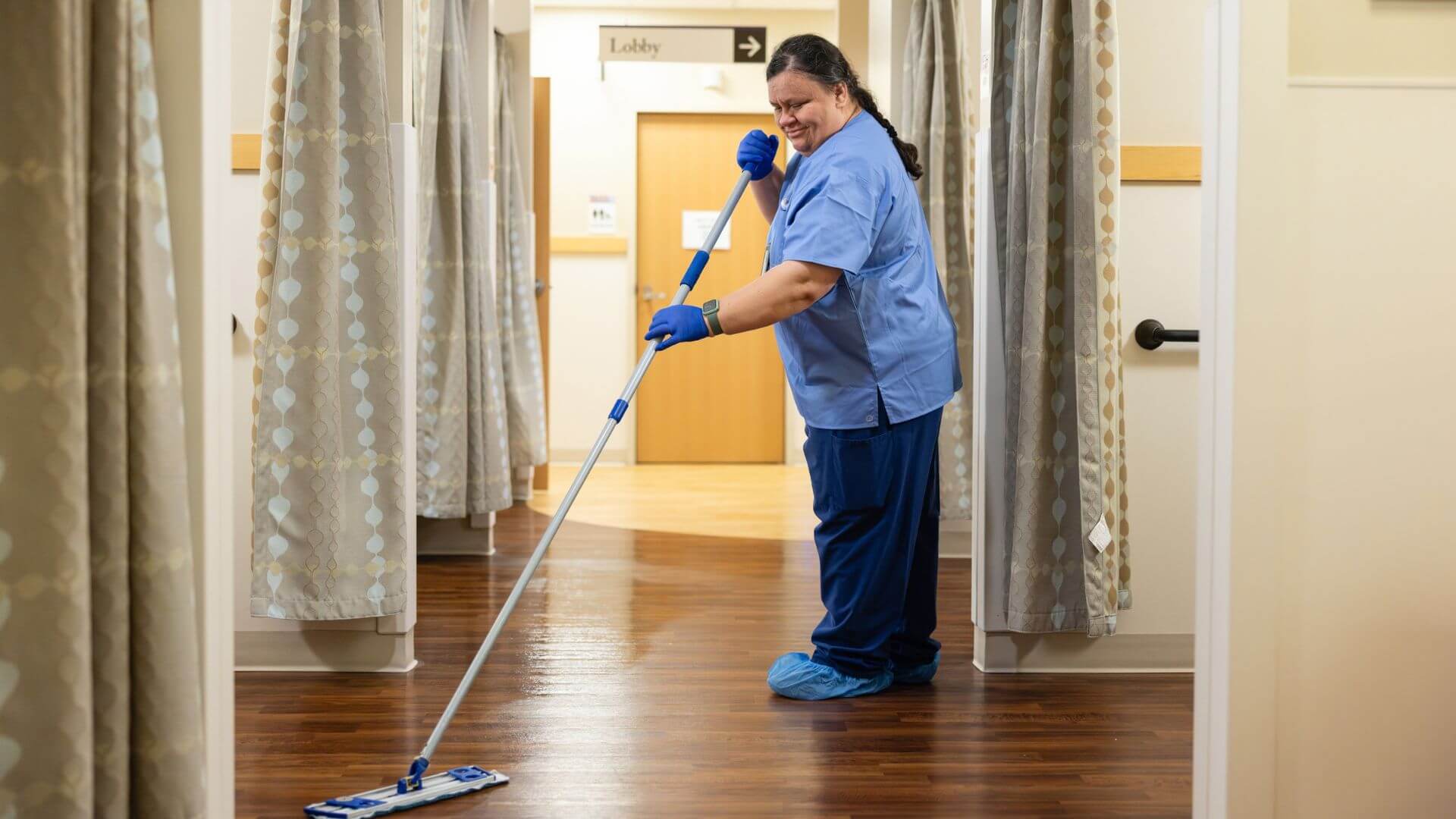
Understand healthcare cleaning standards in Washington, what your janitorial team should document, and how to verify consistent cleaning and disinfection.
Read More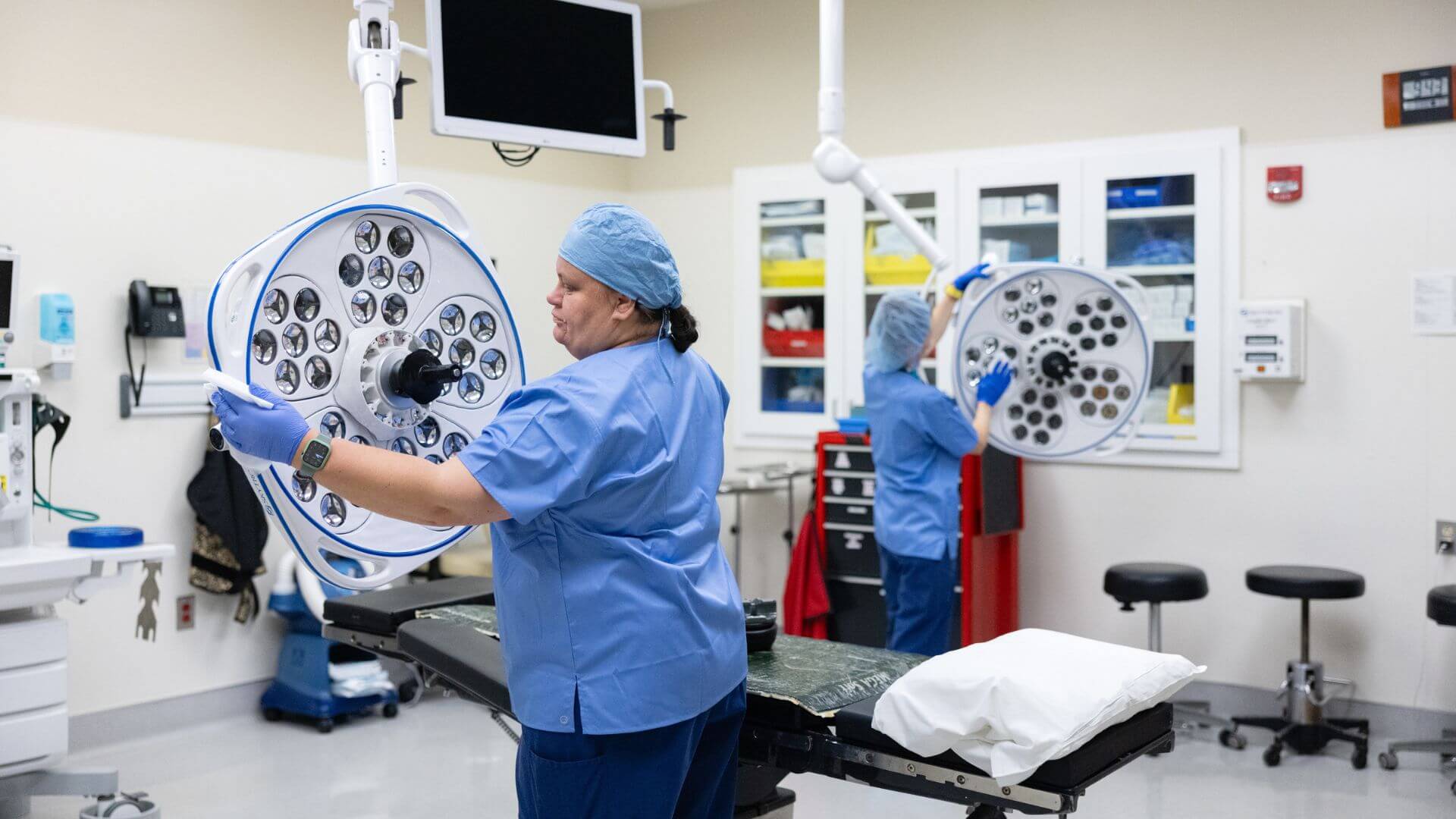
Learn what ambulatory surgery center cleaning should include, how to define responsibilities, and what to require for reliable, audit-ready service.
Read More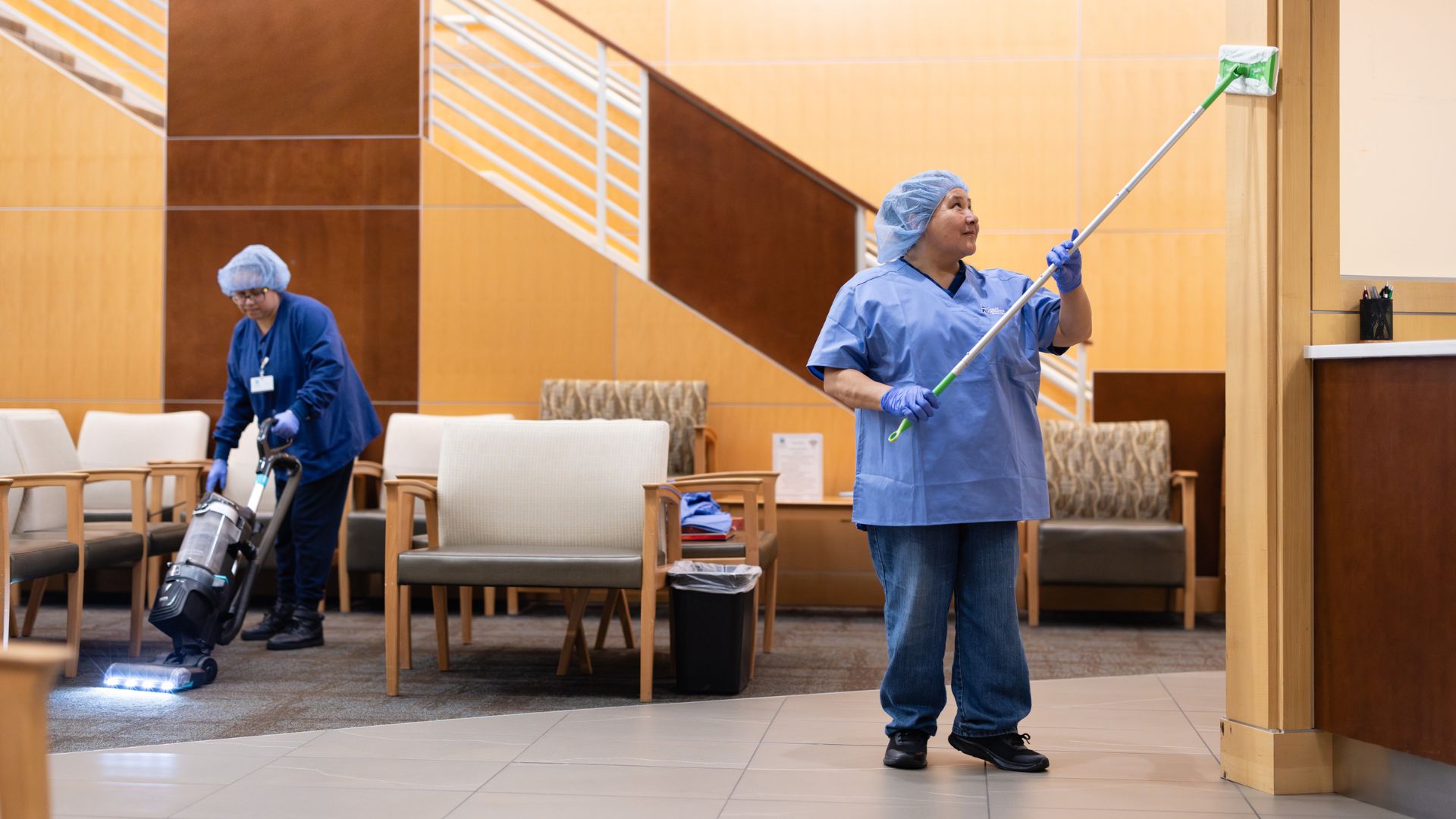
Learn what medical office cleaning costs in the Seattle area, what affects your quote, and how to compare proposals for dependable healthcare cleaning.
Read More
Learn how trained staff, clear protocols, fast response, and documented quality help Seattle healthcare facilities stay clean and ready. Schedule a site walk.
Read More
Looking for commercial cleaning services in Seattle? Learn how a dependable janitorial partner makes your life easier, from daily cleaning to QA and communication.
Read More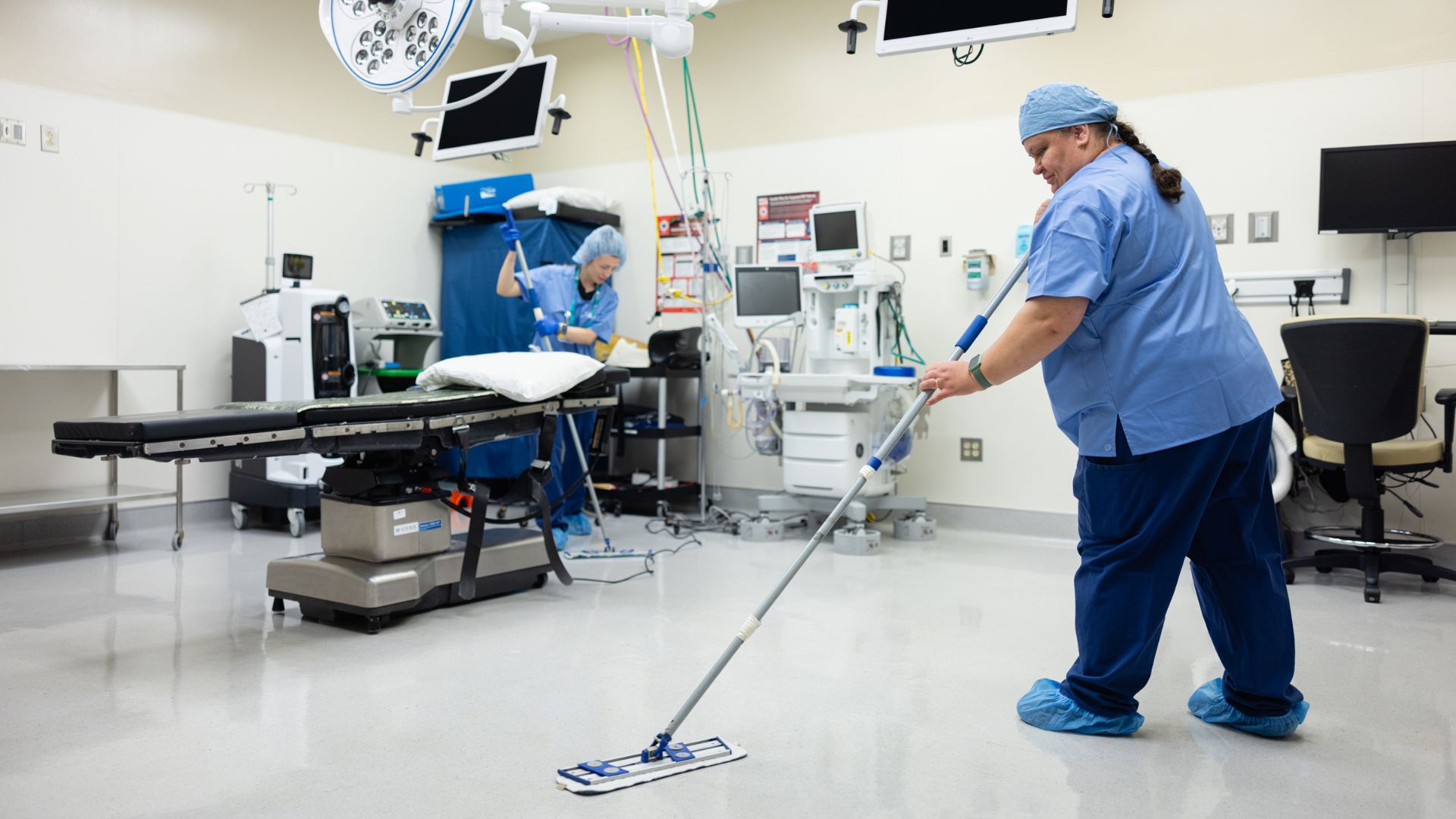
Learn what terminal cleaning means in healthcare, when it is needed, what it includes, and what to require from a medical cleaning vendor.
Read MoreLearn what audit-ready healthcare cleaning documentation should include, from schedules and SOPs to training records, QA logs, and corrective actions.
Read More
Learn what HIPAA-compliant cleaning really means for medical offices and clinics, including vendor access rules, privacy safeguards, incident protocols, and what to require.
Read More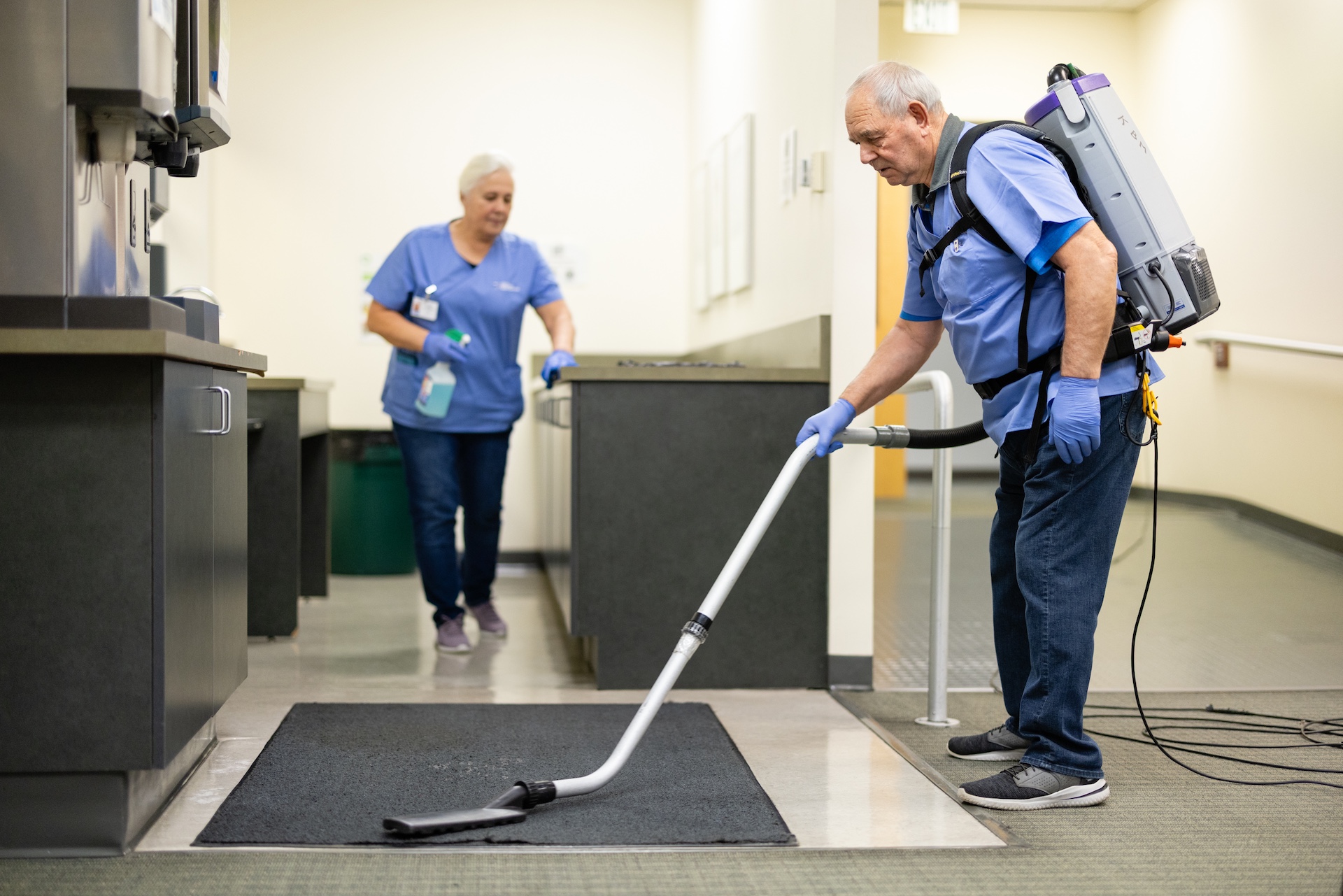
Hiring medical office cleaning services in Seattle? Use this checklist for scope, high-touch disinfection, turnover handoffs, logs, and QA. Request a site walk.
Read More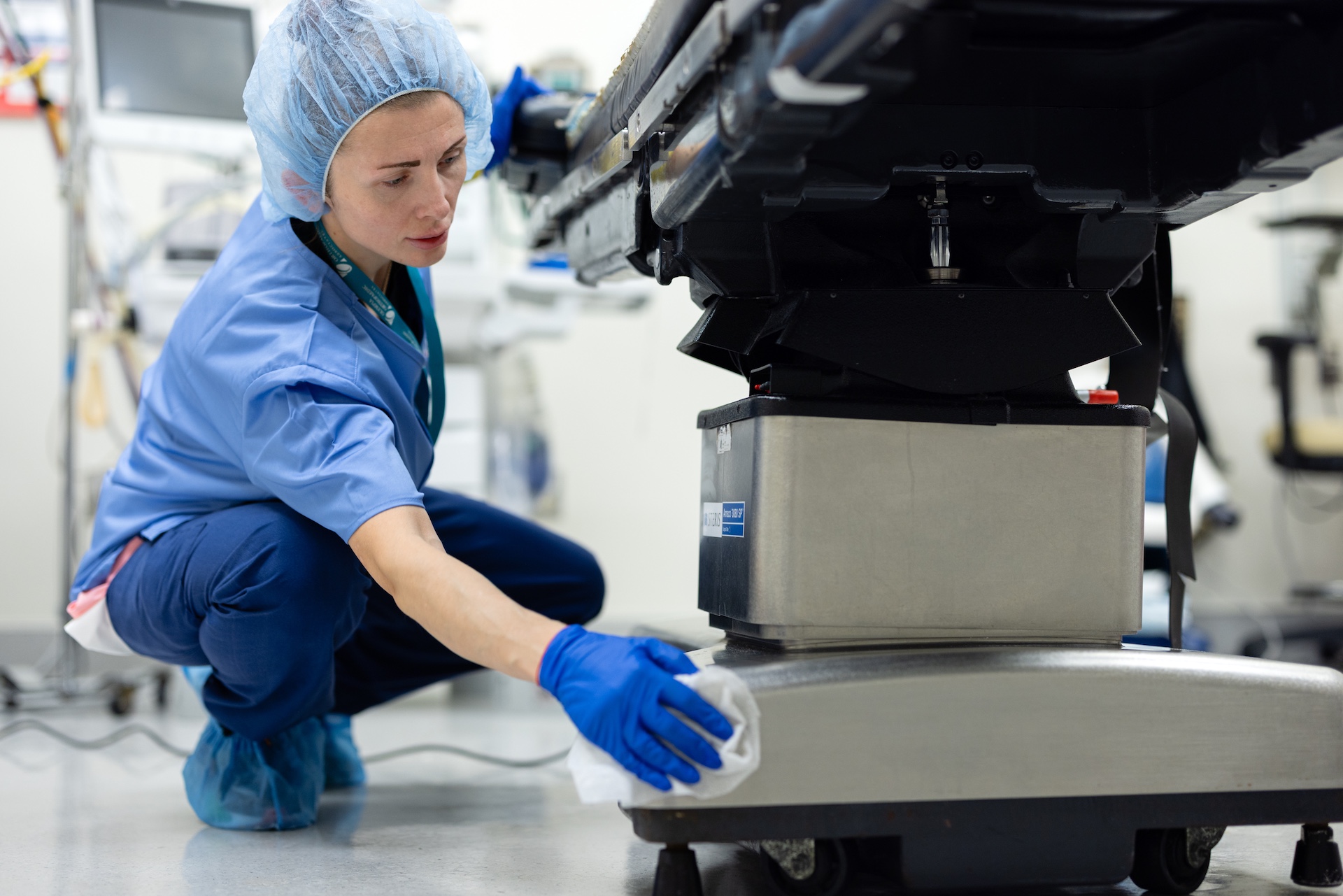
Best practices for clinic cleaning services: high-touch priorities, waiting rooms, restrooms, shared equipment boundaries, and checklists. Request a site walk.
Read More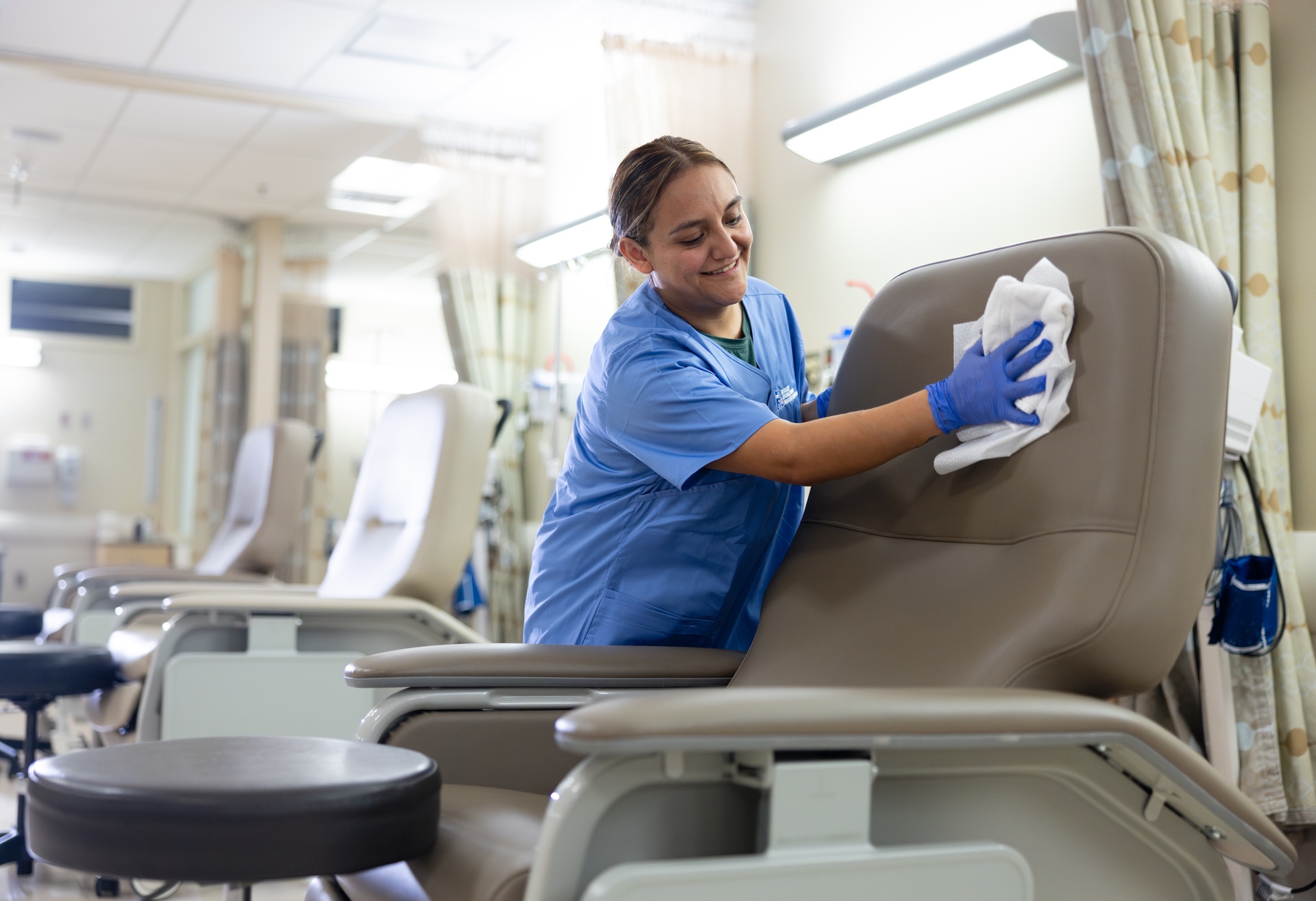
Hospital janitorial services explained: what EVS covers, what to outsource, scope boundaries, and inspection-ready documentation. Request a walkthrough.
Read MoreGet 100%
Dependable
Cleaning
Make the switch to a professional janitorial team that comes through for you every time. No more missed cleans or constant turnover. Schedule a site walk today and make cleaning stress a thing of the past.