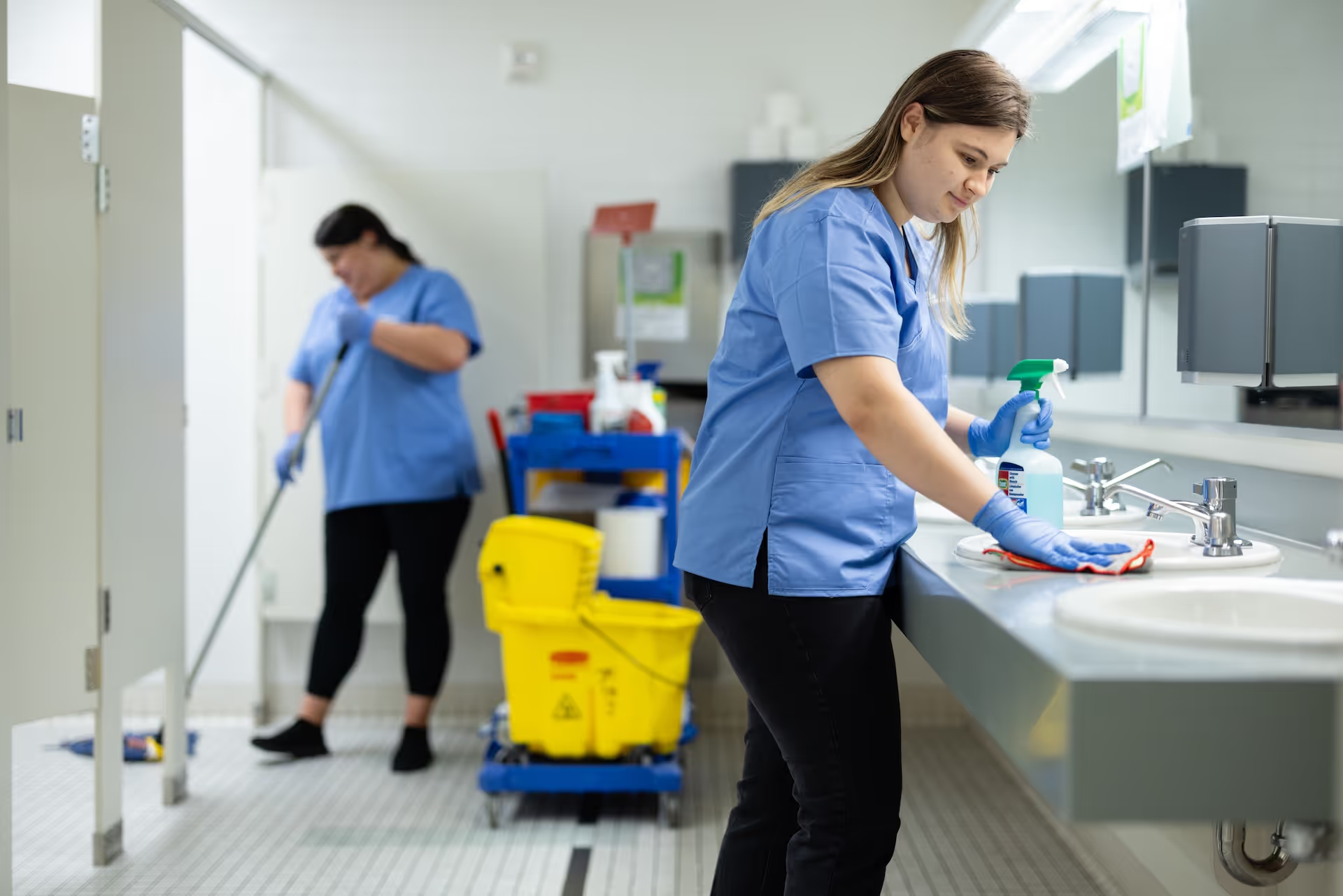
Commercial Cleaning Services in Seattle: What Facility Managers Should Expect From a Janitorial Partner
Looking for commercial cleaning services in Seattle? Learn how a dependable janitorial partner makes your life easier, from daily cleaning to QA and communication.

If you manage a commercial facility in Seattle, cleaning should be one less thing you have to chase.
You already have plenty on your plate: tenant needs, employee complaints, vendor schedules, access issues, maintenance requests, safety concerns, and the occasional urgent mess that needs attention right now.
Your janitorial partner should take pressure off your team—not add more problems to your list.
When the wrong vendor is in place, small issues stack up fast. Restrooms slip. Entryways look rough by midday. Trash gets missed. Communication happens only after someone complains.
A dependable commercial cleaning services partner works differently.
They learn your building, build a clear scope, communicate consistently, and help your facility feel cared for day after day.
Here’s what facility managers should expect when comparing commercial cleaning services in Seattle.
What should commercial cleaning services in Seattle include?
Commercial cleaning services in Seattle should include a clear scope of work, consistent janitorial staffing, restroom cleaning, trash removal, floor care, high-touch surface cleaning, common-area cleaning, communication procedures, quality checks, and a clear process for urgent needs or missed tasks.
The exact scope depends on your facility. A medical office, professional building, warehouse office, and multi-tenant property all need different levels of service.
What commercial cleaning services usually include
Commercial cleaning can include recurring janitorial service, daytime support, and periodic specialty cleaning.
Most commercial cleaning services include some mix of:
- Nightly janitorial service
- Restroom cleaning and restocking
- Trash and recycling removal
- Lobby and common-area cleaning
- Office and workstation-area cleaning
- Breakroom and kitchen cleaning
- High-touch surface cleaning
- Floor care and carpet care
- Interior glass and entryway cleaning
- Day porter services
- Post-construction or move-in/move-out cleaning
- Emergency or special-request cleaning
The service list matters. But the bigger question is whether the company can define what your building actually needs and deliver that scope consistently.
Why Seattle facilities need more than basic cleaning
Seattle buildings deal with a lot of small, visible cleaning challenges. Rain, foot traffic, deliveries, shared restrooms, and busy entryways can make a clean facility look neglected quickly.
That’s why basic cleaning often falls short. Facility managers need a partner who understands how the building is used throughout the day.
In Seattle facilities, small details get noticed quickly: wet entry mats, restroom supplies, elevator touchpoints, lobby glass, breakroom counters, and trash overflow. These aren’t dramatic problems, but they shape how tenants, staff, patients, and visitors experience the building.
A good janitorial partner pays attention to those pressure points before they turn into complaints.
What separates a janitorial partner from a basic cleaning vendor
A basic cleaning vendor completes tasks. A true janitorial partner helps you manage the facility with less friction.
The difference usually shows up in communication, supervision, staffing, and follow-through.
A basic vendor often:
- Uses a generic checklist
- Communicates only when something goes wrong
- Needs constant reminders
- Treats every building the same
- Struggles to adapt when needs change
A true partner:
- Builds a site-specific scope
- Shows up consistently
- Communicates clearly
- Responds quickly to issues
- Adjusts when building needs change
- Provides supervision and quality checks
- Makes the facility manager’s job easier
The best janitorial partner reduces the number of cleaning-related problems you have to manage.
Nightly cleaning, day porter service, and specialty cleaning
Not every facility needs the same service model. The right plan depends on traffic, operating hours, restroom volume, tenant expectations, and how quickly issues need to be addressed.
Most commercial cleaning plans include one or more of these service levels.
Nightly janitorial service
Nightly janitorial service is the foundation of many commercial cleaning programs. It works well for buildings that need a consistent reset after business hours.
Nightly service may include:
- Restrooms
- Trash and recycling
- Floors
- Breakrooms
- High-touch points
- Offices and common areas
This is often the right fit when the building can be cleaned after staff, tenants, patients, or visitors leave for the day.
Day porter service
Day porter service provides support while people are actively using the facility.
Day porters may help with:
- Restroom touch-ups
- Lobby resets
- Spill response
- Trash overflow
- Entryway upkeep
- Tenant, staff, or visitor requests
For high-traffic buildings, medical offices, and multi-tenant facilities, a day porter can be the difference between “we’ll get to it tonight” and “it’s already handled.”
Specialty cleaning
Specialty cleaning covers periodic or project-based work that protects the appearance and condition of your facility.
Specialty services may include:
- Floor care
- Carpet cleaning
- Interior glass
- High dusting
- Deep cleaning
- Post-construction cleaning
- Move-in/move-out cleaning
A good commercial cleaning company will help you plan these services before the building starts to look like it needs them.
What should be included in a commercial cleaning scope of work?
A strong scope of work removes assumptions. Everyone should know what gets cleaned, how often it happens, and who to contact when something changes.
This is one of the most important parts of choosing a commercial cleaning company in Seattle. A vague scope is where missed tasks and frustration usually begin.
A good commercial cleaning scope should define:
- Areas included
- Areas excluded
- Cleaning frequency by area
- Restroom responsibilities
- Trash and recycling expectations
- Floor care expectations
- High-touch surfaces
- Supply and restocking responsibilities
- Security and access procedures
- Communication process
- Quality checks
- Escalation process for missed tasks or urgent needs
The walkthrough matters here. A vendor should see the facility, understand the traffic patterns, ask smart questions, and build the scope around the way the building actually operates.
What documentation and quality checks should you expect?
Strong inspection-ready documentation gives facility managers confidence that the work is being managed well. It also makes it easier to spot patterns, fix misses, and keep expectations clear.
This doesn’t need to be complicated. But it does need to be consistent.
A dependable janitorial partner should be able to provide:
- Site-specific checklists
- Supervisor inspections
- Issue logs
- Corrective actions
- Communication notes
- Service adjustments after walkthroughs
The point is visibility. You shouldn’t have to wonder whether an issue was handled, who owns the next step, or whether the team knows what changed.
Questions to ask before hiring a Seattle commercial cleaning company
The best vendor conversations get specific quickly. You’re choosing a partner who will have regular access to your facility and direct influence over how clean, safe, and professional it feels.
Ask questions like:
- Do you create a site-specific scope after a walkthrough?
- What types of facilities do you clean in the Seattle area?
- Who supervises the cleaning team?
- How do you handle missed tasks or urgent requests?
- How do you communicate with facility managers?
- Can you provide nightly cleaning and day porter service?
- What specialty services do you offer?
- How do you handle keys, alarms, and after-hours access?
- How do you train and retain staff?
- How do you adjust the scope if our building needs change?
A strong commercial cleaning company should be able to answer these clearly. If the answers stay vague, the service may be vague too.
Red flags to watch for
The cheapest janitorial quote can become expensive fast if it leads to complaints, rework, or more management burden for your team. Price matters, but reliability matters more.
Watch for red flags like:
- No walkthrough before quoting
- Vague scope of work
- No clear supervisor or point of contact
- Slow response to issues
- No quality checks
- High staff turnover
- No process for urgent requests
- Lowest-price-only positioning
- Generic approach to every facility
A good vendor should make you feel more confident during the sales process. If communication is already difficult before the contract starts, it probably won’t get easier later.
Why healthcare-grade standards can matter in commercial facilities
Even if your building isn’t a hospital or clinic, there’s value in hiring a janitorial partner that’s experienced in healthcare-grade cleaning. Healthcare cleaning requires consistency, documentation, trained staff, and careful attention to detail.
Those same qualities matter in commercial facilities too.
They’re especially valuable in:
- Medical office buildings
- Professional offices
- High-traffic restrooms
- Shared common areas
- Client-facing spaces
- Facilities with strict access needs
- Buildings where cleanliness affects trust
A healthcare-grade mindset helps raise the standard. It tells you the vendor is used to environments where details matter.
How to choose the right commercial cleaning partner in Seattle
The right commercial cleaning partner should make your building easier to manage. That starts before the first clean.
Look for a company that offers:
- A site walkthrough before quoting
- A clear written scope
- Reliable staffing
- Supervisor oversight
- Strong communication
- Flexible service levels
- Specialty cleaning capabilities
- A plan for urgent requests
- Experience with facilities like yours
The best starting point is a site walk. That gives the cleaning team a chance to understand your building, traffic patterns, priorities, access needs, and schedule before recommending a scope.
The bottom line
Commercial cleaning should reduce your workload, not add to it.
The right janitorial partner provides consistent results, clear communication, and a scope built around your facility. They help prevent complaints, reduce follow-up, and keep your building looking the way it should.
If you’re evaluating commercial cleaning services in Seattle, start with the walkthrough.
A good janitorial partner should ask smart questions, identify your priority areas, and build a scope that makes your facility easier to manage.
Request a site walk to get a clearer picture of what your facility needs.
FAQ
What do commercial cleaning services include?
Commercial cleaning services usually include restrooms, trash removal, floors, common areas, breakrooms, high-touch surfaces, and general janitorial tasks. They may also include day porter service, floor care, carpet cleaning, interior glass, and post-construction cleaning.
How often should a commercial facility be cleaned?
It depends on the size of the facility, traffic levels, restroom usage, operating hours, and tenant, patient, or visitor expectations. Many facilities need nightly service, while high-traffic buildings may also need daytime support.
What is the difference between commercial cleaning and janitorial services?
The terms are often used interchangeably. Janitorial services usually refer to recurring cleaning, while commercial cleaning can also include specialty services like floor care, carpet cleaning, deep cleaning, and post-construction cleaning.
How do I choose a commercial cleaning company in Seattle?
Look for a company that performs a walkthrough, provides a clear written scope, communicates consistently, supervises staff, responds quickly to issues, and has experience with facilities like yours.
What should be included in a commercial cleaning scope of work?
A good scope should define the areas cleaned, cleaning frequency, restroom expectations, floor care, high-touch surfaces, supply responsibilities, access procedures, communication process, and quality checks.
Do I need nightly cleaning or day porter service?
Nightly cleaning works well for routine janitorial needs after business hours. Day porter service is better for high-traffic facilities that need restrooms, lobbies, spills, trash, or tenant requests handled during the day.
Why does healthcare-grade cleaning matter for commercial facilities?
Healthcare-grade cleaning experience can be valuable because it requires consistency, documentation, trained staff, and attention to detail. Those same qualities help commercial facilities stay clean, professional, and easier to manage.
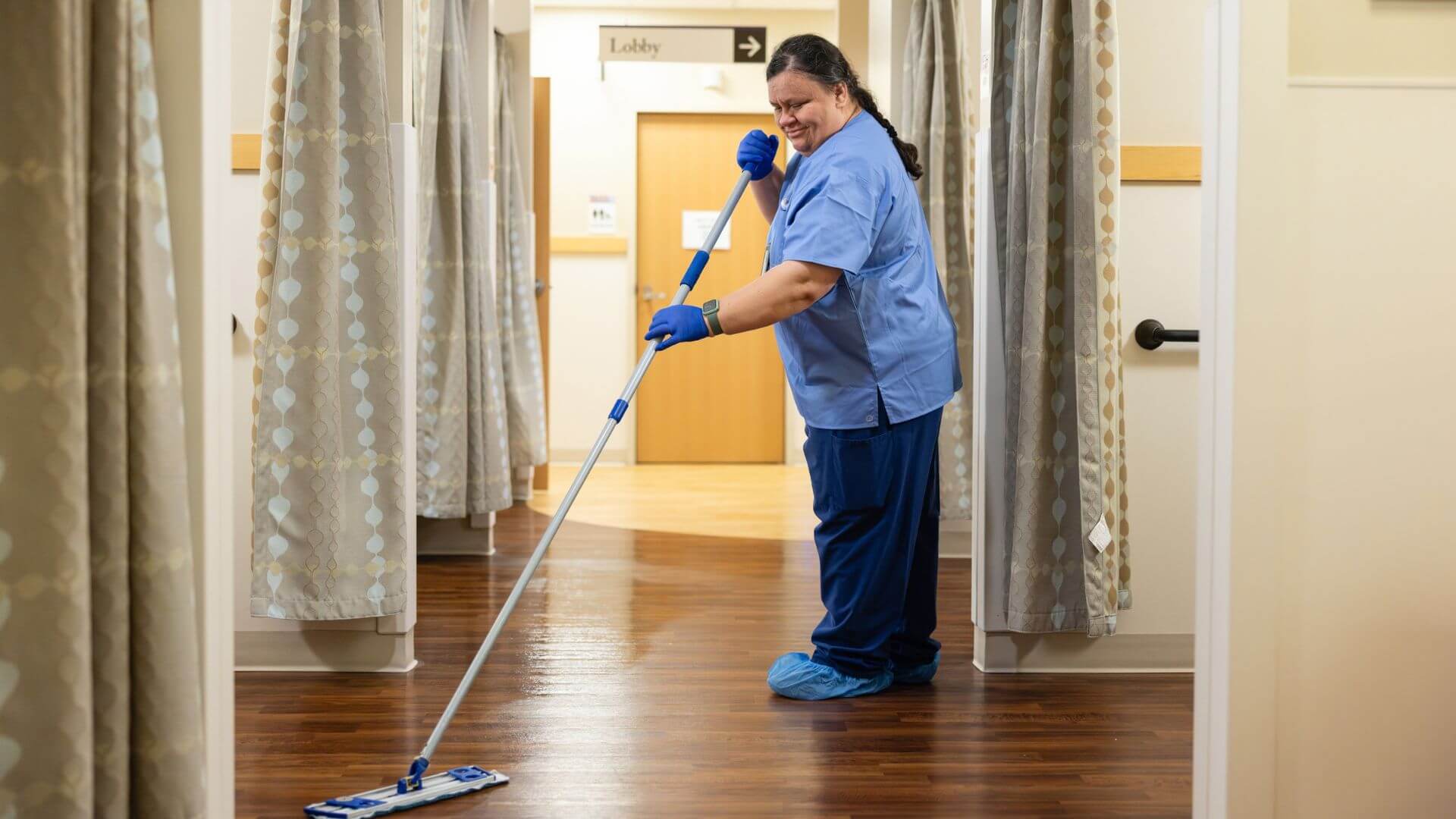
Understand healthcare cleaning standards in Washington, what your janitorial team should document, and how to verify consistent cleaning and disinfection.
Read More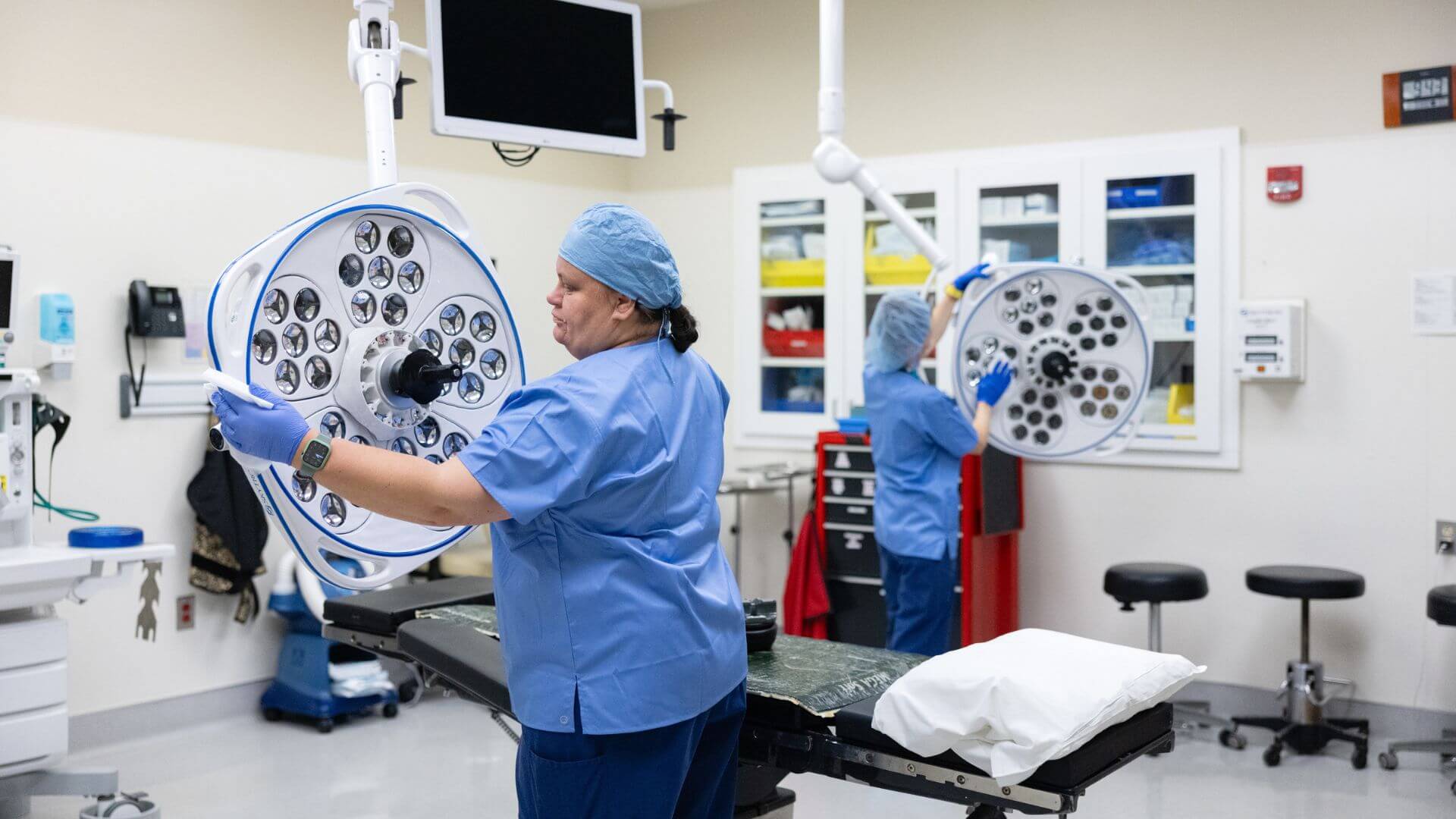
Learn what ambulatory surgery center cleaning should include, how to define responsibilities, and what to require for reliable, audit-ready service.
Read More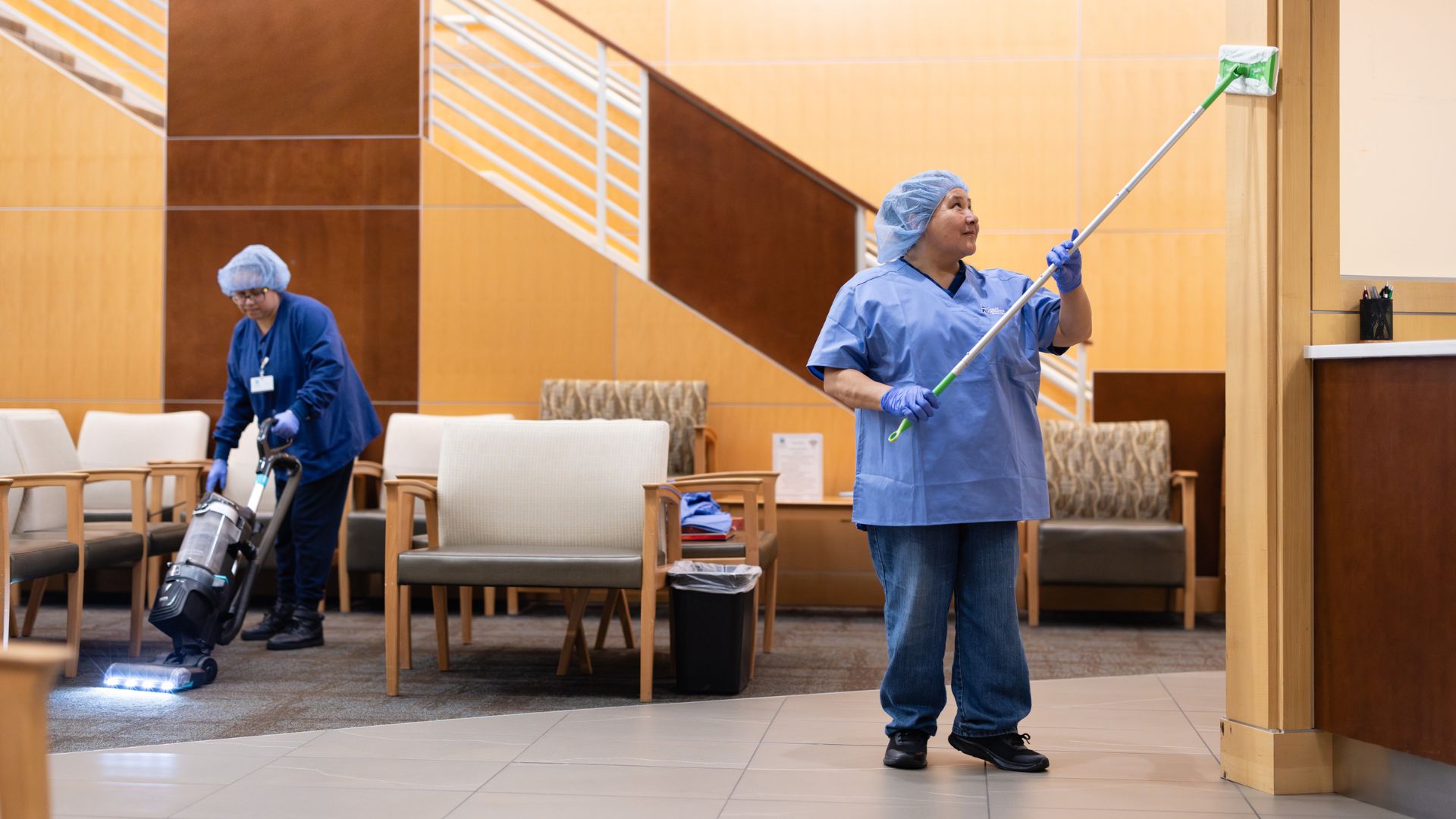
Learn what medical office cleaning costs in the Seattle area, what affects your quote, and how to compare proposals for dependable healthcare cleaning.
Read More
Learn how trained staff, clear protocols, fast response, and documented quality help Seattle healthcare facilities stay clean and ready. Schedule a site walk.
Read MoreLooking for commercial cleaning services in Seattle? Learn how a dependable janitorial partner makes your life easier, from daily cleaning to QA and communication.
Read More
Learn what terminal cleaning means in healthcare, when it is needed, what it includes, and what to require from a medical cleaning vendor.
Read More
Learn what audit-ready healthcare cleaning documentation should include, from schedules and SOPs to training records, QA logs, and corrective actions.
Read More
Learn what HIPAA-compliant cleaning really means for medical offices and clinics, including vendor access rules, privacy safeguards, incident protocols, and what to require.
Read More
Hiring medical office cleaning services in Seattle? Use this checklist for scope, high-touch disinfection, turnover handoffs, logs, and QA. Request a site walk.
Read More
Best practices for clinic cleaning services: high-touch priorities, waiting rooms, restrooms, shared equipment boundaries, and checklists. Request a site walk.
Read More
Hospital janitorial services explained: what EVS covers, what to outsource, scope boundaries, and inspection-ready documentation. Request a walkthrough.
Read MoreGet 100%
Dependable
Cleaning
Make the switch to a professional janitorial team that comes through for you every time. No more missed cleans or constant turnover. Schedule a site walk today and make cleaning stress a thing of the past.