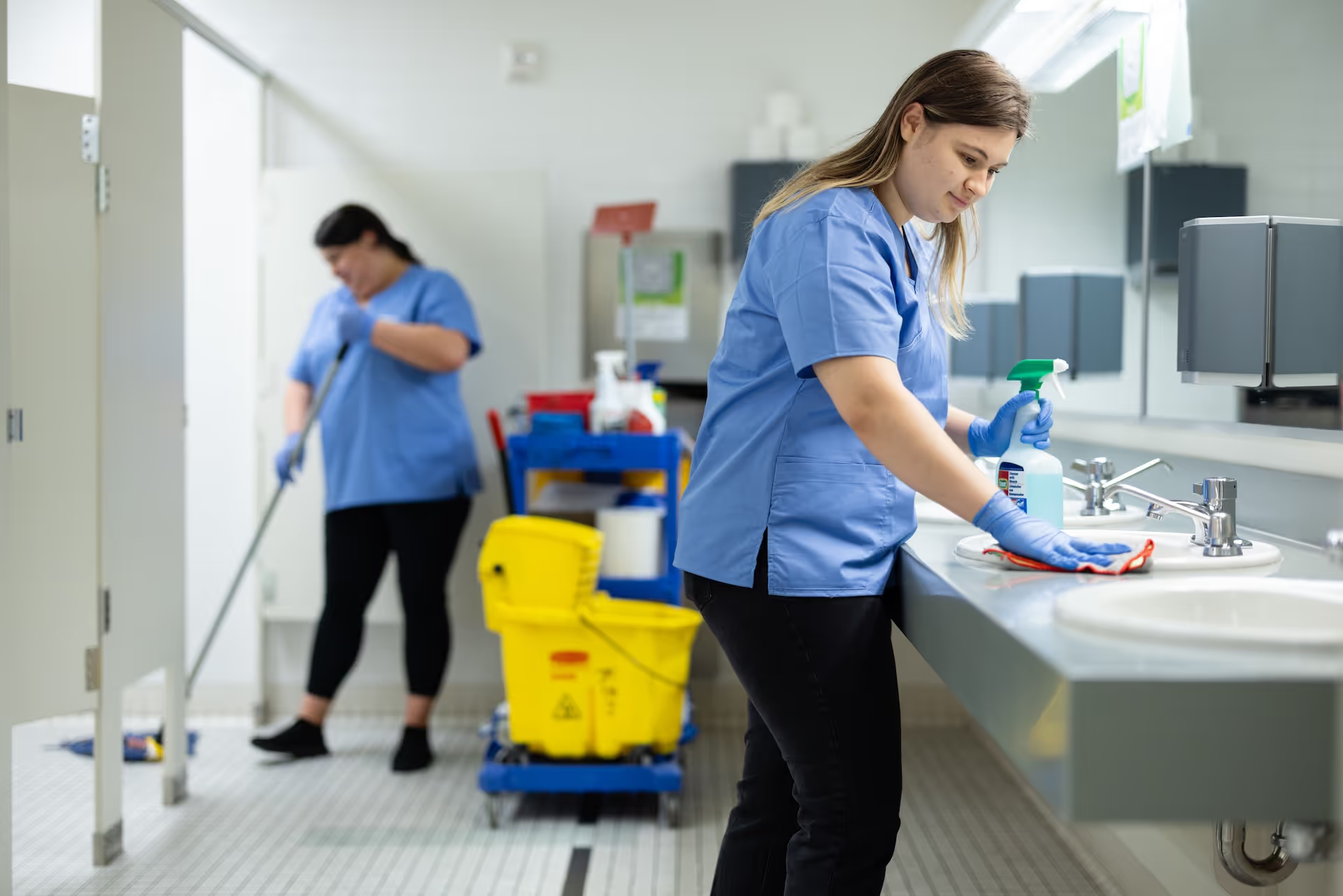
Medical Facility Cleaning in Seattle: What Healthcare Leaders Should Require From a Janitorial Partner
Learn how trained staff, clear protocols, fast response, and documented quality help Seattle healthcare facilities stay clean and ready. Schedule a site walk.

When you manage a medical facility, cleaning should feel like it’s on autopilot.
You’re managing patient flow, staff needs, vendor coordination, facility issues, and the unexpected problems that come up throughout the day. Your janitorial partner should take pressure off your team with rock solid dependability and standards.
When that’s not happening, small issues add up quickly.
Restrooms slip. Waiting areas stop feeling cared for. Staff lose confidence that requests will be handled.
A dependable medical cleaning partner gives you consistency, clear communication, and a plan built around how your facility actually operates.
Here’s what healthcare leaders should require when comparing medical facility cleaning services in Seattle and the Puget Sound region.
What should medical facility cleaning in Seattle include?
Effective medical facility cleaning services should reflect the facility’s services, room types, patient traffic, schedule, and internal policies. The scope needs to be specific enough that everyone understands what gets cleaned, how often, and by whom.
Medical facility cleaning in Seattle may include:
- Waiting-room and reception-area cleaning
- Restroom cleaning and supply restocking
- High-touch surface cleaning and disinfection
- Exam- and treatment-room cleaning, where appropriate
- Staff offices and breakrooms
- Hallways and shared spaces
- Hard-floor and carpet care
- Interior glass
- Waste removal within the agreed scope
- Day porter support
- Periodic deep cleaning
- Quality inspections and documentation
The exact mix will vary, but the fundamentals stay the same: clear responsibilities, trained staff, dependable service, and a fast response when something changes.
Why medical facilities need specialized janitorial service
Healthcare environments bring higher expectations for consistency, communication, and attention to detail. Cleaning also has to fit around patients, clinical teams, restricted areas, and busy operating schedules.
A healthcare cleaning partner should understand how to work with:
- Facility-approved products and procedures
- Room-specific cleaning expectations
- Patient and clinical schedules
- Restricted or sensitive areas
- Documentation requirements
- Changing daily needs
- Urgent requests
- Security and access protocols
A generic checklist leaves too much room for assumptions. Facility leaders should also review a vendor’s healthcare cleaning standards and compliance practices before approving the scope.
Different medical facilities need different cleaning plans
A medical office, urgent care center, and surgery center may all serve patients, but their cleaning needs can look very different. A capable vendor should understand those differences before recommending staffing, frequency, or scope.
Medical offices and specialty clinics
Medical offices and specialty clinics usually need dependable daily cleaning across waiting rooms, exam spaces, restrooms, staff areas, floors, and high-touch surfaces. The cleaning team also needs to work around appointments without disrupting patients or clinical staff.
Consistency matters here. When the same cleaners know the facility, they’re more likely to recognize priorities, follow established routines, and flag anything unusual.
Urgent care and high-traffic outpatient facilities
Urgent care centers often deal with unpredictable patient volume, busy waiting rooms, frequent restroom use, and unexpected cleaning needs. These facilities may benefit from daytime service in addition to evening cleaning.
A day porter can help manage spills, restroom touch-ups, trash, entryways, and other needs before they become distractions for the clinical team.
Surgery centers and procedural facilities
Surgery centers and procedural facilities require clearly assigned responsibilities, close coordination, dependable supervision, and detailed cleaning procedures for procedural and recovery areas.
Depending on facility policy and room use, the scope may include terminal cleaning and other specialized services. The vendor should be able to explain who handles each task, when it happens, and how completion is documented.
Medical office buildings
Medical office buildings often include shared lobbies, elevators, common restrooms, tenant suites, and several types of healthcare practices under one roof.
The cleaning plan should define which areas fall under building management, which belong to individual tenants, and how service requests move between them. Clear boundaries prevent missed work and confusion.
What should be included in a medical cleaning scope of work?
A clear scope gives the facility and cleaning team a shared standard. It also makes it easier to inspect the work, address problems, and adjust service as the facility changes.
A medical cleaning scope should define:
- Areas included and excluded
- Required tasks in each area
- Cleaning frequency
- High-touch surfaces
- Approved products
- Restroom and supply responsibilities
- Floor-care expectations
- Waste-handling responsibilities
- Daytime and after-hours coverage
- Security and access procedures
- Quality inspections
- Documentation requirements
- Urgent-request procedures
- Escalation and corrective action
This is where the walkthrough becomes essential. The cleaning company should see the facility, understand how each space is used, and ask enough questions to build an accurate plan.
What should you require from a medical cleaning company?
A strong vendor should be able to explain how they’ll support your facility in practical terms. Look beyond the service list and pay attention to experience, staffing, communication, quality control, and follow-through.
Relevant healthcare cleaning experience
Ask what types of medical facilities the company currently serves and how its approach changes from one setting to another.
An experienced provider should be comfortable discussing exam rooms, waiting areas, procedural spaces, high-touch surfaces, approved products, documentation, and coordination with facility staff. Clear, specific answers are a good sign.
Trained and dependable staff
Consistency helps cleaners learn the facility, understand priorities, and recognize when something needs attention. It also reduces the time your team spends explaining the same expectations to new people.
Facility leaders should know:
- How cleaners are trained
- Who supervises the team
- How absences are covered
- How replacement staff are prepared
- How often staffing changes
- Who to contact with questions
Reliable staffing gives the cleaning program a stronger foundation. It also makes quality easier to maintain over time.
Clear communication
You shouldn’t have to send repeated messages to get a straightforward issue resolved. Your cleaning company should provide a clear point of contact and a dependable process for both routine and urgent requests.
Good communication usually includes:
- Quick acknowledgment
- Clear ownership
- A realistic timeline
- Follow-up when the work is complete
Healthcare schedules can change quickly. A responsive vendor helps your team adapt without turning each request into another management task.
Quality checks and documentation
Regular inspections help catch missed tasks before they become recurring problems. Documentation gives facility leaders visibility without requiring them to supervise every detail.
Depending on the facility, that may include:
- Site-specific checklists
- Supervisor inspections
- Issue logs
- Corrective-action records
- Communication notes
- Training records, where relevant
- Updates after scope changes
For a closer look, see what audit-ready healthcare cleaning documentation should include, from cleaning schedules and checklists to training records and corrective actions.
The paperwork should be useful and easy to review. It should help answer basic questions about what was completed, what was found, and what happened next.
Flexibility when needs change
Medical facilities rarely operate under perfectly predictable conditions. Appointments run late, patient traffic increases, rooms change use, and unexpected cleaning needs come up.
A dependable partner should be able to adjust for:
- Schedule changes
- Higher patient volume
- Spills and urgent needs
- Special events
- New spaces
- Temporary coverage
- Expanded services
Flexibility works best when responsibilities and communication channels are already clear.
Why responsiveness matters in healthcare cleaning
When something changes, facility leaders need to know the request has been seen and someone is taking care of it. Slow or unclear communication creates extra work for clinic managers, facilities teams, and front-line staff.
A strong response process includes:
- Acknowledgment
- A clear plan
- A realistic timeline
- Confirmation when the work is complete
Kelly Building Maintenance has built its medical cleaning approach around this kind of follow-through. The goal is to give healthcare teams a partner they can reach, rely on, and trust to handle the details.
Questions to ask before hiring a medical janitorial company in Seattle
The right questions will tell you more than a polished sales presentation. Ask for specific answers about how the company will operate after the contract is signed.
- What types of medical facilities do you currently clean?
- How do you build a site-specific scope?
- How are cleaners trained for healthcare environments?
- Who supervises the cleaning team?
- How do you cover absences or missed shifts?
- How do you handle urgent requests?
- What documentation and quality checks do you provide?
- Can you follow our facility-approved products and procedures?
- Do you offer day porter and after-hours service?
- How do you adjust the scope when our needs change?
A capable medical cleaning company should welcome these questions. Detailed answers now can prevent frustration later.
Red flags to watch for
A low quote can become expensive when the service leads to complaints, repeated corrections, or more work for your team. Pay close attention to how thoroughly the company prepares and communicates before service begins.
Watch for:
- No site walkthrough
- Limited healthcare experience
- A generic scope
- Vague answers about training
- No clear supervisor
- No quality-control process
- Slow communication
- No plan for urgent requests
- Constantly changing staff
- Pricing based only on square footage
A thoughtful sales process often reflects a thoughtful service process. The company should show that it understands the responsibility that comes with working in a medical environment.
How to choose the right medical facility cleaning partner in Seattle
The right partner should give your team confidence and make the facility easier to manage. Relevant experience matters, but so do staffing stability, communication, quality control, and the willingness to learn your operation.
Seattle-area medical facilities may also need support with:
- Urban access and parking
- Building security
- After-hours schedules
- Multiple locations
- Rainy entryways
- High foot traffic
- Regional healthcare networks
The best place to start is a site walk. A thorough walkthrough gives the cleaning company a chance to understand your spaces, schedule, priorities, access requirements, and current service gaps before recommending a plan.
A dependable cleaning program starts with a clear plan
Medical facility cleaning should give your team peace of mind. You should know who’s responsible, what’s being completed, and how quickly someone will respond when needs change.
Look for a partner that understands healthcare environments, communicates clearly, documents the work, and follows through consistently. That kind of cleaning program can reduce complaints, improve accountability, and take one more responsibility off your team’s daily list.
Kelly Building Maintenance provides healthcare-focused janitorial services for medical facilities throughout Seattle and Western Washington.
Request a site walk to build a cleaning plan around your facility, schedule, and standards.
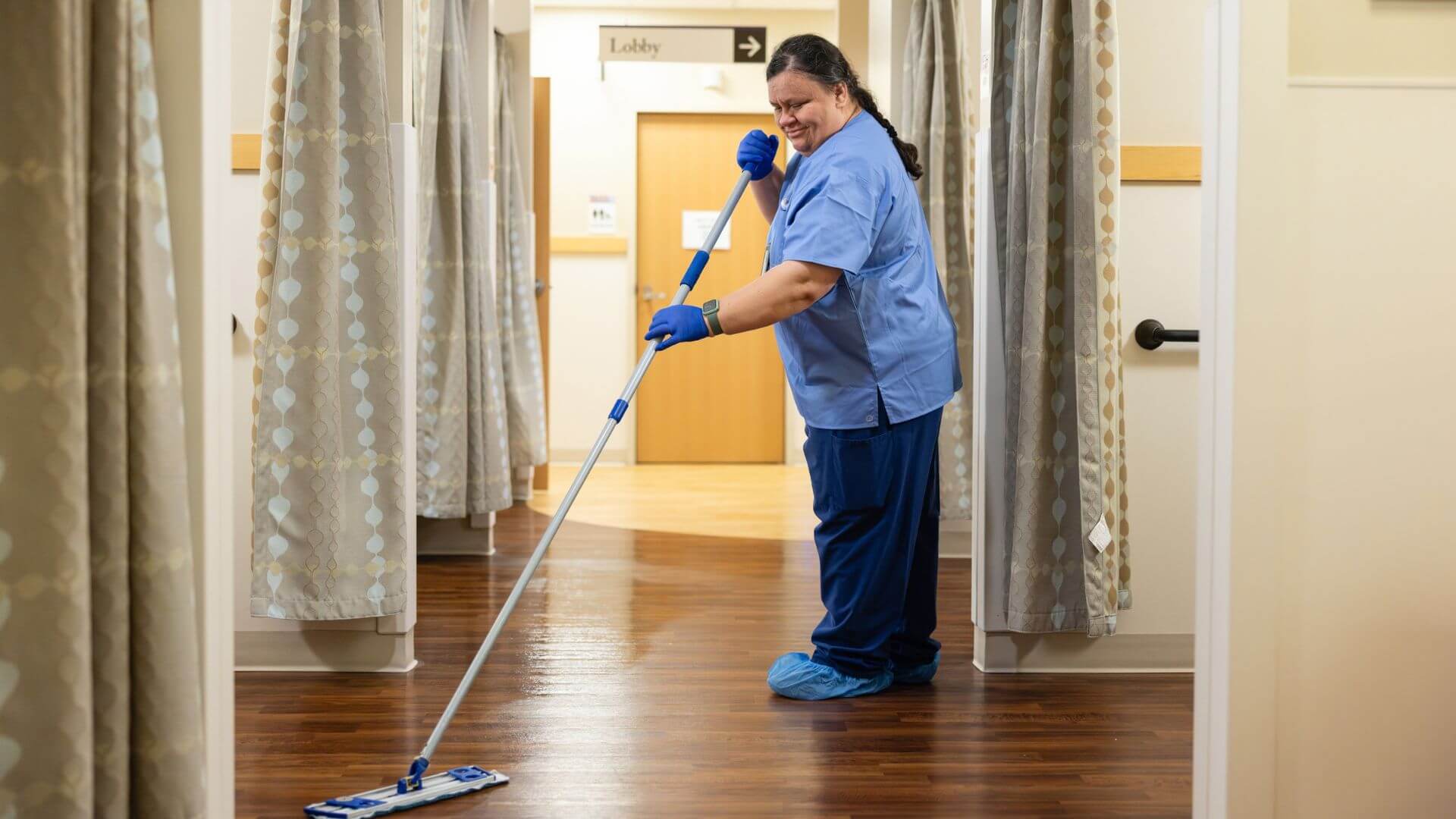
Understand healthcare cleaning standards in Washington, what your janitorial team should document, and how to verify consistent cleaning and disinfection.
Read More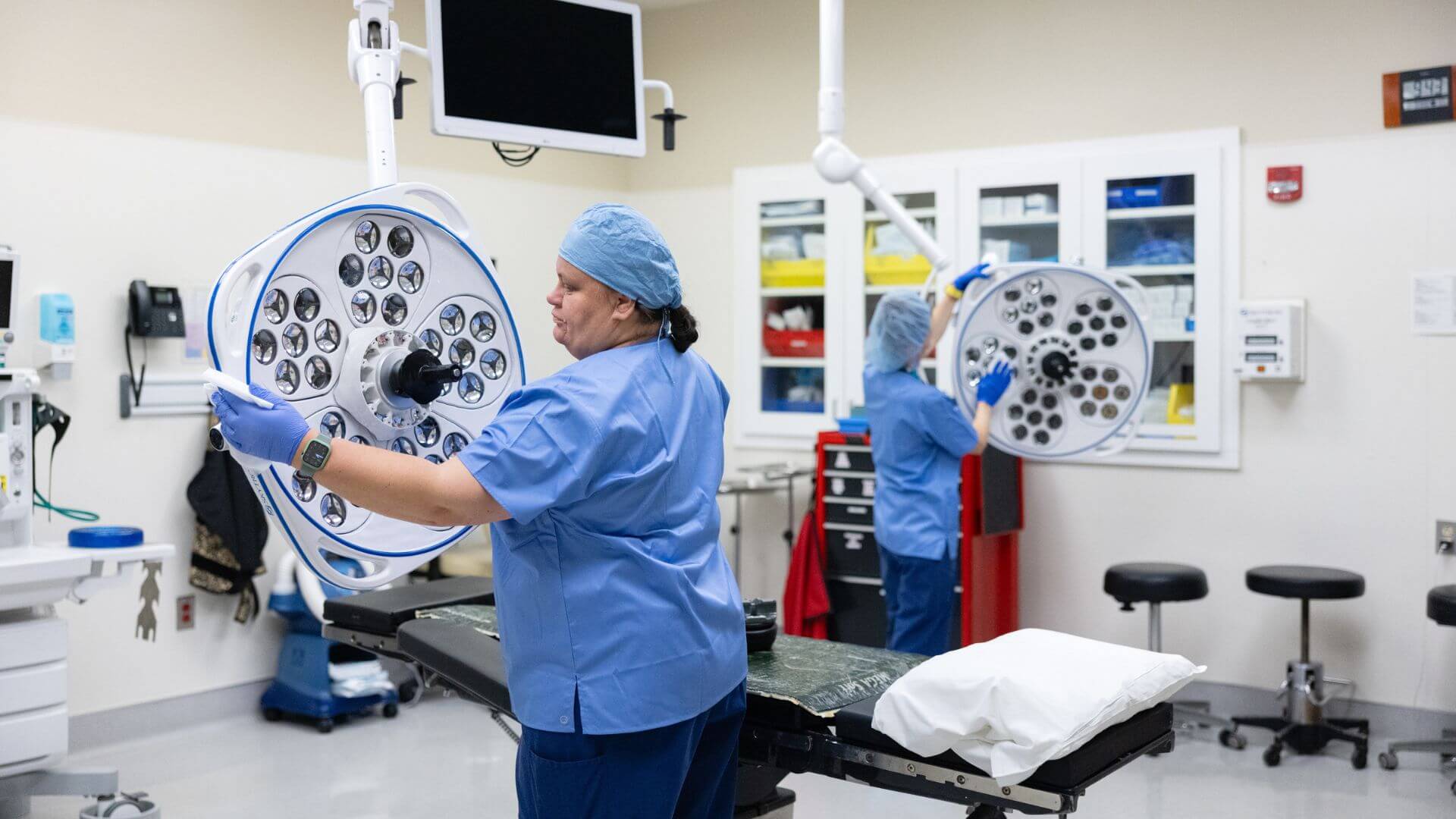
Learn what ambulatory surgery center cleaning should include, how to define responsibilities, and what to require for reliable, audit-ready service.
Read More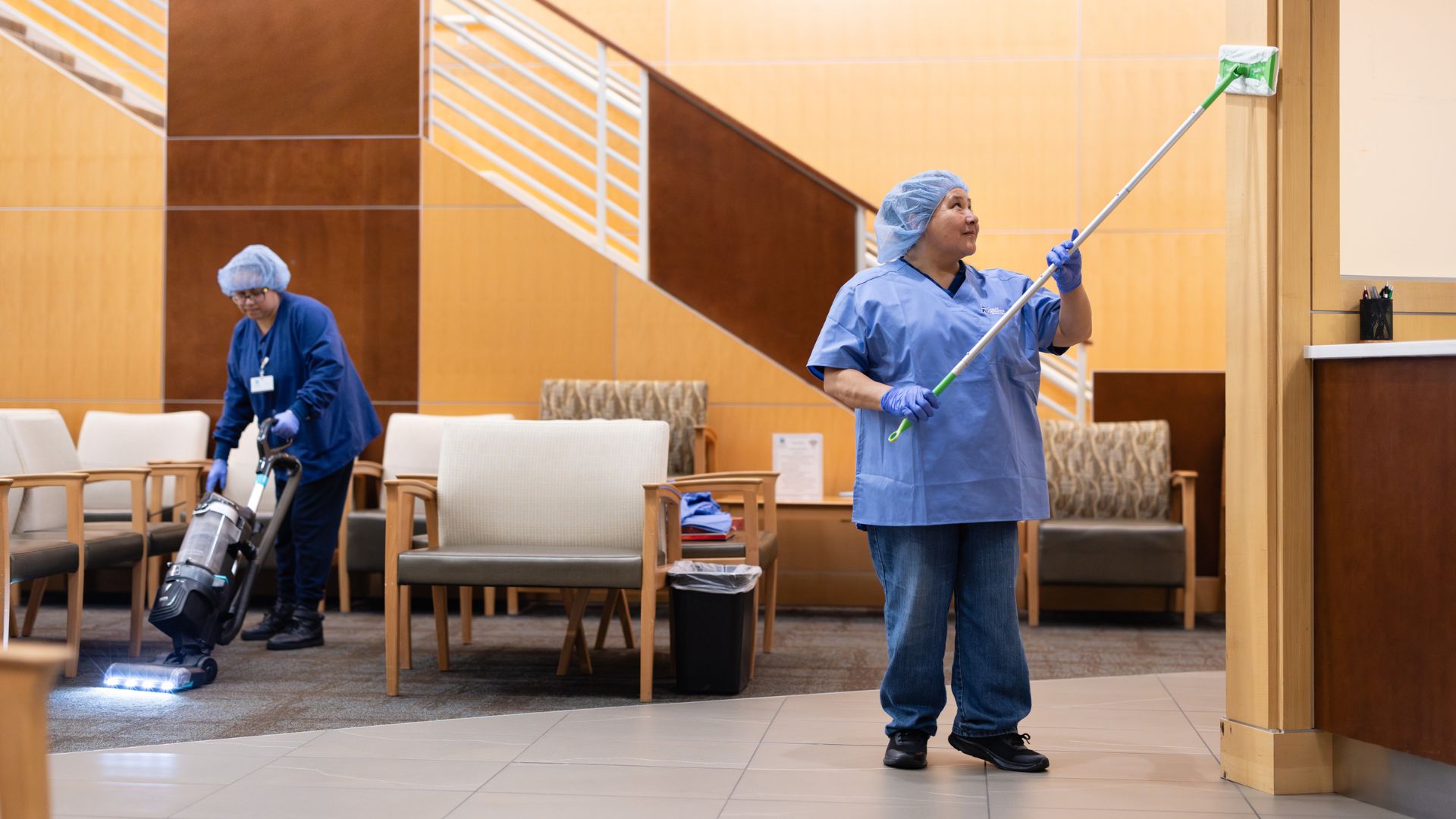
Learn what medical office cleaning costs in the Seattle area, what affects your quote, and how to compare proposals for dependable healthcare cleaning.
Read MoreLearn how trained staff, clear protocols, fast response, and documented quality help Seattle healthcare facilities stay clean and ready. Schedule a site walk.
Read More
Looking for commercial cleaning services in Seattle? Learn how a dependable janitorial partner makes your life easier, from daily cleaning to QA and communication.
Read More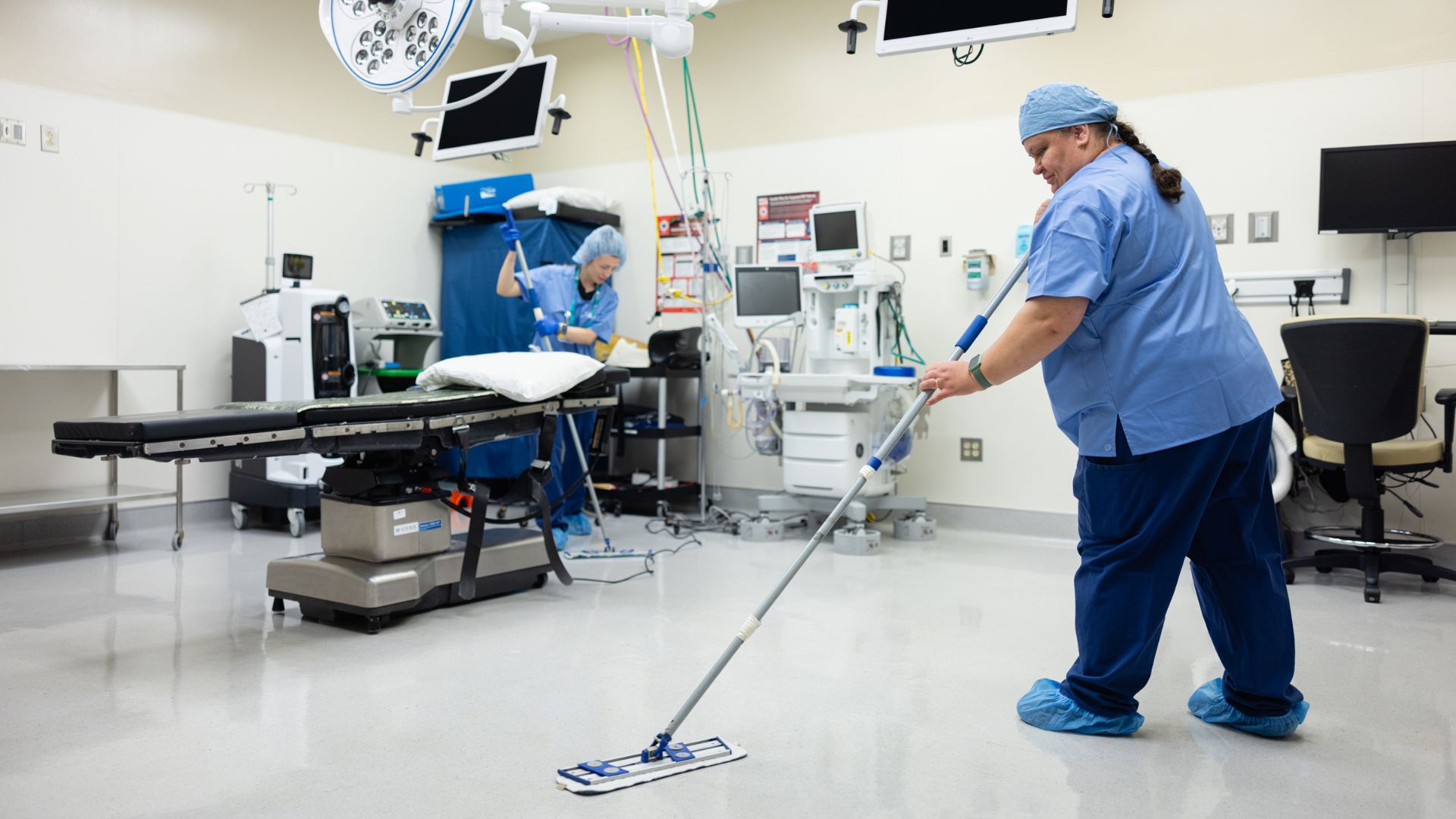
Learn what terminal cleaning means in healthcare, when it is needed, what it includes, and what to require from a medical cleaning vendor.
Read More
Learn what audit-ready healthcare cleaning documentation should include, from schedules and SOPs to training records, QA logs, and corrective actions.
Read More
Learn what HIPAA-compliant cleaning really means for medical offices and clinics, including vendor access rules, privacy safeguards, incident protocols, and what to require.
Read More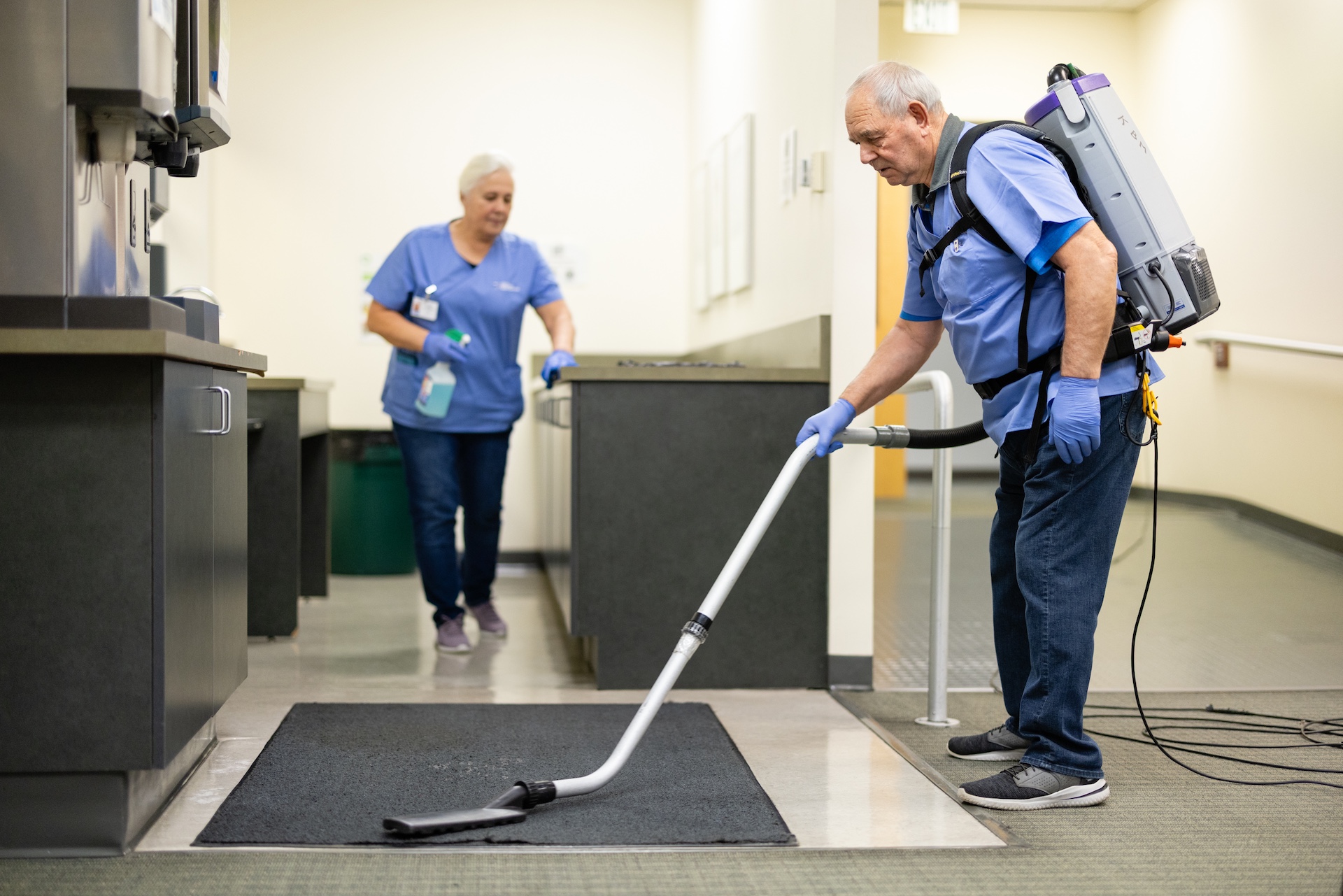
Hiring medical office cleaning services in Seattle? Use this checklist for scope, high-touch disinfection, turnover handoffs, logs, and QA. Request a site walk.
Read More
Best practices for clinic cleaning services: high-touch priorities, waiting rooms, restrooms, shared equipment boundaries, and checklists. Request a site walk.
Read More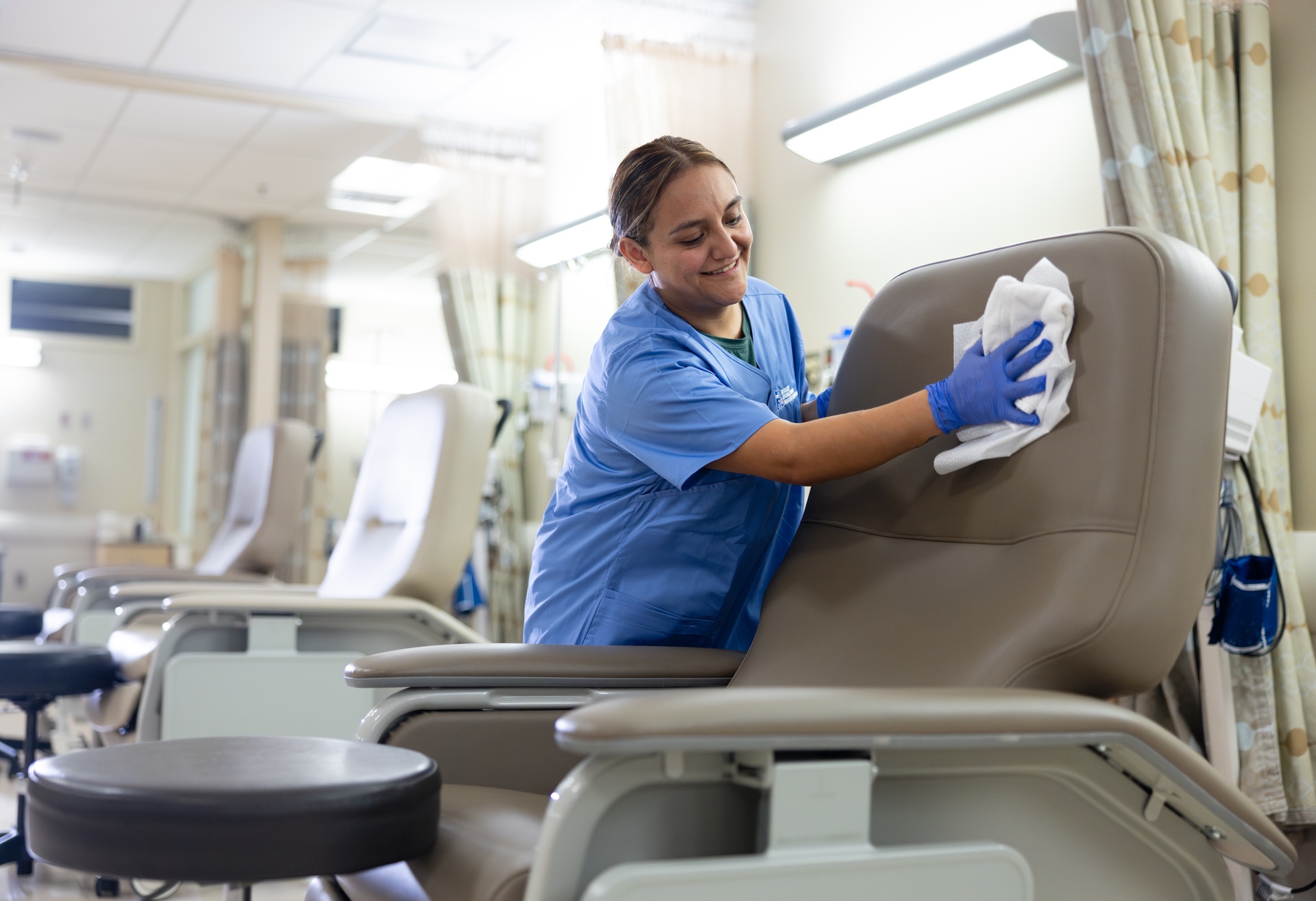
Hospital janitorial services explained: what EVS covers, what to outsource, scope boundaries, and inspection-ready documentation. Request a walkthrough.
Read MoreGet 100%
Dependable
Cleaning
Make the switch to a professional janitorial team that comes through for you every time. No more missed cleans or constant turnover. Schedule a site walk today and make cleaning stress a thing of the past.