Healthcare Cleaning Standards for Washington Facilities
Understand healthcare cleaning standards in Washington, what your janitorial team should document, and how to verify consistent cleaning and disinfection.
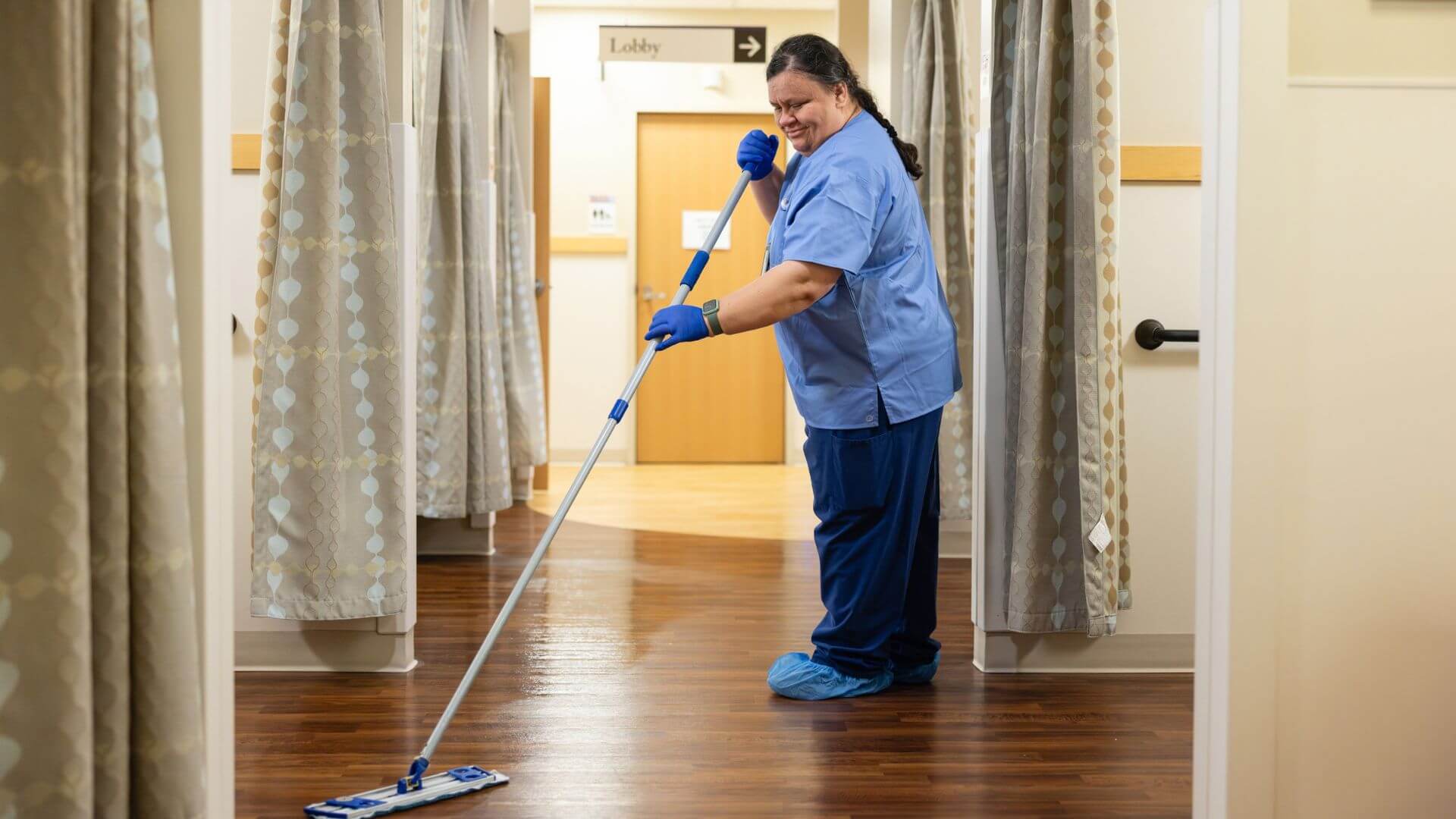
Your cleaning standards don’t change when a janitor calls out sick. You’re still responsible for getting patient areas ready and making sure the right cleaning and disinfection procedures are followed.
Those procedures are there for a reason.
Healthcare cleaning standards combine infection-prevention, workplace and facility requirements, disinfectant-label directions, and your own approved procedures. A dependable janitorial vendor turns those requirements into a written scope, trained staff, clear responsibilities, and work you can verify across rooms and shifts.
Kelly Building Maintenance has delivered 100% dependable healthcare facility cleaning to hospitals, clinics, and medical office buildings throughout Seattle and the South Sound.
This guide helps you identify which requirements apply to your facility and how they should be carried out.
Healthcare cleaning standards that apply in Washington
Several sources shape a healthcare cleaning program. They serve different purposes, and your facility’s infection-prevention lead should help identify the requirements that belong in your scope.
CDC infection prevention guidance
The CDC’s core infection-prevention practices call for cleaning based on patient contact and soiling, with more frequent attention to high-touch surfaces near patients. They also address staff training, monitoring, and proper use of cleaning and disinfecting products.
For a buyer, the useful question is how those practices translate into procedures for your rooms.
EPA disinfectant directions
EPA-registered disinfectants have approved directions for use, including where they can be used and which pathogens they’re effective against. The label also specifies contact time: how long the surface must remain visibly wet.
Ask how staff follow those directions during actual cleaning, including product dilution and surface compatibility.
Washington workplace and facility rules
For work covered by Washington’s bloodborne-pathogen rules, WAC 296-823-14055 requires a written cleaning and decontamination schedule based on location, surface, contamination, and the work performed. It also addresses decontamination after contact with blood or other potentially infectious materials.
Washington’s hospital and ambulatory surgical facility licensing rules require infection-control programs that address housekeeping, disinfectant use, and daily and periodic cleaning.
Federal participation and accreditation requirements
Facilities participating in Medicare or Medicaid must meet the applicable CMS Conditions of Participation or Conditions for Coverage.
Accredited facilities also need to account for their accreditor’s requirements. If you use Joint Commission accreditation, consult the current standards for your program.
Have your vendor work from your facility’s approved policies. A general statement about “following healthcare standards” needs to be backed by site-specific procedures.
What those standards mean for daily cleaning
A useful cleaning plan connects each requirement to a task, a responsible person, and a way to check completion.
A written scope and cleaning schedule
Define what gets cleaned in each area, how often, and what triggers additional attention. Include waiting areas, restrooms, patient rooms, procedure areas, and staff spaces as applicable.
Frequently touched surfaces need particular attention. Door hardware, bed rails, chair arms, and shared counters may have different cleaning needs from low-touch surfaces.
Include periodic floor care and detail cleaning in the scope, with frequencies based on surface condition and facility policy. This helps you compare complete programs and identify work that’s priced separately.
Build the schedule around room use and patient risk. Between-patient tasks, spill response, and end-of-day cleaning need clear assignments; a nightly visit can’t cover tasks that arise during patient care.
Correct product use
Cleaning removes soil and organic material. Disinfection addresses microorganisms on surfaces. Staff need to follow the product’s instructions for both steps, including any precleaning requirements.
Products also need to suit the surface or equipment being cleaned. Your team should know where approved products can be used and how to achieve the required contact time.
For example, a turnover window that’s shorter than the disinfectant’s required contact time needs to be resolved with your infection-prevention team before it becomes routine.
Trained staff and dependable coverage
Training should cover the facility’s procedures, protective equipment, product use, and measures to prevent cross-contamination. Before someone works independently, they should understand the areas and tasks they’re assigned.
Ask what happens when a regular cleaner calls out. A replacement needs access to the same procedures and training. Your facility also needs a clear contact for urgent requests and a plan for work that can’t wait until the next scheduled visit.
Clear responsibilities around clinical tasks
Put equipment cleaning, sharps, regulated waste, isolation areas, and spill response responsibilities in writing.
For shared devices, specify who cleans them, when, and which manufacturer instructions apply. Define what staff should do when they find an unattended sharp or encounter a task outside their training and scope.
Patient privacy and access rules also belong in the plan. Our HIPAA-compliant cleaning guide explains that part of the vendor relationship.
How cleaning requirements change by facility
The care delivered in a room helps determine its cleaning needs.
Hospitals: Patient rooms, isolation areas, and public spaces have different risks and workflows. The plan needs to coordinate routine cleaning, room turnover, discharge cleaning, and urgent requests with the hospital’s environmental services and clinical teams.
Surgery centers: Surgical and procedure areas need clearly defined cleaning before, between, and after use, following facility protocols. Assign responsibilities for turnover and end-of-day work so the clinical and janitorial teams know who handles each task. See our terminal cleaning guide for more detail.
Outpatient and specialty clinics: Match the schedule to patient volume, procedures, and shared equipment. Exam-room tasks between patients need a defined owner, alongside the vendor’s scheduled cleaning. Urgent care surges or late-running appointments may call for additional coverage.
Use the same approach across a medical group: consistent expectations, with documented adjustments for each site’s services and layout.
How to verify your healthcare cleaning program
Ask your vendor for examples of how it documents and checks the work. Useful evidence includes:
- A room-specific scope with frequencies and assigned responsibilities.
- Staff training records tied to the work they perform.
- Completion records for tasks your facility needs to track.
- Supervisor inspection records and follow-up on missed tasks.
- A clear process for reporting problems and escalating urgent needs.
Our healthcare cleaning documentation guide explains these records in more detail.
Include periodic observation of the work in your quality checks. That gives you a way to assess actual product use, cleaning sequence, and contact time alongside completion records.
During a walkthrough, choose one task and follow it through: the written procedure, the assigned staff member, the completion record, and the quality check. If something was missed, ask how it was corrected and who confirmed the correction.
For procurement teams, this makes proposals easier to compare. You can evaluate the scope, staffing coverage, and oversight behind the price.
It also gives facility leaders a way to check whether the agreed program is being carried out consistently. Review the plan when procedures, products, room use, or service needs change.
Healthcare cleaning standards FAQ
Do all healthcare facilities need Joint Commission accreditation
No. Joint Commission isn’t the only accreditation route, and its standards don’t automatically apply to every medical office. Identify your facility’s licensing, participation, and accreditation requirements, then reflect the applicable requirements in its cleaning policies.
Is a hospital grade disinfectant enough to meet healthcare cleaning requirements
A product alone can’t establish compliance. It needs to be suitable for the intended use and relevant pathogens, applied according to its label, and used within a cleaning program that follows the facility’s procedures. Staff training and oversight still matter.
Does janitorial cleaning include sterilizing medical instruments
Environmental cleaning and instrument sterilization are different processes. Instruments requiring sterilization need validated reprocessing procedures and appropriately trained personnel. Don’t assume those services are included in a janitorial contract. Specify equipment and instrument responsibilities before work begins.
Review your cleaning needs with KBM
Kelly Building Maintenance provides healthcare cleaning services for facilities in Seattle, Kitsap, and the South Sound, with healthcare-trained janitors and dependable coverage. Our compliance practices include site protocols, supervisor checks, and cleaning documentation.
If you’re reviewing your janitorial program or considering a new provider, schedule a free site walk. We’ll review your clinical areas, documentation, and service gaps so you can discuss a cleaning scope that fits your facility.
Understand healthcare cleaning standards in Washington, what your janitorial team should document, and how to verify consistent cleaning and disinfection.
Read More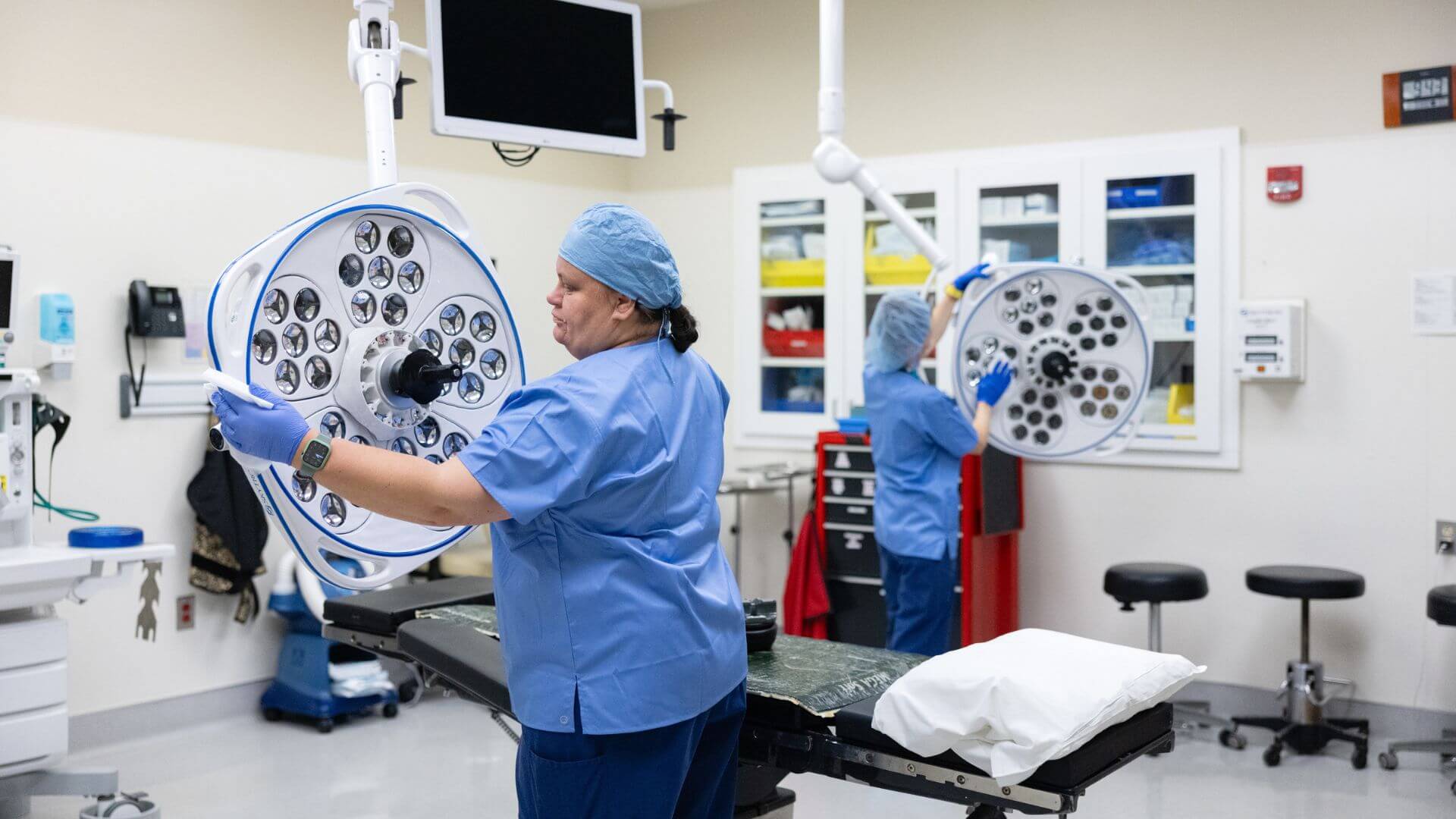
Learn what ambulatory surgery center cleaning should include, how to define responsibilities, and what to require for reliable, audit-ready service.
Read More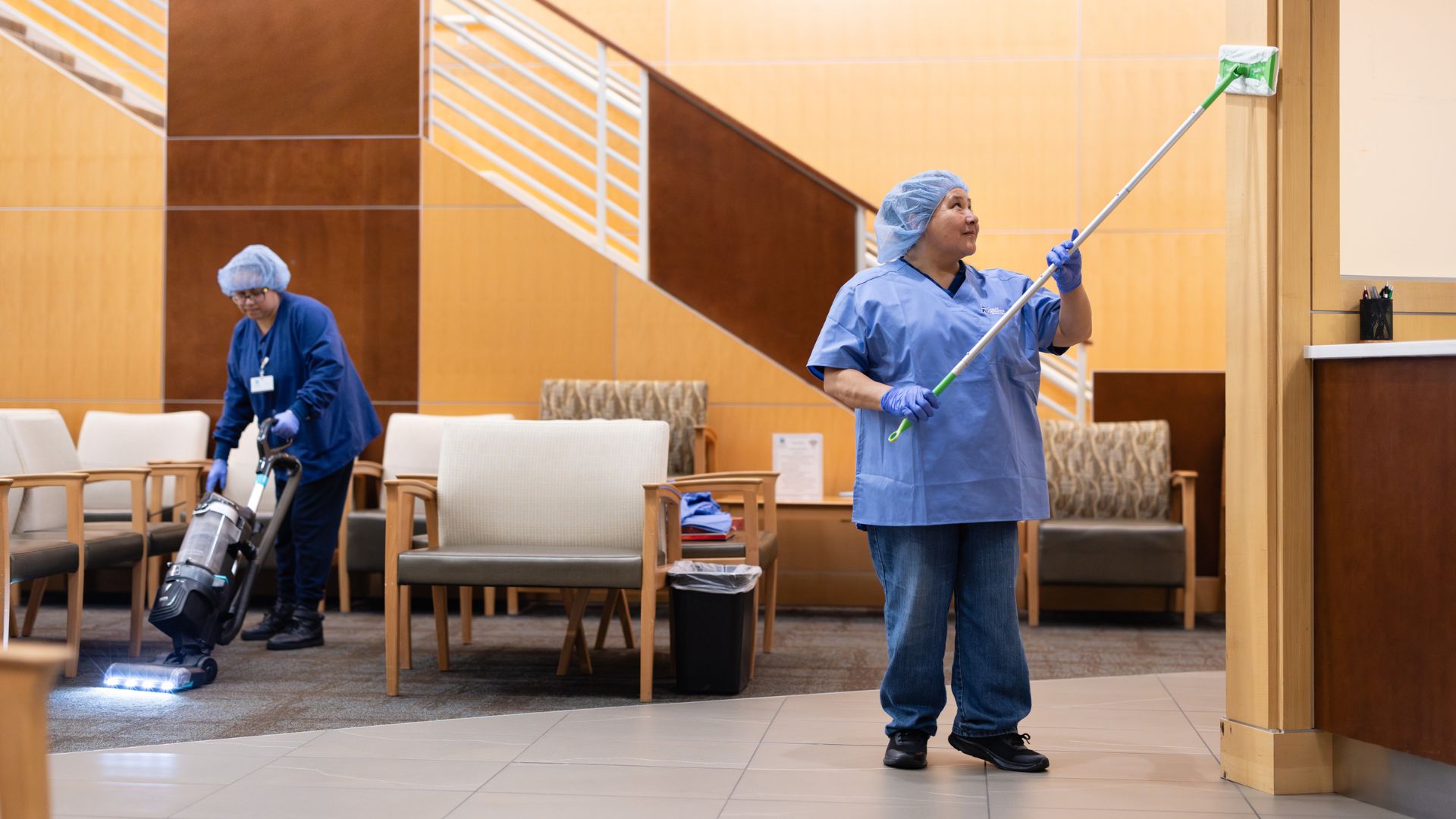
Learn what medical office cleaning costs in the Seattle area, what affects your quote, and how to compare proposals for dependable healthcare cleaning.
Read More
Learn how trained staff, clear protocols, fast response, and documented quality help Seattle healthcare facilities stay clean and ready. Schedule a site walk.
Read More
Looking for commercial cleaning services in Seattle? Learn how a dependable janitorial partner makes your life easier, from daily cleaning to QA and communication.
Read More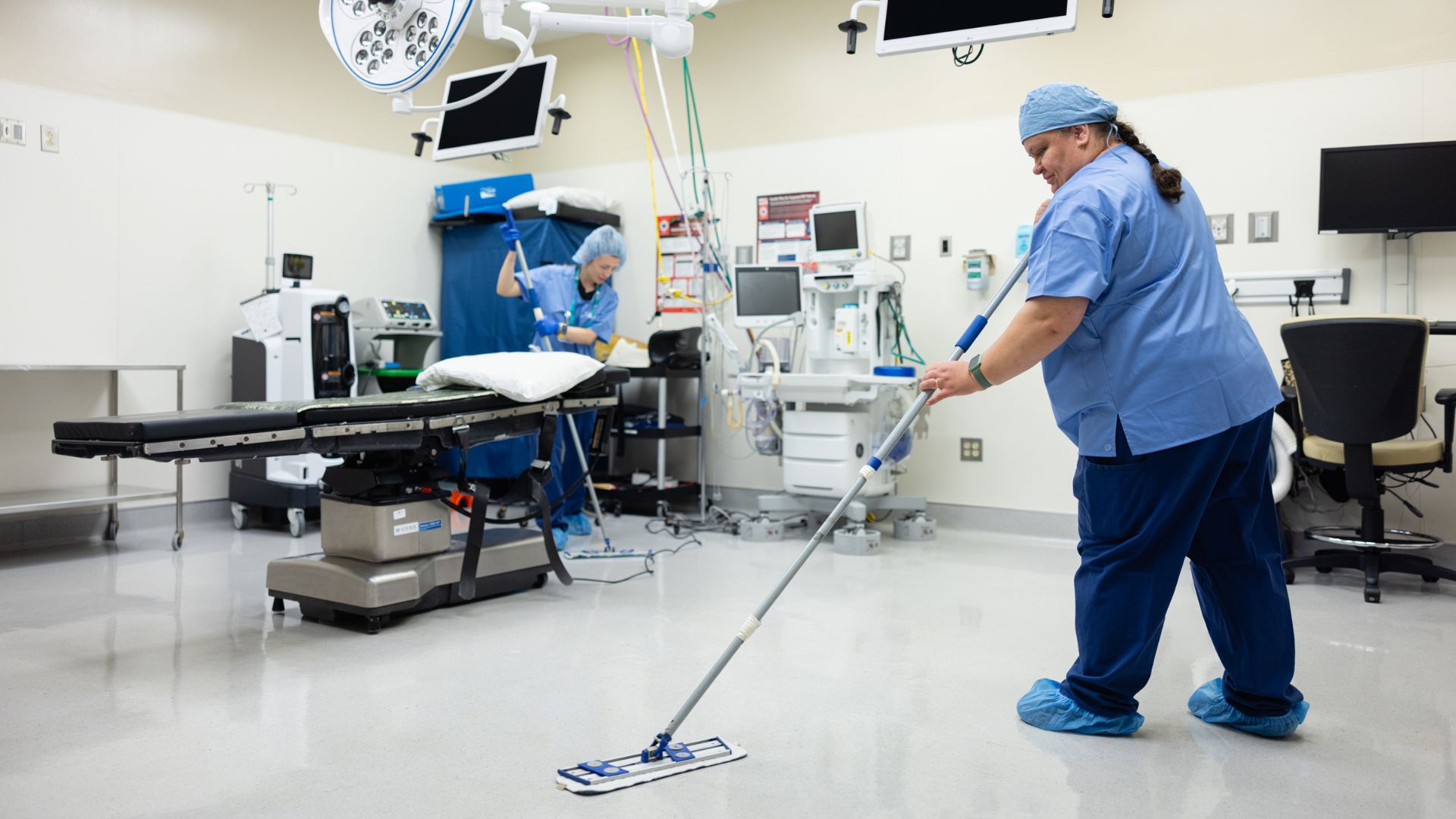
Learn what terminal cleaning means in healthcare, when it is needed, what it includes, and what to require from a medical cleaning vendor.
Read More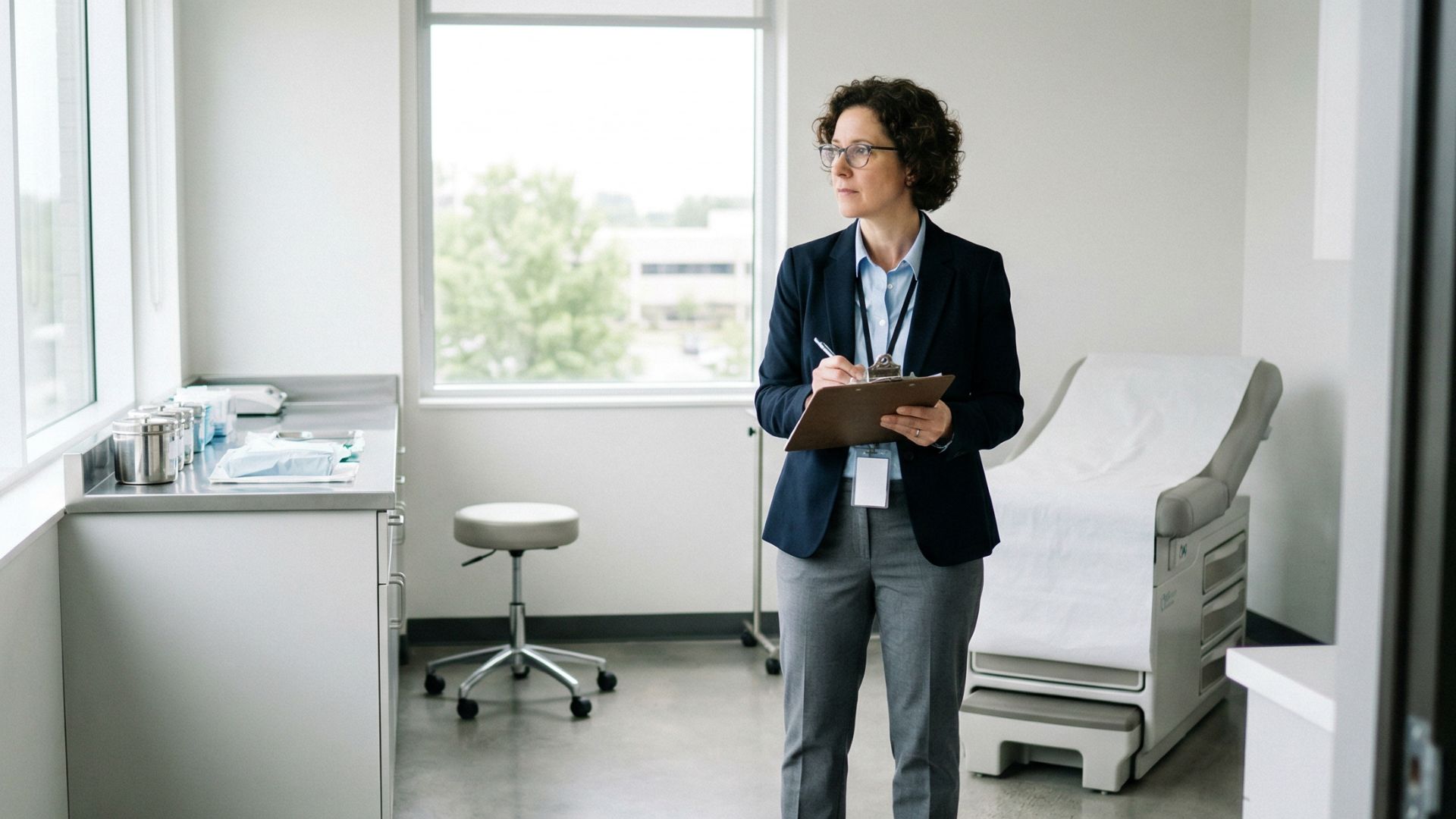
Learn what audit-ready healthcare cleaning documentation should include, from schedules and SOPs to training records, QA logs, and corrective actions.
Read More
Learn what HIPAA-compliant cleaning really means for medical offices and clinics, including vendor access rules, privacy safeguards, incident protocols, and what to require.
Read More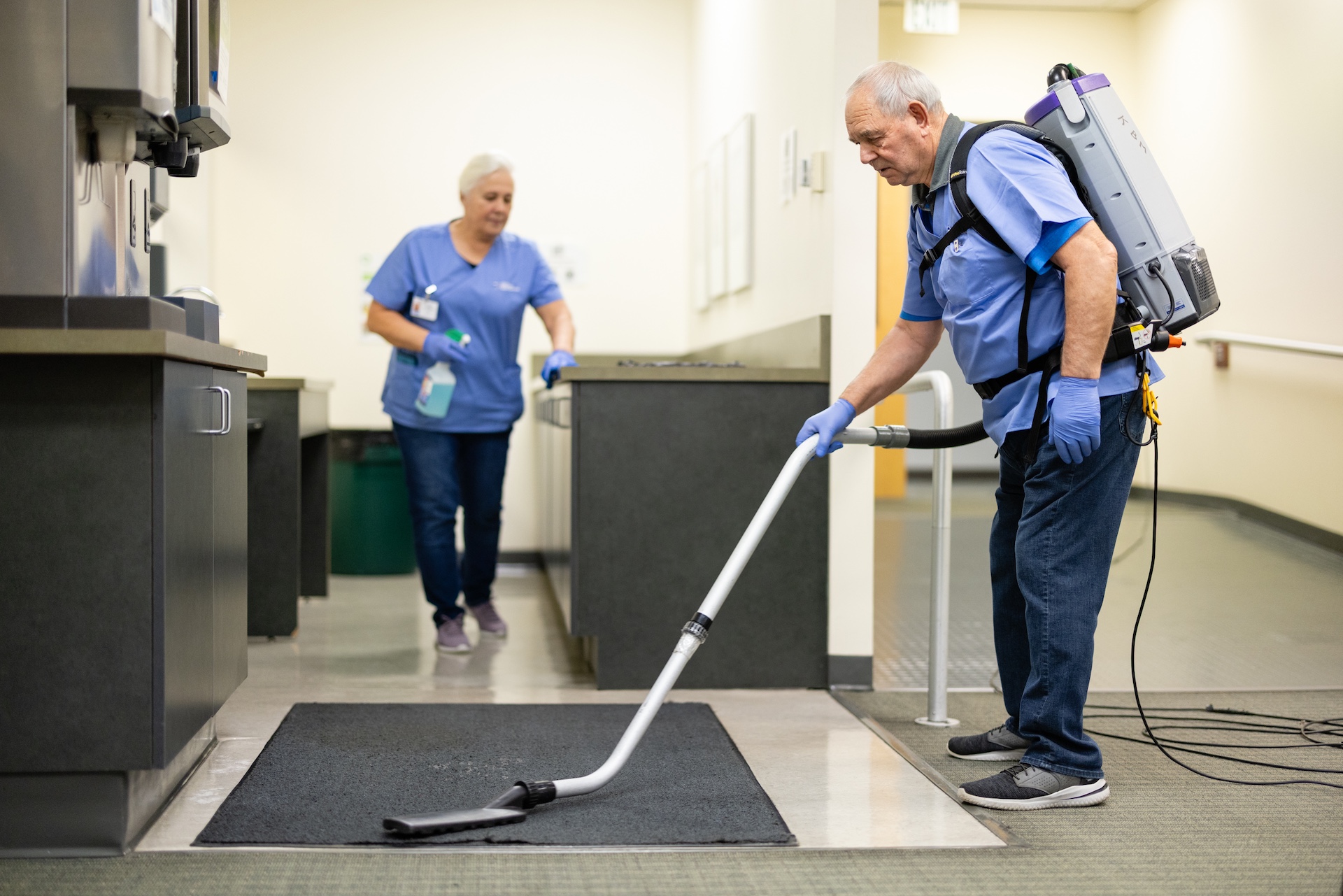
Hiring medical office cleaning services in Seattle? Use this checklist for scope, high-touch disinfection, turnover handoffs, logs, and QA. Request a site walk.
Read More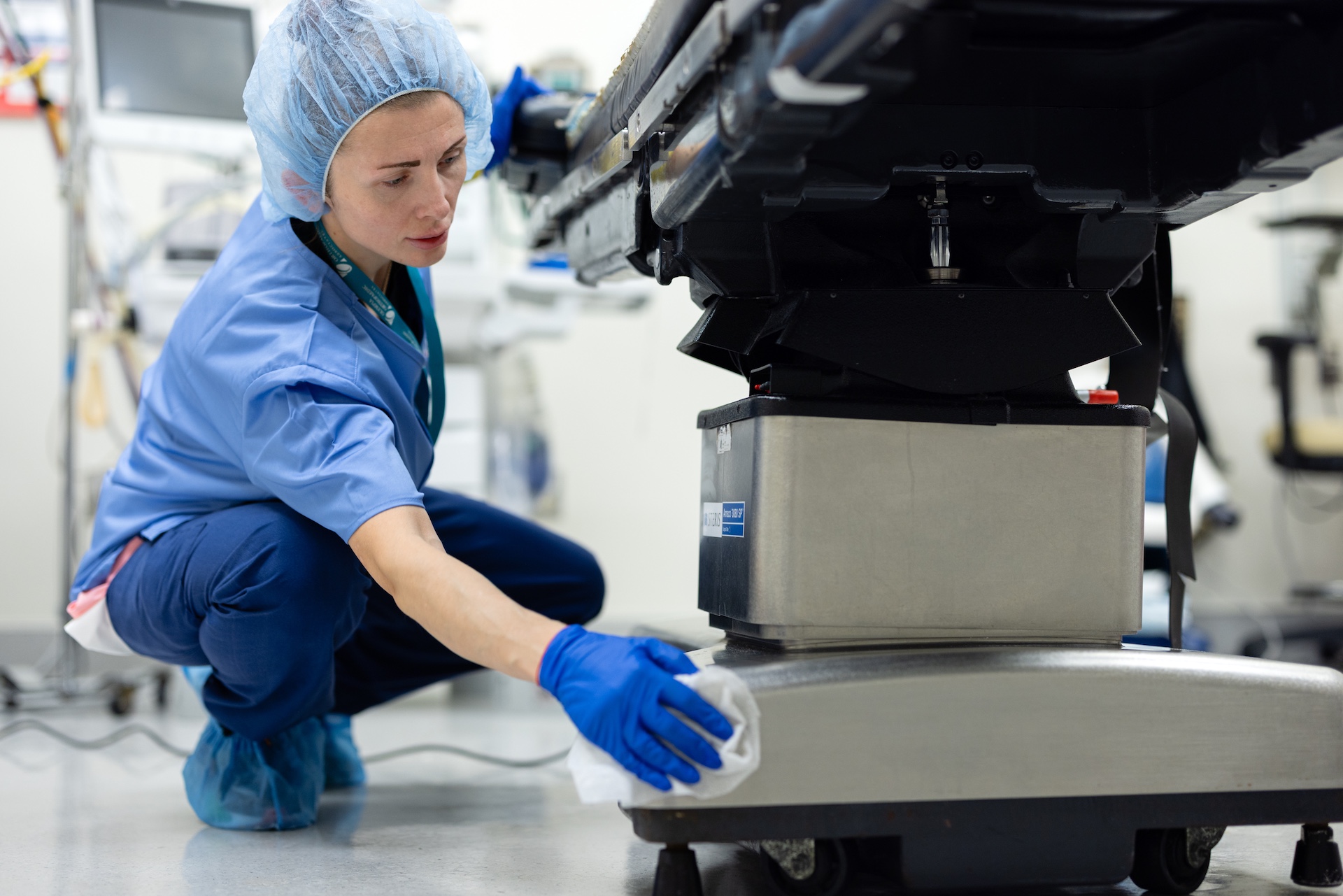
Best practices for clinic cleaning services: high-touch priorities, waiting rooms, restrooms, shared equipment boundaries, and checklists. Request a site walk.
Read More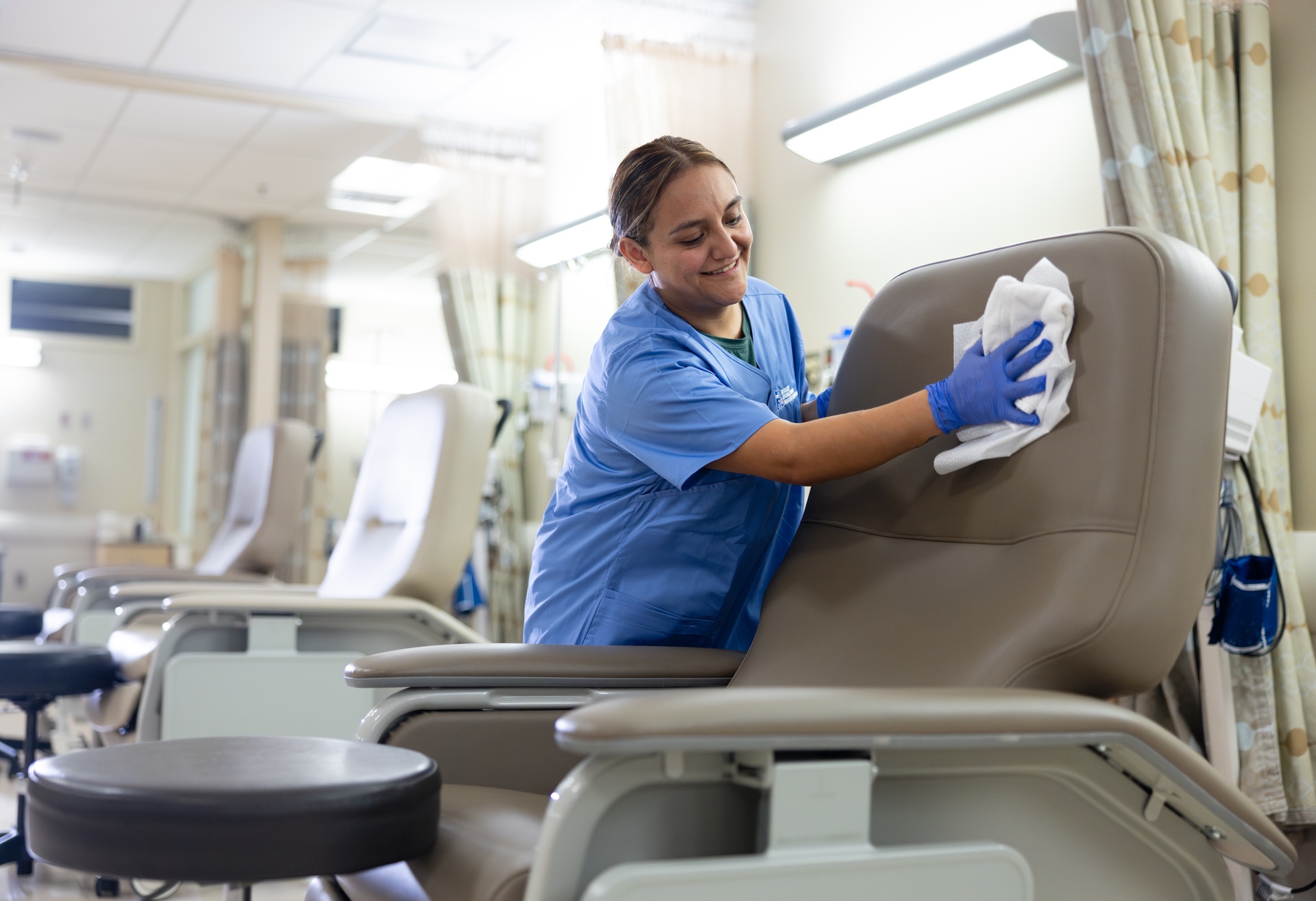
Hospital janitorial services explained: what EVS covers, what to outsource, scope boundaries, and inspection-ready documentation. Request a walkthrough.
Read MoreGet 100%
Dependable
Cleaning
Make the switch to a professional janitorial team that comes through for you every time. No more missed cleans or constant turnover. Schedule a site walk today and make cleaning stress a thing of the past.