Medical Office Building Cleaning: Who Cleans What?
Know what medical office building cleaning should include, who handles shared spaces and tenant suites, and what to require from your janitorial partner.

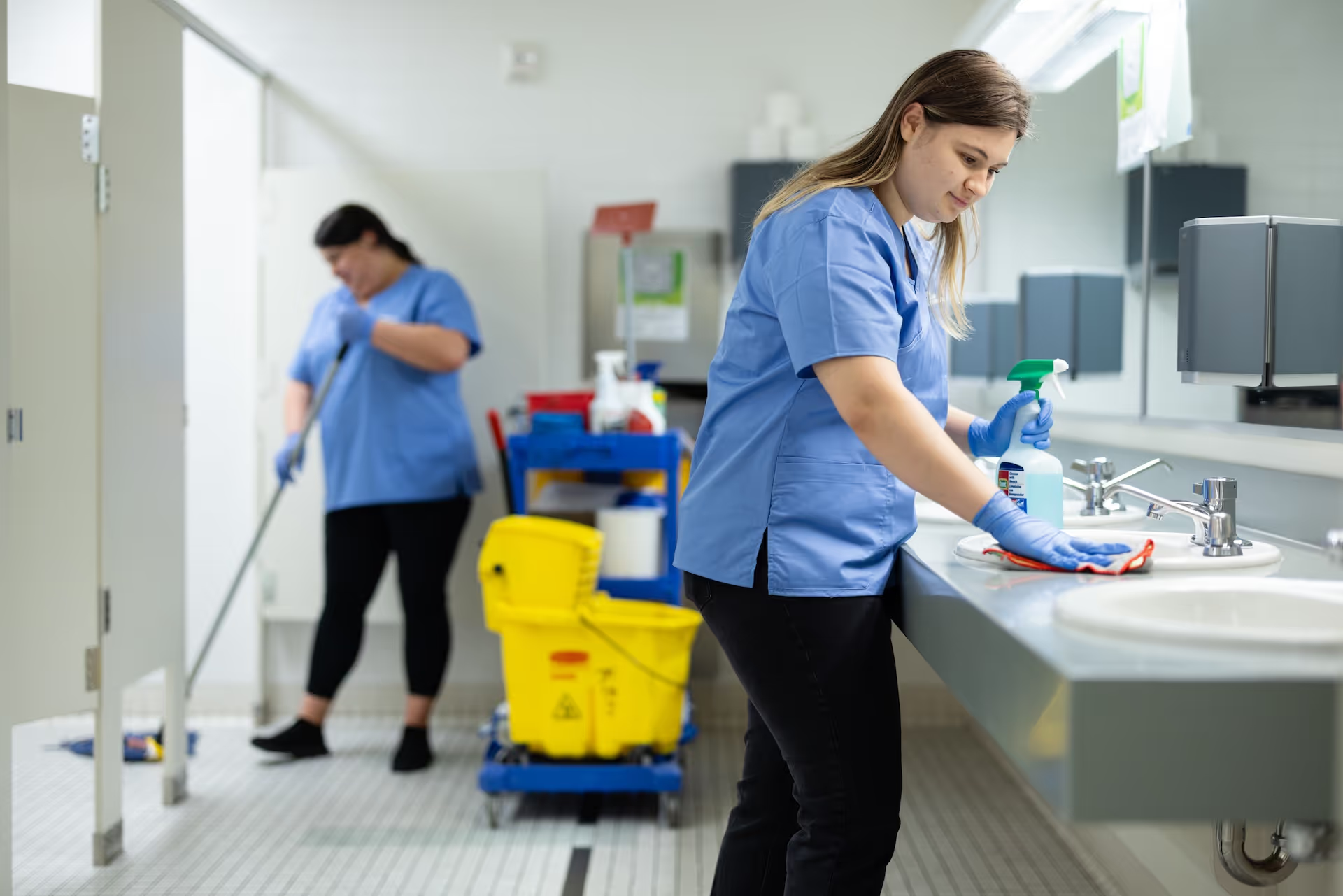
The shared restroom needs attention. The nearest practice assumes the building will handle it. Building management assumes the tenant has it covered.
Meanwhile, patients keep using it.
Medical office building cleaning works best when nobody has to guess who’s responsible. A functional plan assigns every space the right cleaning tasks, frequency, and responsible party.
We’ve cleaned medical office buildings throughout Seattle, Tacoma, and the South Sound. For the property and facility managers we work with who oversee multiple medical tenants, the goal is simple: dependable cleaning across the building, without constant calls about who’s responsible for what.
Here’s a straightforward guide to making that happen. If you’d like a free assessment of your medical office building cleaning needs, book a free site walk.
What does medical office building cleaning include?
Medical office building cleaning covers shared spaces and, when contracted, areas inside individual practices. The written scope should identify exactly which rooms, surfaces, and tasks are included.
Typical areas to address include:
- Entrances and lobbies: Entry glass, mats, floors, seating, and frequently touched surfaces.
- Elevators, stairs, and corridors: Buttons, handrails, door handles, and floor cleaning.
- Shared restrooms: Fixtures, touchpoints, floors, waste removal, and agreed supply replenishment.
- Tenant suites: Reception areas, staff spaces, private restrooms, and clinical rooms within the approved scope.
- Periodic floor care: Scheduled carpet cleaning or hard-floor care appropriate to the flooring.
Medical building cleaning is one part of building maintenance. It doesn’t automatically include HVAC service, plumbing repairs, or other work on building systems. Likewise, cleaning a treatment room doesn’t automatically include reprocessing the instruments used there.
KBM’s medical facility cleaning services include medical office building common areas, clinical spaces, day porter support, and floor care. The site-specific scope determines which services your building receives.
Who cleans common areas, tenant suites, and clinical spaces?
Responsibilities should follow the building’s agreements, each practice’s cleaning scope, and applicable facility policies. There isn’t one universal division that works for every medical office building.
Building management coordinates shared spaces
Building management commonly arranges cleaning for spaces used by multiple tenants, such as the lobby, elevators, corridors, and common restrooms.
Walk those areas with the cleaning provider and name the boundaries. A restroom beside a clinic’s entrance may serve the whole floor or belong exclusively to that practice. Its location alone doesn’t tell the crew which agreement covers it.
Management should also establish how tenants report common-area concerns and who authorizes work beyond the existing scope.
Individual practices coordinate cleaning inside their suites
A practice may hire its own provider or receive suite cleaning through a building-wide arrangement. Either way, its rooms and tasks need to be listed explicitly.
A common-area contract shouldn’t be assumed to cover reception desks, breakrooms, private restrooms, or exam rooms behind a tenant’s door. The practice also needs to communicate access restrictions and operating hours.
For a closer look at cleaning inside individual medical offices, review the room-by-room scope with the practice manager before service begins.
Clinical teams establish patient-care responsibilities
Each practice’s clinical or infection-prevention lead should confirm who handles between-patient cleaning, medical equipment, and tasks requiring specialized procedures.
These tasks may be assigned to trained clinical staff, trained cleaning personnel, or both. The key is an explicit assignment. CDC’s outpatient guidance calls for cleaning responsibilities to be assigned to appropriately trained personnel and for cleaning practices to be monitored.
For example, an urgent care practice stays open after the other tenants close. Its patients still use the shared restroom, but the common-area crew normally arrives earlier. The plan should identify who checks that restroom during the remaining hours, who performs the final clean, and how staff request help if a problem occurs.
How often should shared areas be cleaned?
Cleaning frequency should reflect traffic, operating hours, surface use, visible soil, and the needs of the people using the space. A single nightly visit may leave gaps in a busy building that serves patients throughout the day.
CDC’s healthcare guidance supports routine and targeted cleaning based on patient contact and soiling, with more frequent attention to frequently touched surfaces in patient-care environments. It doesn’t establish one blanket schedule for every shared space in a medical office building.
Build the schedule around three types of work:
- Daytime attention: Restroom checks, supply replenishment, entryway soil, waste, and reported messes.
- After-hours cleaning: More complete routines when spaces are accessible and patient activity has slowed.
- Periodic care: Carpet extraction, hard-floor maintenance, and other scheduled detail work.
Then test the schedule against actual conditions. Are restroom supplies running out before afternoon appointments? Does wet weather leave the entrance dirty by midmorning? Does one tenant operate on weekends?
Those observations help identify where coverage needs adjusting. Include an agreed response process for urgent contamination or spills so they aren’t left until the next routine visit.
What should a building-wide cleaning scope specify?
A useful scope names the spaces, work, timing, and people responsible. It should let building management, tenants, and cleaners answer the same questions without relying on verbal agreements.
Before comparing proposals, check these six items.
1. Covered spaces and boundaries
List common areas and participating tenant suites by name or room number. Identify private restrooms, shared waiting areas, connecting corridors, and restricted rooms.
A marked floor plan can make boundaries easier to understand than a broad phrase such as “all public areas.”
2. Tasks, methods, and frequency
Specify what happens in each area and when. Separate routine cleaning, required disinfection, daytime checks, and periodic floor care.
Where disinfection is required, account for correct product use. EPA guidance explains that surfaces should remain visibly wet for the product’s specified contact time. A quick wipe isn’t necessarily a completed disinfection task.
3. Responsible parties and handoffs
Identify who performs each task, who checks completion, and who handles needs between scheduled visits.
Pay particular attention to surfaces or spaces shared by tenants. Assign responsibility for shared equipment explicitly rather than assuming the person cleaning the room also cleans every device in it.
4. Access and tenant operating hours
Document keys, badges, alarms, lock-up procedures, and rooms that require permission to enter.
Include late appointments, weekend operations, and what happens when a room is still occupied at the scheduled cleaning time. Specify how missed access is reported and how the work is rescheduled.
5. Supplies, waste, and exclusions
Clarify who buys consumables, where they’re stored, and who replenishes dispensers.
Separate ordinary trash from sharps and regulated medical waste. Name excluded equipment and specialized tasks, and identify the appropriate contact when a cleaner encounters something outside their training or scope.
6. Reporting and escalation
Set a clear route for routine requests, urgent concerns, and unresolved issues. Identify who can approve additional work and how completion is confirmed.
Require useful records of inspections and corrective actions. KBM’s guide to evaluating a medical cleaning partner explains the role of communication, documentation, and follow-through.
How do you keep service dependable across tenants?
Dependability requires backup coverage, a clear contact person, consistent inspections, and follow-through on unresolved issues.
Ask how replacement cleaners learn your building’s access rules and tenant-specific instructions. Backup staffing only solves the problem if the person covering the shift knows what to do.
Give tenants a straightforward reporting process, with a defined route for urgent concerns. Keep open issues visible until someone confirms they’re resolved. If the same complaint keeps returning, review the scope, staffing, or schedule instead of treating each report as an isolated problem.
Review the plan when a practice moves in, expands its hours, or changes how it uses a room.
KBM’s published approach includes healthcare-trained janitors, built-in backup coverage, and documented quality control. During a site walk, ask how those capabilities would support your building’s tenant mix and operating schedule.
Frequently asked questions about medical building cleaning
Does a medical building’s cleaning contract cover tenant suites?
Only if the agreement includes them. A contract for shared spaces may stop at each tenant’s entrance. Check the written scope for suite numbers, covered rooms, tasks, and frequency. If tenants arrange their own cleaning, clarify where their provider’s responsibilities meet those of the building’s provider.
Can one cleaning company handle common areas and medical offices?
Yes, provided it has the training, staffing, access, and procedures appropriate to each space. Using one provider can simplify coordination, but it doesn’t remove the need for clear boundaries. Confirm the scope for each practice, how additional requests are approved, and whether services require separate agreements or billing.
When does a medical office building need a day porter?
Consider daytime support when restrooms need repeated attention, supplies run out before closing, or traffic creates recurring cleaning needs between evening visits. Another sign is staff repeatedly interrupting their work to handle cleaning requests. Match the porter’s hours and duties to those observed needs; daytime service should complement the rest of the cleaning plan.
Build a cleaning plan that covers the whole building
Your tenants shouldn’t have to chase down a cleaner or debate whose contract covers a shared restroom. Clear responsibilities and dependable coverage give everyone a better way to work.
Kelly Building Maintenance serves medical facilities across Seattle, Tacoma, Kitsap, and the South Sound.
Schedule a free site walk to review your shared spaces, tenant boundaries, operating hours, and cleaning needs. It’s a practical starting point for identifying gaps and defining the right scope for your building.
Know what medical office building cleaning should include, who handles shared spaces and tenant suites, and what to require from your janitorial partner.
Read More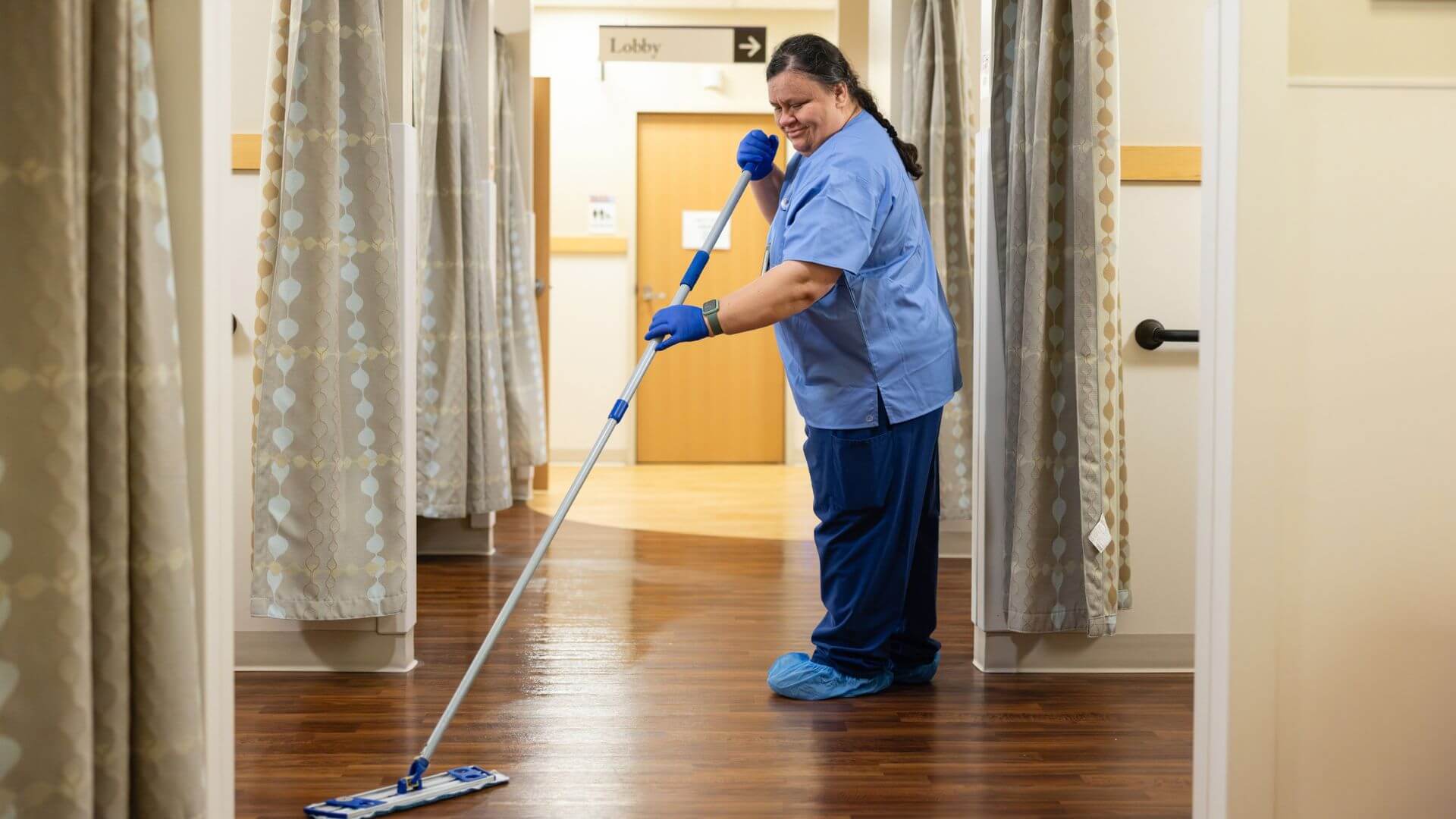
Understand healthcare cleaning standards in Washington, what your janitorial team should document, and how to verify consistent cleaning and disinfection.
Read More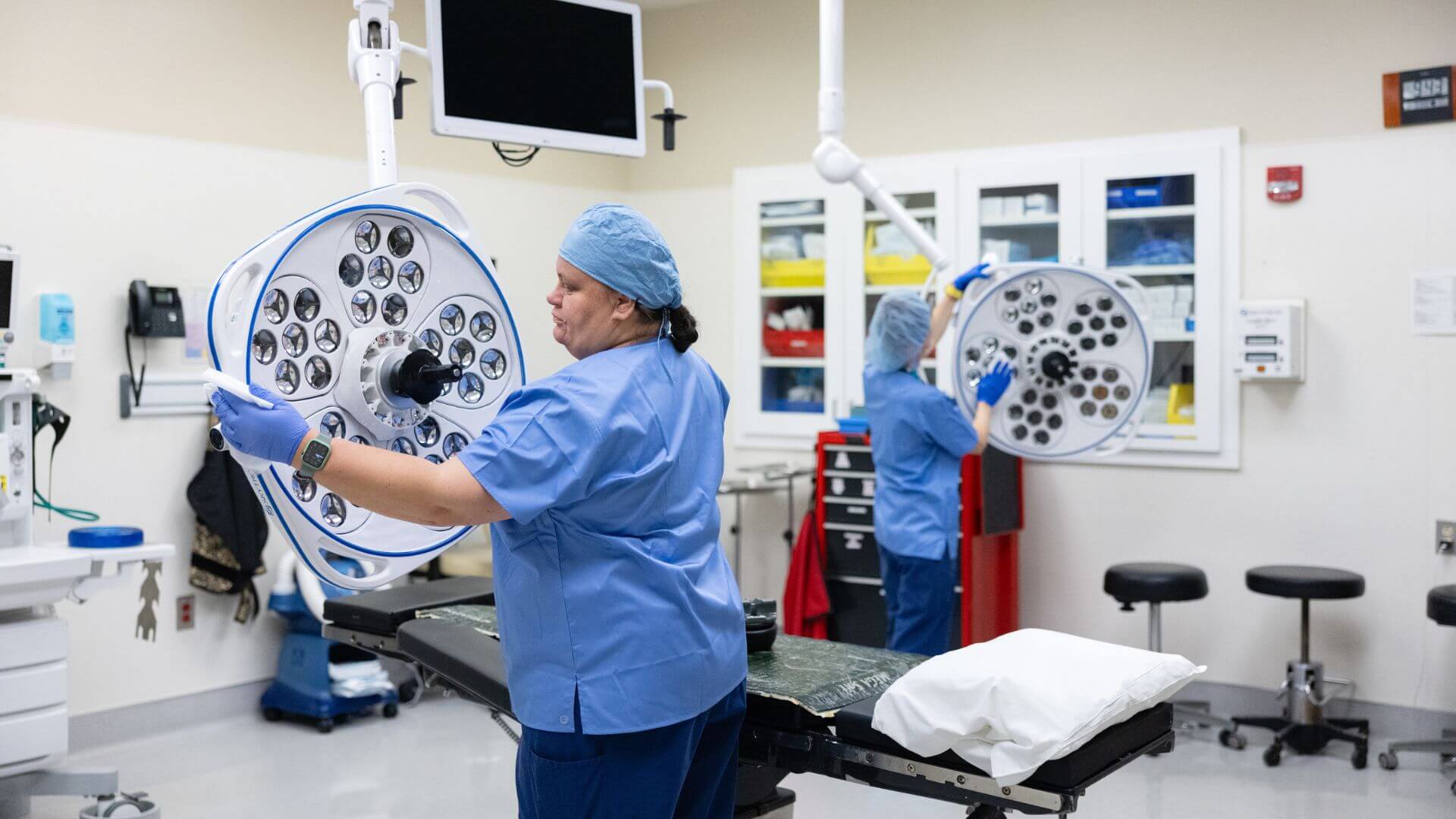
Learn what ambulatory surgery center cleaning should include, how to define responsibilities, and what to require for reliable, audit-ready service.
Read More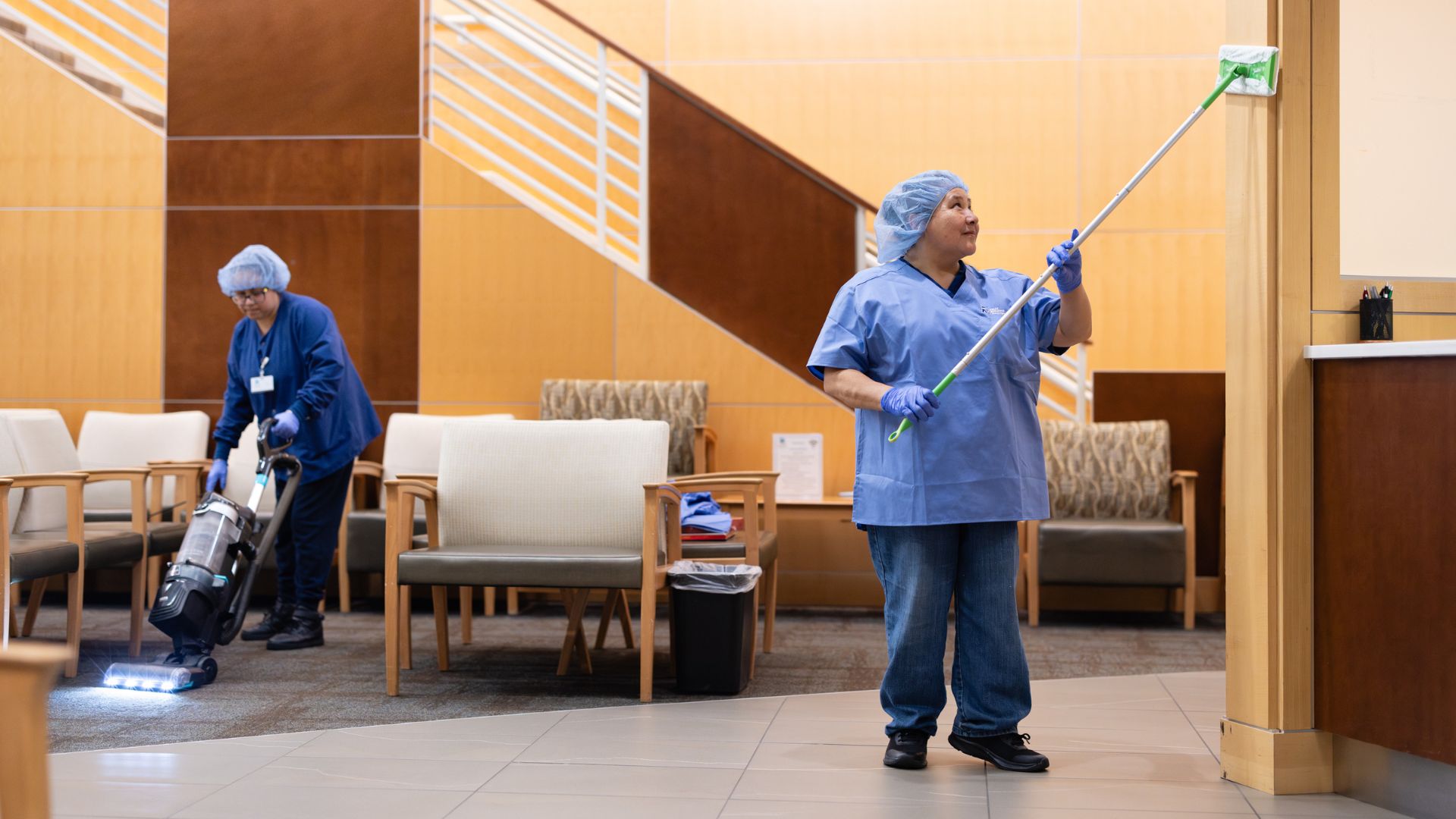
Learn what medical office cleaning costs in the Seattle area, what affects your quote, and how to compare proposals for dependable healthcare cleaning.
Read More
Learn how trained staff, clear protocols, fast response, and documented quality help Seattle healthcare facilities stay clean and ready. Schedule a site walk.
Read More
Looking for commercial cleaning services in Seattle? Learn how a dependable janitorial partner makes your life easier, from daily cleaning to QA and communication.
Read More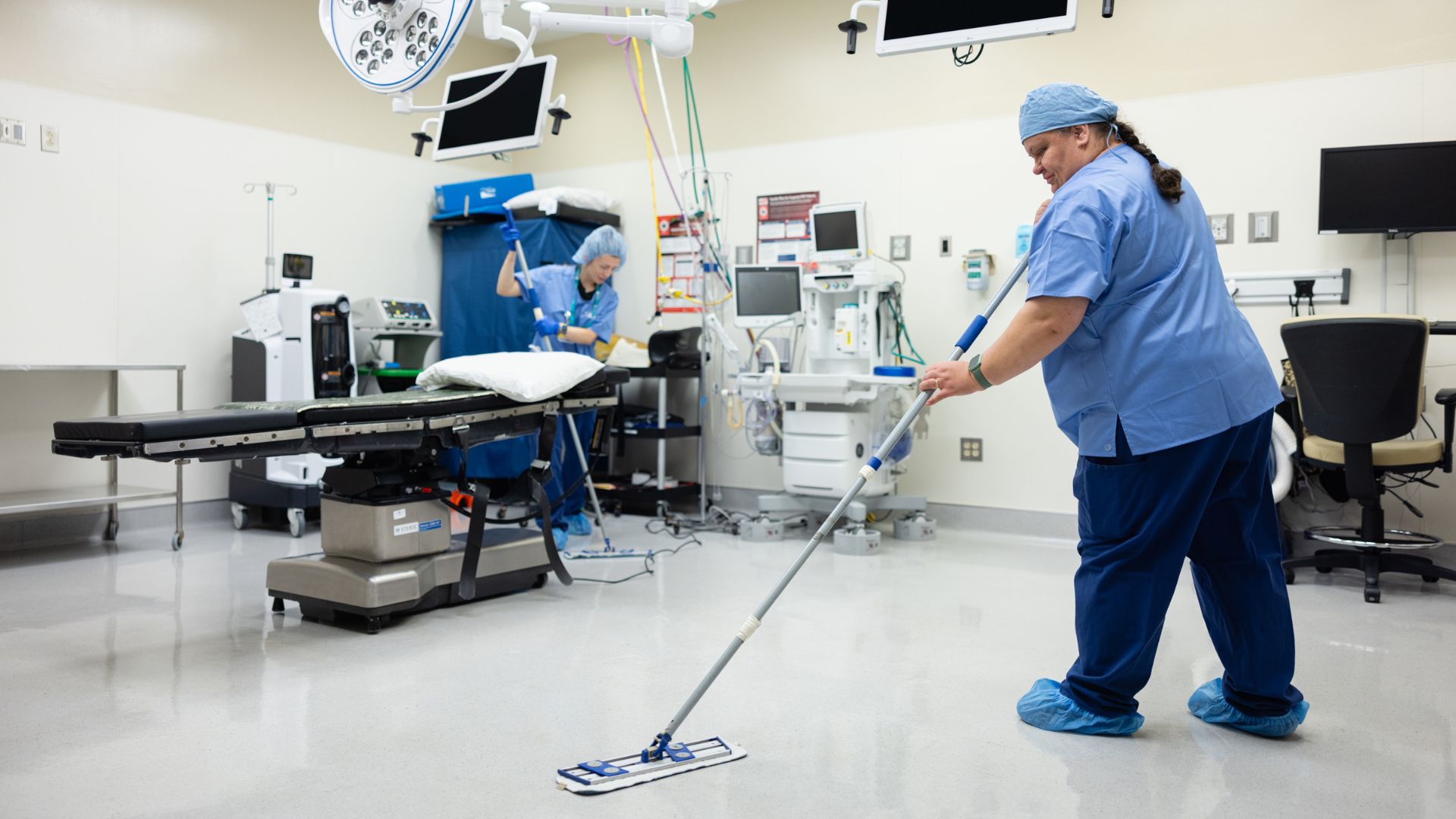
Learn what terminal cleaning means in healthcare, when it is needed, what it includes, and what to require from a medical cleaning vendor.
Read More
Learn what audit-ready healthcare cleaning documentation should include, from schedules and SOPs to training records, QA logs, and corrective actions.
Read More
Learn what HIPAA-compliant cleaning really means for medical offices and clinics, including vendor access rules, privacy safeguards, incident protocols, and what to require.
Read More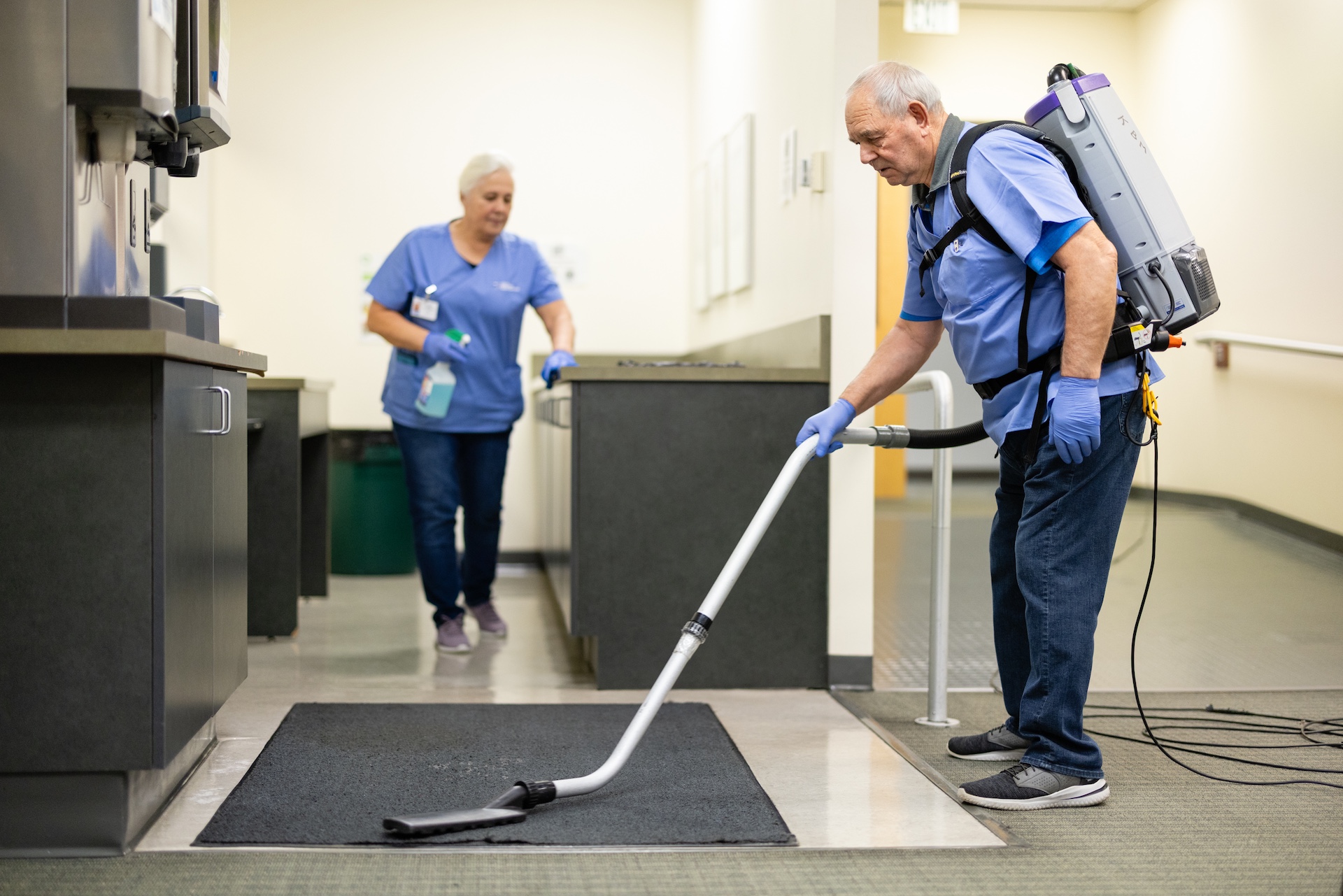
Hiring medical office cleaning services in Seattle? Use this checklist for scope, high-touch disinfection, turnover handoffs, logs, and QA. Request a site walk.
Read More
Best practices for clinic cleaning services: high-touch priorities, waiting rooms, restrooms, shared equipment boundaries, and checklists. Request a site walk.
Read More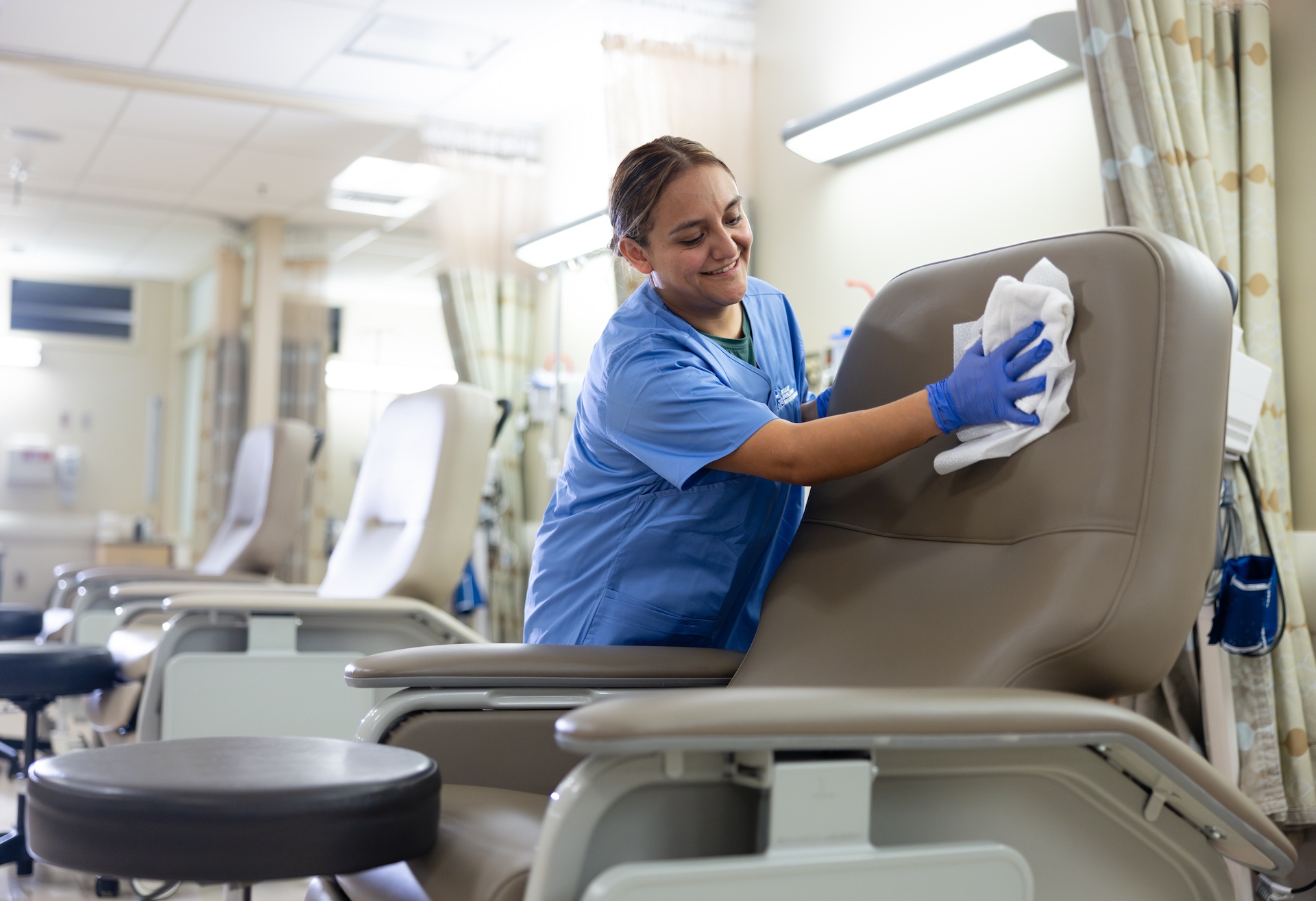
Hospital janitorial services explained: what EVS covers, what to outsource, scope boundaries, and inspection-ready documentation. Request a walkthrough.
Read MoreGet 100%
Dependable
Cleaning
Make the switch to a professional janitorial team that comes through for you every time. No more missed cleans or constant turnover. Schedule a site walk today and make cleaning stress a thing of the past.