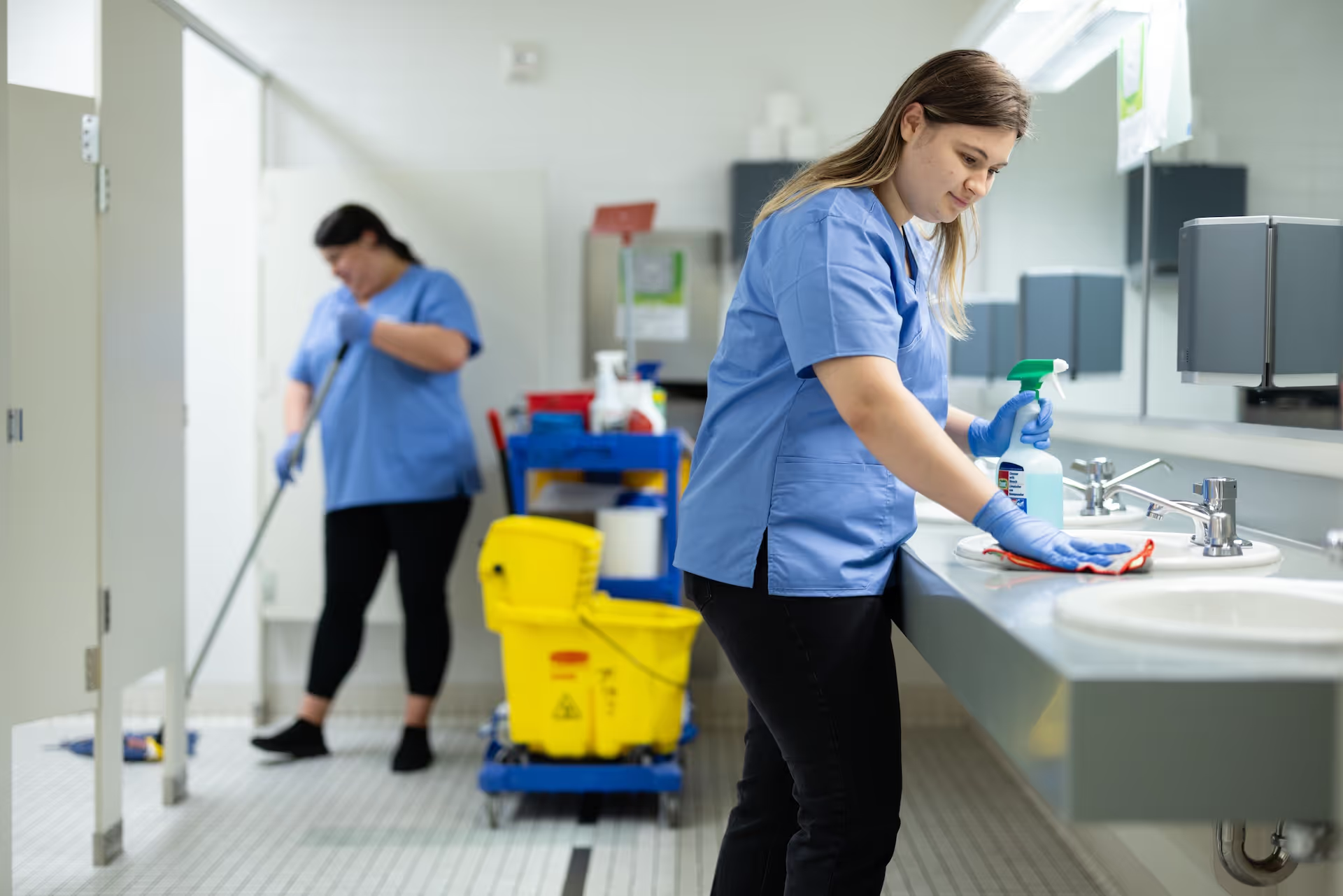
How Much Does Medical Office Cleaning Cost in Seattle? A 2026 Guide
Learn what medical office cleaning costs in the Seattle area, what affects your quote, and how to compare proposals for dependable healthcare cleaning.
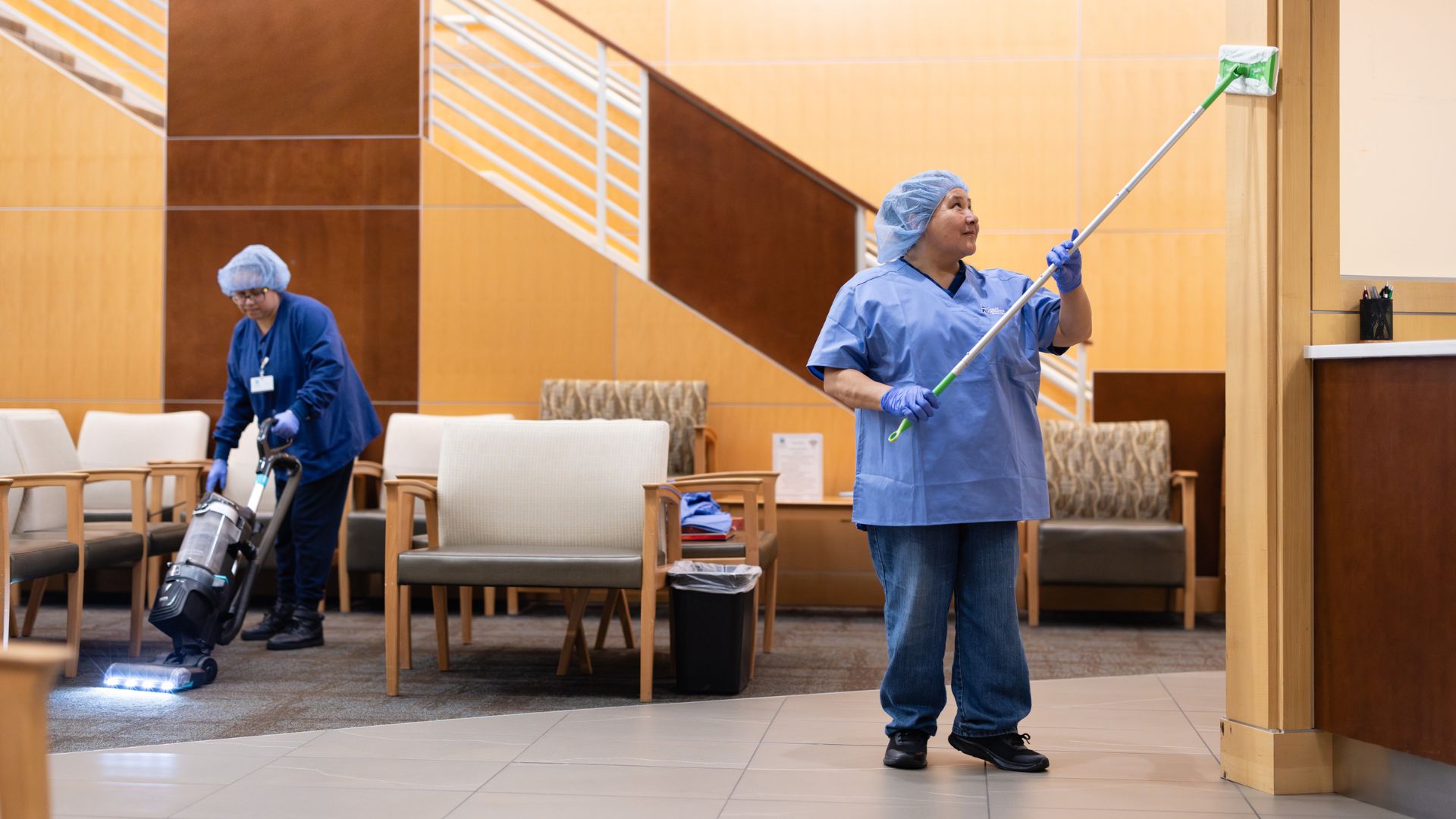
A cleaning quote can look reassuringly precise and still tell you almost nothing.
Twenty cents per square foot? $75 an hour? $4,000 a month?
But until you know some basic information like the rooms, tasks, frequency, staffing, products, and periodic services behind that number, you can’t tell whether it’s a strong value or a scope full of holes.
We’ve helped dozens of clients get cost-effective cleaning for their medical offices and facilities.
This guide gives Seattle-area medical facility leaders realistic planning ranges, then shows you what moves the price and how to compare proposals fairly.
The ranges are broad by design. They’re general planning figures to help you start budgeting.
For a specific quote, get in touch and we’ll tailor a proposal to your needs.
What does medical office cleaning cost in Seattle?
For early budgeting, a smaller Seattle-area medical office with 2,000 to 5,000 cleanable square feet and service three to five times per week might plan on roughly $1,500 to $5,000 per month.
A clinic with 5,000 to 15,000 cleanable square feet and five- to seven-day service might budget approximately $4,000 to $12,000 per month.
Larger or more complex outpatient facilities with daily clinical cleaning, extended hours, or day porter coverage may reach $10,000 to $25,000 per month or more.
For irregular work, Seattle-area planning rates of roughly $50 to $110 or more per labor hour are reasonable. Specialized projects, emergency response, weekends, terminal cleaning, and crews working under added access or scheduling constraints can cost more.
But let’s break that all down to help you plan for your facility.
How medical cleaning companies structure their prices
Most proposals use one or more of three pricing models:
Flat monthly price. This is common for recurring janitorial contracts. You pay a predictable amount based on an agreed scope and schedule. Confirm which periodic services and supplies are included.
Price per square foot. This can be a useful estimating tool for predictable spaces, but it shouldn’t replace a room-by-room workload. Ask whether the rate is per visit, per month, or per year and whether it uses total or cleanable square footage.
Hourly pricing. This is often used for day porters, first-time cleans, special projects, or changing scopes. Clarify whether the rate is per worker or per crew, the estimated hours, and any minimum charges.
For a recurring medical cleaning program, the best proposal usually begins with estimated labor and a defined scope. The pricing format is simply how that work gets presented.
Seven factors that determine your cleaning quote
1. Cleanable square footage and layout
An open administrative area can be cleaned faster than the same square footage divided into exam rooms, restrooms, medication areas, and staff spaces. Room count, flooring, entrances, stairs, elevators, and the distance between work areas all affect labor.
2. Room types and risk levels
Waiting rooms and offices don’t have the same cleaning requirements as exam rooms, procedure areas, pre-op spaces, or recovery rooms. A good scope assigns tasks, products, and frequencies by room type. KBM’s guide to what to require from a medical office cleaning service explains why those boundaries matter.
3. Patient volume and service frequency
More patients create more restroom use, trash, touchpoints, spills, and visible wear. The CDC recommends a risk-based approach: areas with a greater probability of contamination, more vulnerable patients, or more high-touch surfaces need more frequent and rigorous cleaning.
4. Nightly service, daytime coverage, and access
Extended operating hours, secure areas, parking, badges, alarms, weekends, and multiple locations can all change staffing. Day porters add daytime support for restrooms, entrances, spills, and other needs that can’t wait until the evening crew arrives.
5. Products and facility protocols
Disinfection takes more than wiping a surface. The EPA says contact time depends on the product label, and the surface must stay visibly wet for that full period. Facility-approved products, PPE, color-coded tools, and room-specific procedures can affect both workflow and cost.
6. Staffing, supervision, and backup coverage
A price has to support more than the worker you see. Dependable service also requires recruiting, training, supervision, quality checks, replacement coverage, equipment, insurance, and responsive management. A thinly staffed contract may look economical until an absence becomes your problem.
7. Documentation and periodic work
Checklists, inspection logs, corrective-action records, training documentation, and SDS management take time, but they create accountability. Carpet extraction, floor refinishing, high dusting, window cleaning, deep cleaning, and terminal cleaning may be built into an annual plan or priced separately.
What should a medical office cleaning quote include?
A useful proposal should make the work easy to understand. Look for:
- Every included and excluded area
- Tasks and frequencies by room type
- Number of visits per week and expected service windows
- Responsibilities for exam-room turnover and clinical equipment
- Products, equipment, and PPE
- Restroom supplies, liners, soap, and restocking responsibilities
- Floor and carpet care schedules
- Cleaning logs, inspections, and corrective-action procedures
- On-site supervision and backup coverage
- Procedures for spills, urgent requests, and scope changes
- Pricing for periodic and out-of-scope work
- Contract, renewal, change, and cancellation terms
For more detail, review KBM’s overview of healthcare cleaning standards and documentation.
How to compare medical cleaning proposals fairly
Start by giving every bidder the same room list, task list, and frequency expectations. Then compare what each price actually buys.
Separate recurring janitorial work from periodic floor care and special projects. Confirm whether products, equipment, consumables, day porter coverage, and documentation are included. Ask what “disinfection” means in practice and how responsibilities are divided between clinical staff and the cleaning team.
Then look beyond the task list. Who supervises the account? What happens when a cleaner is absent? How are problems reported, corrected, and closed out? How quickly can the company respond when the schedule changes?
A square-footage-only bid may miss what makes your facility difficult to clean. KBM’s guide to medical facility cleaning in Seattle explains what else to require.
How to get an accurate medical cleaning budget
Before requesting proposals, gather your approximate square footage, room counts, operating hours, patient volume, current scope, desired schedule, approved products, access requirements, documentation expectations, and recurring problem areas. If you manage several locations, identify where the scopes differ.
Then schedule a walkthrough. It gives a prospective partner the chance to see traffic patterns, flooring, restrooms, touchpoints, restricted areas, storage, and service gaps before estimating labor. That’s especially important for outpatient and specialty clinics, where needs can vary substantially from one room to the next.
Get a medical cleaning quote built around your facility
Kelly Building Maintenance provides healthcare cleaning services for hospitals, surgery centers, medical offices, and clinics across Seattle, Kitsap, and the South Sound. Our healthcare-trained, long-tenured teams provide consistent service, built-in backup coverage, responsive support, and audit-ready documentation.
Schedule a free site walk to review your facility, cleaning gaps, and service requirements. You’ll receive a custom plan and quote based on your space, schedule, and standards—not a generic online average.
Frequently asked questions
How much does medical office cleaning cost per square foot?
Public 2026 guides commonly place medical and healthcare cleaning around $0.12 to $0.30 per square foot. But that figure may describe one visit or an entire month. Ask the provider to state the billing period, service frequency, and cleanable square footage before using it as a benchmark.
Why does medical office cleaning cost more than standard office cleaning?
Medical spaces often have more segmented rooms, high-touch surfaces, facility-approved procedures, disinfection steps, documentation, and frequent service. Those requirements increase labor and supervision compared with routine office cleaning.
Do I need a site walk to get a medical cleaning quote?
You may receive a rough estimate without one, but a walkthrough is the best way to build an accurate scope. It lets the provider account for layout, room use, flooring, access, traffic, and current service gaps.
Are cleaning products and restroom supplies included in the price?
Sometimes, but not always. A proposal should state who provides cleaning chemicals, equipment, liners, paper products, soap, and other consumables. It should also identify any products or periodic services billed separately.
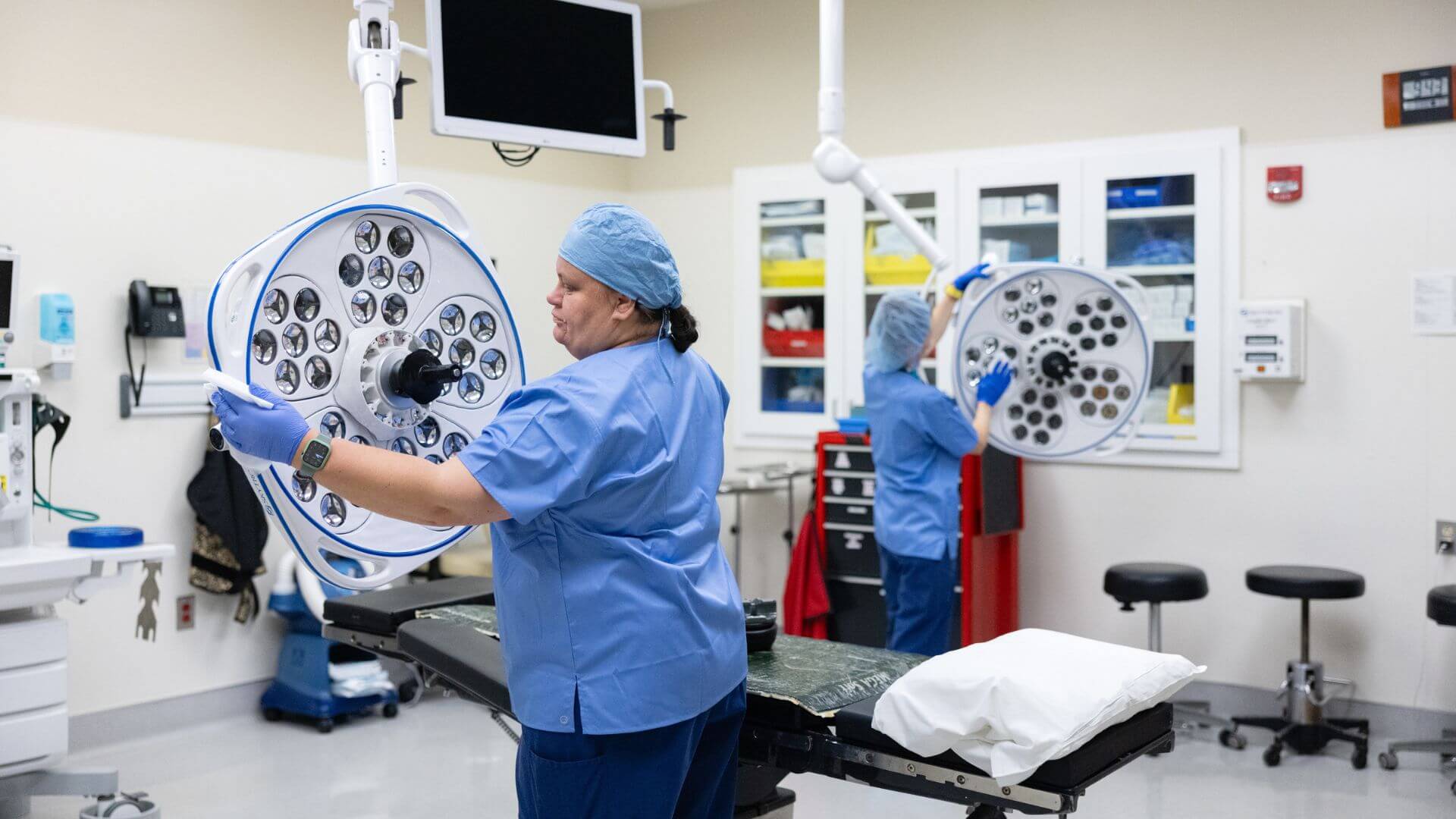
Learn what ambulatory surgery center cleaning should include, how to define responsibilities, and what to require for reliable, audit-ready service.
Read MoreLearn what medical office cleaning costs in the Seattle area, what affects your quote, and how to compare proposals for dependable healthcare cleaning.
Read More
Learn how trained staff, clear protocols, fast response, and documented quality help Seattle healthcare facilities stay clean and ready. Schedule a site walk.
Read More
Looking for commercial cleaning services in Seattle? Learn how a dependable janitorial partner makes your life easier, from daily cleaning to QA and communication.
Read More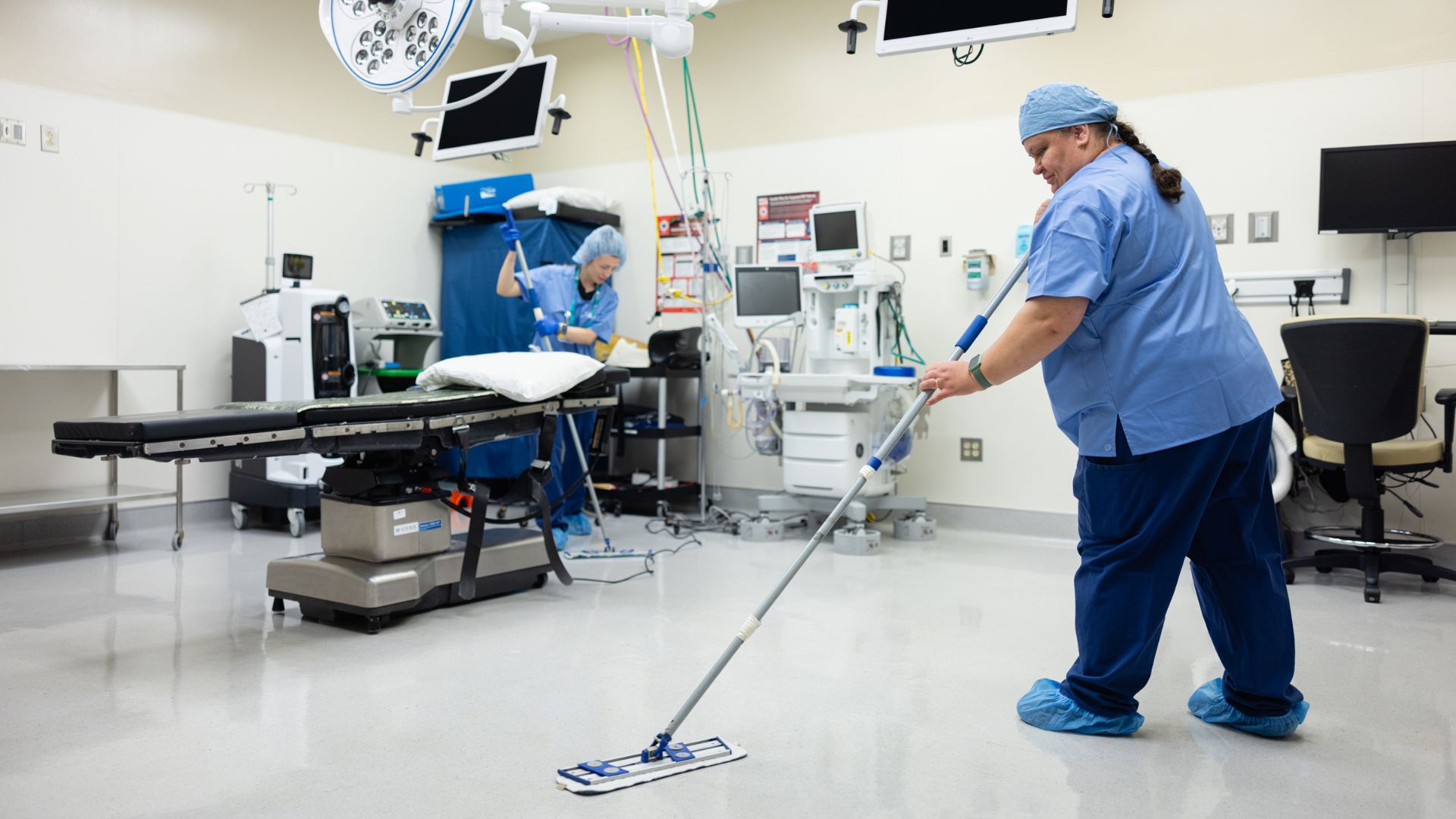
Learn what terminal cleaning means in healthcare, when it is needed, what it includes, and what to require from a medical cleaning vendor.
Read More
Learn what audit-ready healthcare cleaning documentation should include, from schedules and SOPs to training records, QA logs, and corrective actions.
Read More
Learn what HIPAA-compliant cleaning really means for medical offices and clinics, including vendor access rules, privacy safeguards, incident protocols, and what to require.
Read More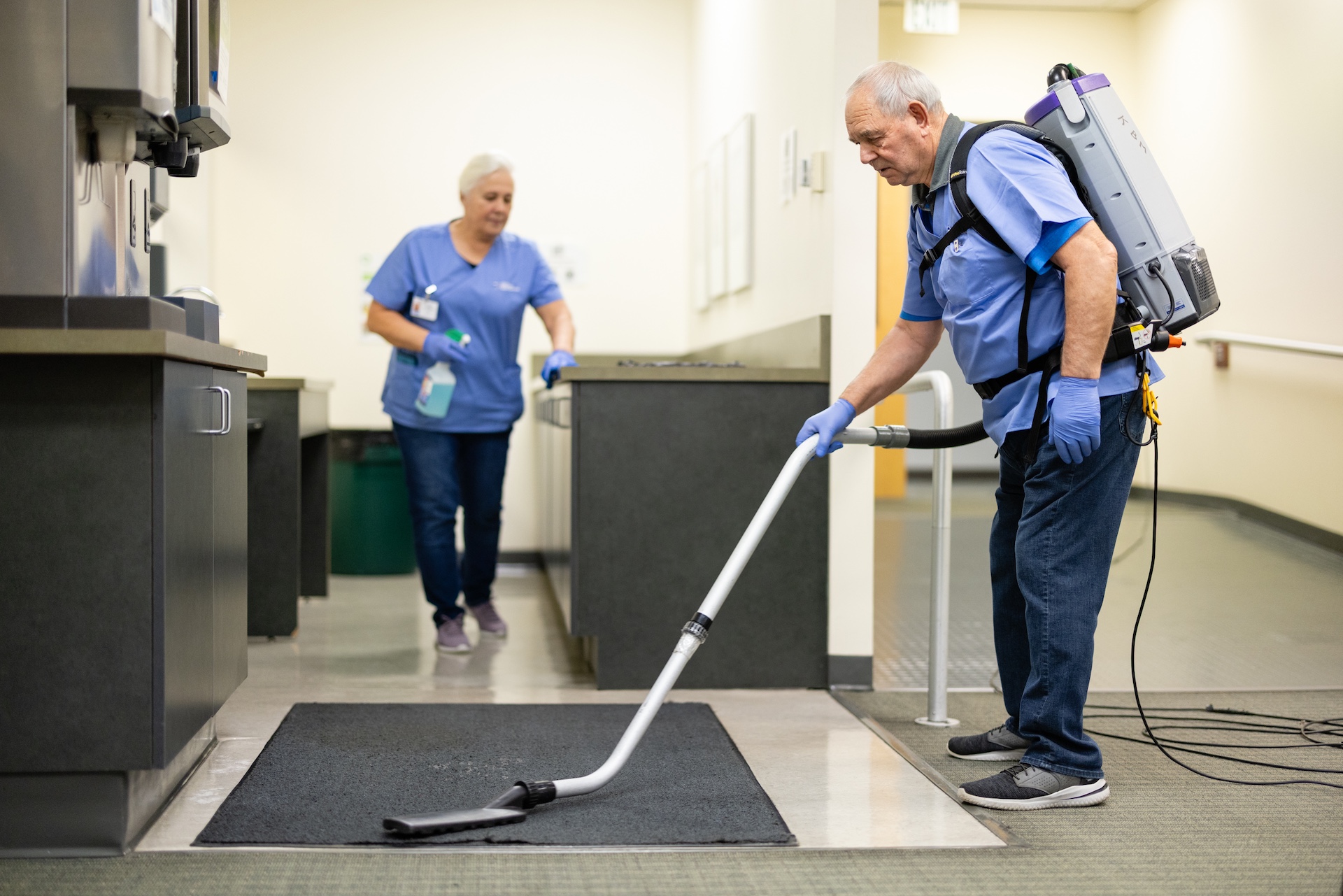
Hiring medical office cleaning services in Seattle? Use this checklist for scope, high-touch disinfection, turnover handoffs, logs, and QA. Request a site walk.
Read More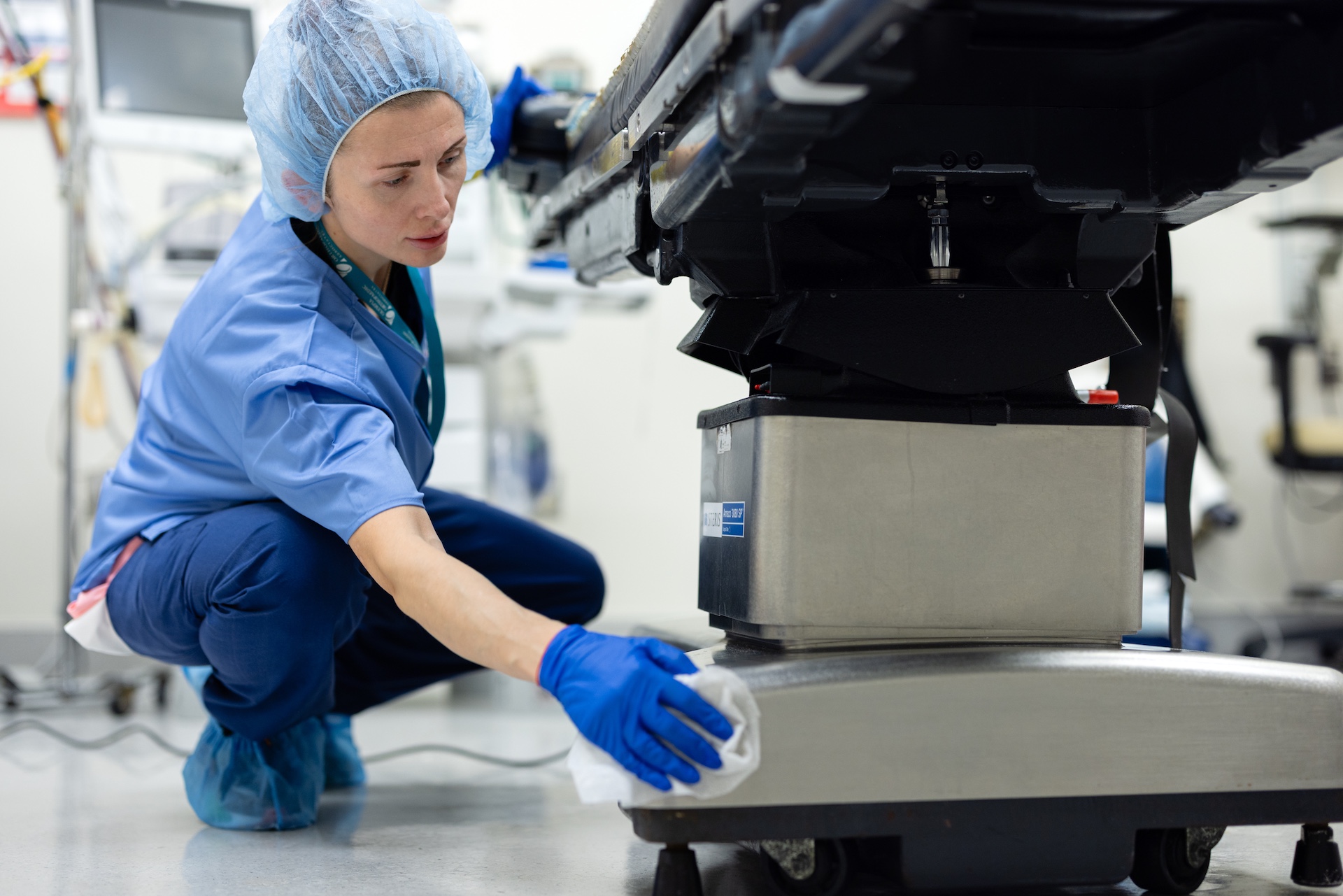
Best practices for clinic cleaning services: high-touch priorities, waiting rooms, restrooms, shared equipment boundaries, and checklists. Request a site walk.
Read More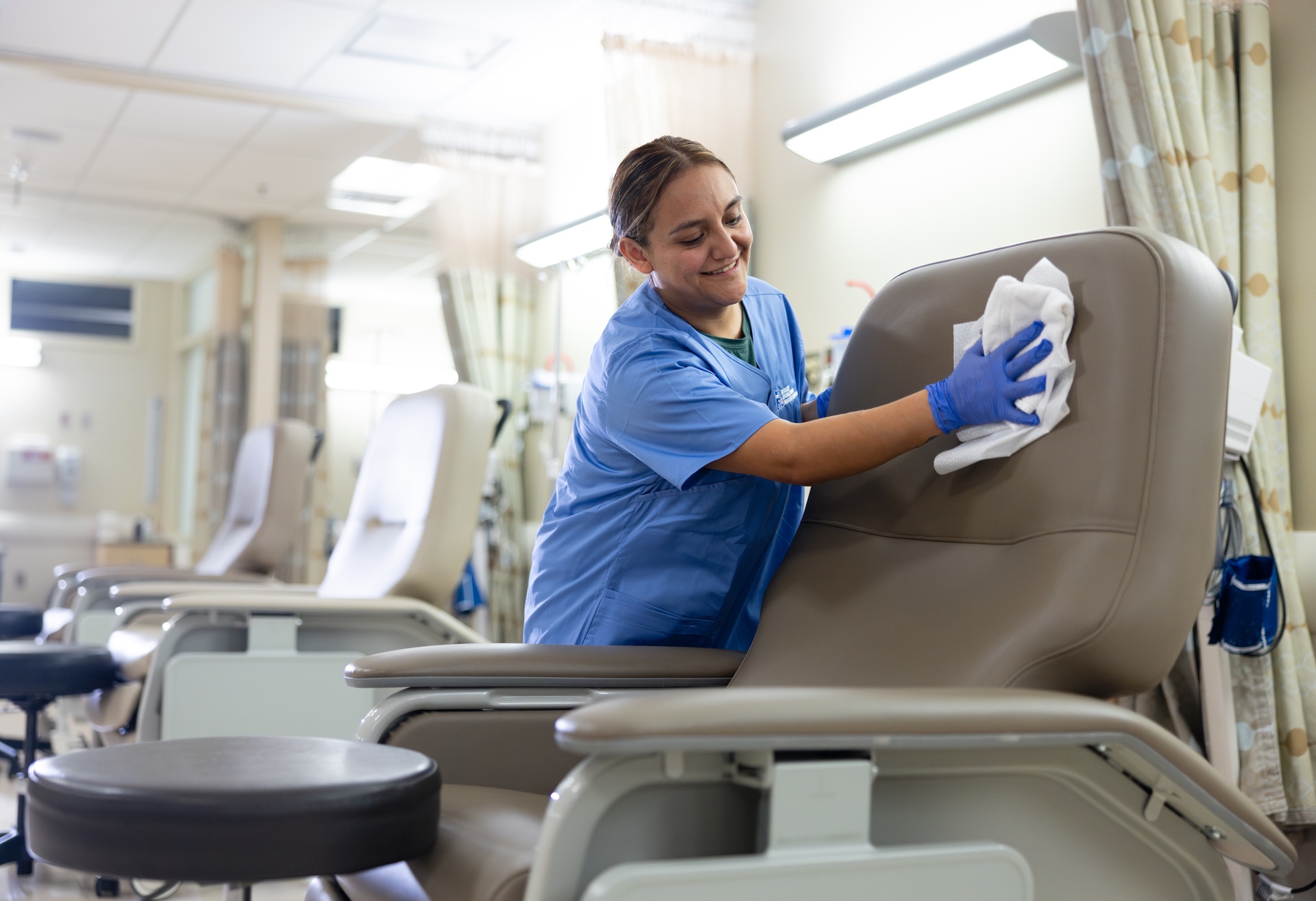
Hospital janitorial services explained: what EVS covers, what to outsource, scope boundaries, and inspection-ready documentation. Request a walkthrough.
Read MoreGet 100%
Dependable
Cleaning
Make the switch to a professional janitorial team that comes through for you every time. No more missed cleans or constant turnover. Schedule a site walk today and make cleaning stress a thing of the past.